How Raw Material Variations Affect PVC Production Repeatability
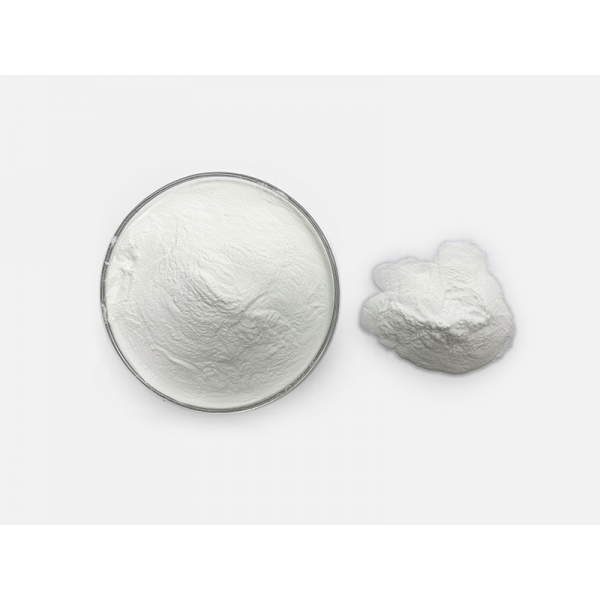
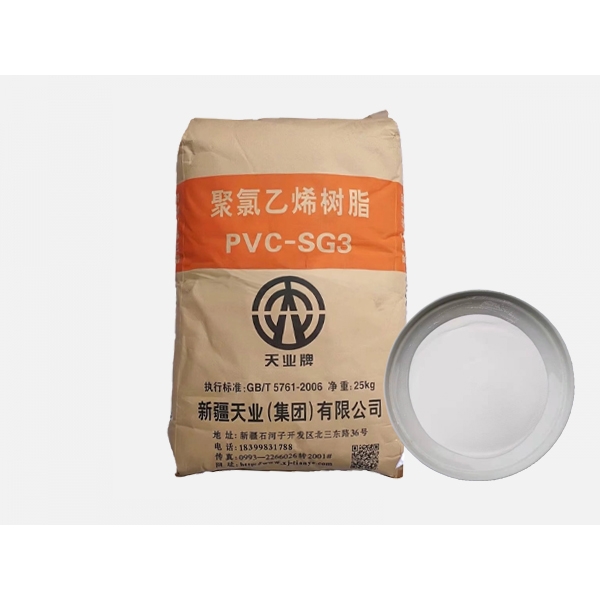
PVC production repeatability is essential for manufacturers who need to deliver products with consistent dimensions, appearance, mechanical properties, and processing performance. However, maintaining the same formulation does not always guarantee identical results from one production batch to another. Variations in raw material characteristics can influence how PVC compounds behave during mixing, extrusion, injection molding, and calendaring. Understanding these differences helps manufacturers identify the causes of inconsistent output and maintain more stable production. PVC resin is one of the most important factors affecting production repeatability. Differences in K-value, particle size distribution, porosity, and bulk density can influence resin absorption, fusion behavior, and processing characteristics. Even when two resin grades appear similar on paper, they may respond differently under the same processing conditions. These differences can affect material flow, fusion time, and the consistency of the finished product. Selecting a suitable resin grade and maintaining consistent incoming material specifications can help reduce these variations.
Additives can also introduce changes into an otherwise stable formulation. Heat stabilizers, lubricants, plasticizers, pigments, and other functional ingredients each contribute to the performance of PVC compounds. Variations in additive composition, concentration, particle size, or physical properties may influence their distribution and interaction with the resin. As a result, manufacturers may experience changes in processing behavior or final product characteristics, even when the nominal formulation remains unchanged. Plasticizers are particularly important in flexible PVC production. Differences in plasticizer quality, compatibility, or viscosity can affect the softness, flexibility, and dimensional stability of finished products. If plasticizer absorption varies between batches, the compound may also behave differently during subsequent processing. Manufacturers producing flexible sheets, cables, seals, or other flexible components should therefore pay close attention to plasticizer specifications and mixing conditions.
Heat stabilizers can influence repeatability by affecting the material's resistance to thermal degradation during processing. Different stabilizer grades may have different activation characteristics, compatibility, and processing requirements. If a stabilizer is changed without reviewing the complete formulation, manufacturers may notice variations in color, fusion behavior, or mechanical performance. Maintaining a consistent stabilizer system and verifying its suitability for the selected PVC resin can help reduce these risks. Pigments and fillers are another potential source of batch-to-batch variation. Differences in pigment strength, particle size, surface treatment, or dispersion characteristics can lead to inconsistent color and appearance. Fillers may also affect stiffness, impact resistance, surface smoothness, and processing behavior. When manufacturers replace one supplier or material grade with another, these differences can influence the final compound even if the same weight percentage is used.
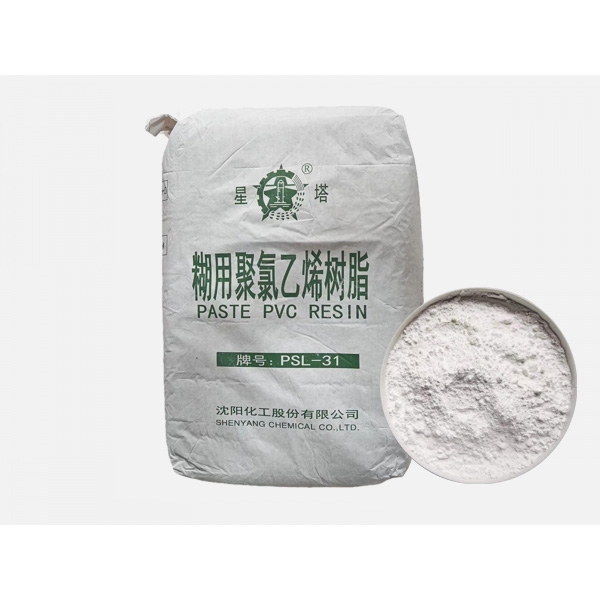
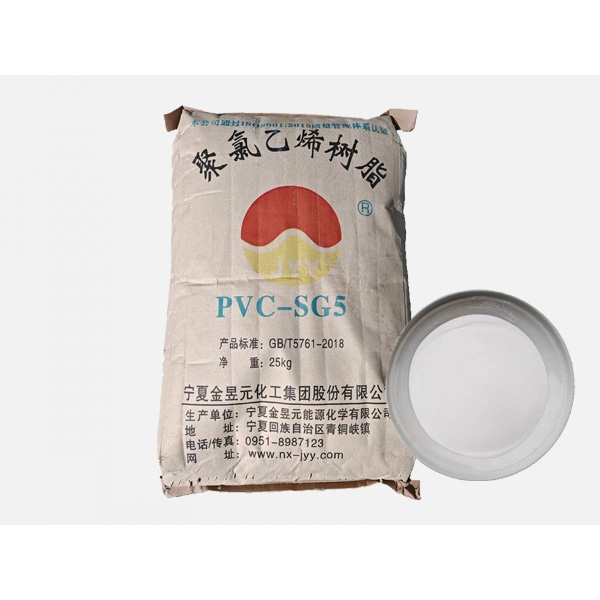
Moisture content and storage conditions should not be overlooked. Although PVC resin and many additives are relatively stable under suitable conditions, improper storage can affect certain materials through moisture exposure, contamination, agglomeration, or changes in handling characteristics. Materials stored in unsuitable environments may also become more difficult to feed or disperse consistently. Clear storage procedures, sealed packaging, and appropriate inventory management help protect raw-material quality before production begins. Raw material variations can become more noticeable when several ingredients interact. For example, a small change in resin absorption characteristics may affect how a plasticizer is incorporated into the dry blend. A difference in filler surface properties may alter lubricant requirements, while a change in pigment dispersion may affect the appearance of the finished product. This is why manufacturers should evaluate PVC formulations as complete systems rather than assessing each ingredient in isolation.
Incoming quality inspection provides an important first line of control. Manufacturers can establish specifications for relevant raw-material characteristics and verify supplier documentation before materials enter production. Depending on the ingredient, checks may include appearance, moisture content, particle size, bulk density, viscosity, or other material-specific properties. Periodic testing and retained samples can also help identify gradual changes between deliveries and provide useful evidence when investigating production problems. Production records are equally valuable for improving repeatability. Recording raw-material batch numbers, formulation ratios, mixing temperatures, processing speeds, fusion conditions, and finished-product test results makes it easier to trace unexpected changes. When a problem occurs, manufacturers can compare affected batches with previously successful runs and determine whether the cause is related to raw materials, equipment, or processing conditions. This approach reduces reliance on guesswork and supports more controlled formulation adjustments.
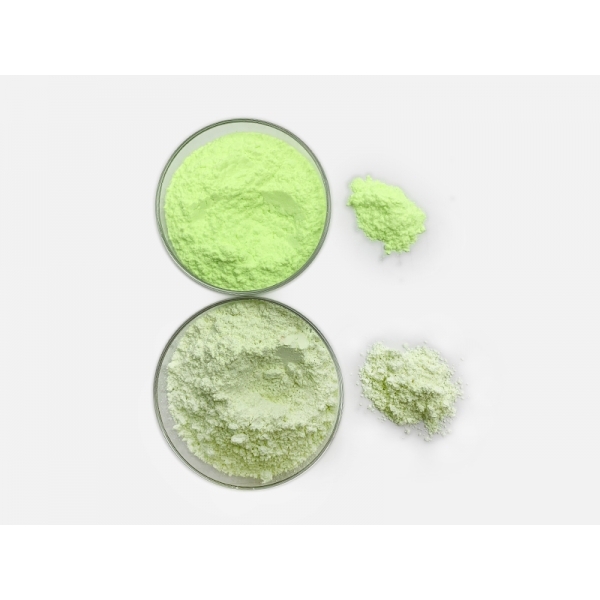
At Jiangsu Pangrui New Materials Co., Ltd., PVC formulation development involves materials such as PVC resin powder, heat stabilizers, plasticizers, pigments, optical brighteners, and lubricant microsphere foaming agents. The company also provides formulation support and samples to help customers evaluate materials for their manufacturing requirements. When a raw material changes, reviewing its compatibility with the existing formulation can help manufacturers determine whether processing adjustments or additional testing are necessary before full-scale production. Ultimately, production repeatability depends on controlling both the quality of raw materials and the conditions under which they are processed. Consistent supplier specifications, suitable storage, incoming inspection, accurate batching, and detailed production records all contribute to more reliable PVC manufacturing. By identifying material variations early and evaluating their effects on the complete formulation, manufacturers can reduce unexpected defects, improve production stability, and maintain more consistent product quality over time.