How Additive Dispersion Influences PVC Product Quality
Additive dispersion is a critical factor in determining the quality, consistency, and performance of PVC products. During PVC processing, ingredients such as heat stabilizers, plasticizers, lubricants, pigments, fillers, and other functional additives must be distributed appropriately throughout the resin. Even when a formulation contains the correct ingredients in the correct proportions, poor dispersion can prevent the compound from achieving its expected properties. For manufacturers, understanding additive dispersion is essential to producing reliable PVC materials and maintaining stable production. PVC formulations often contain several additives, each serving a specific purpose. Heat stabilizers help protect the material during processing, plasticizers control flexibility, lubricants support processing efficiency, and pigments provide the required color. Fillers may be added to adjust stiffness, dimensional stability, or cost. These components must work together within the PVC matrix. If one ingredient is concentrated in certain areas while missing from others, the finished product may show inconsistent mechanical properties, color variations, or surface defects.
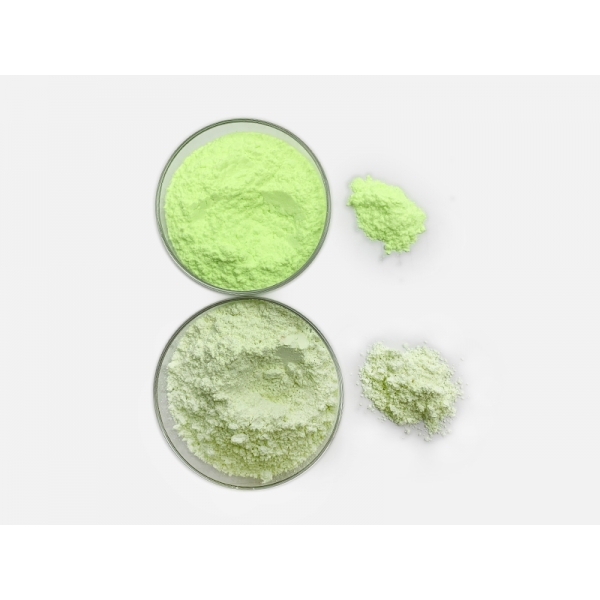
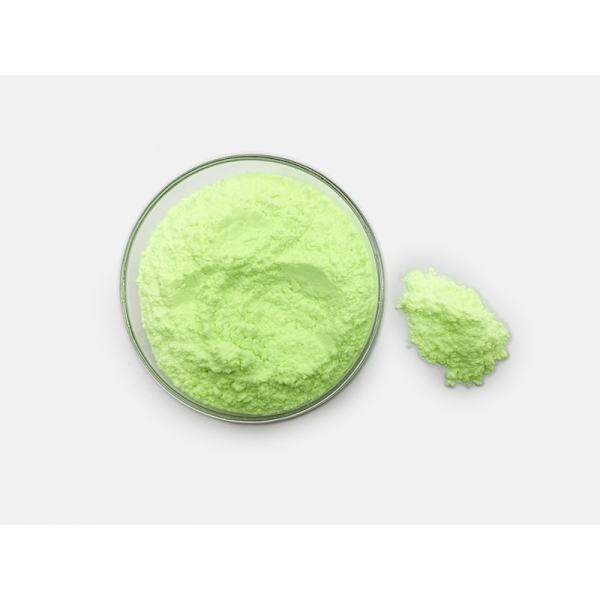
One of the most visible effects of poor dispersion is uneven product appearance. Pigments and optical brighteners need to be distributed consistently to achieve uniform color and whiteness. When these additives form agglomerates or remain concentrated in particular regions, manufacturers may encounter color streaks, specks, dull areas, or differences in brightness. Such defects can be especially problematic for decorative profiles, colored sheets, packaging components, and products with strict appearance requirements. Additive dispersion also influences the mechanical properties of PVC products. When fillers or reinforcing ingredients are distributed unevenly, localized weak points may develop within the material. These areas can reduce consistency in impact resistance, tensile strength, and durability. In products exposed to repeated stress or friction, uneven material structure may contribute to premature damage. Proper dispersion helps create a more uniform compound, allowing the finished product to perform more predictably during use.
Thermal stability is another important consideration. Heat stabilizers must be incorporated effectively to help protect PVC against degradation during processing. If the stabilizer system is poorly distributed, some areas of the compound may receive insufficient protection. This can contribute to discoloration, changes in mechanical properties, or processing instability. Selecting an appropriate stabilizer is important, but achieving consistent distribution is equally necessary for reliable results. In flexible PVC formulations, additive dispersion affects how consistently plasticizers are incorporated into the resin. Uneven mixing can lead to variations in softness, flexibility, and processing behavior. Some portions of a batch may become more flexible than others, making it difficult to maintain uniform product dimensions and performance. Proper mixing and absorption help produce a more consistent compound before it enters extrusion, calendaring, or other manufacturing processes.
The selection of lubricants and their distribution can also influence PVC fusion and flow behavior. Lubricants help manage friction between the compound and processing equipment, as well as interactions among material components. If the lubricant system is poorly balanced or unevenly distributed, manufacturers may experience inconsistent fusion, surface irregularities, material buildup, or unstable processing. The objective is to achieve a suitable balance between internal and external lubrication while maintaining the processing characteristics required by the application. The mixing process plays a central role in achieving good dispersion. Factors such as mixing sequence, temperature, mixing time, rotational speed, and the characteristics of the equipment can affect how additives interact with PVC resin. Some ingredients need to be introduced at specific stages to support absorption and distribution. For example, certain stabilizers, pigments, and lubricants may require different mixing conditions to achieve consistent results. Following a controlled mixing procedure helps reduce batch-to-batch variation.
Raw-material characteristics should also be considered. Differences in particle size, particle shape, moisture content, and surface properties can influence how easily additives disperse. Fine powders may offer advantages in some formulations, but they can also agglomerate if mixing conditions are unsuitable. Likewise, additives with poor compatibility with other ingredients may be difficult to distribute uniformly. Manufacturers should evaluate both the individual material properties and the interactions among components when developing a formulation. Quality testing provides a practical way to evaluate dispersion performance. Depending on the product, manufacturers can inspect color uniformity, surface finish, mechanical properties, fusion behavior, and other relevant characteristics. Microscopic examination or specialized dispersion testing may be useful when visual inspection alone cannot identify the cause of a defect. Comparing trial batches under controlled conditions can help determine whether changes in raw materials, mixing sequence, or processing parameters improve the final result.
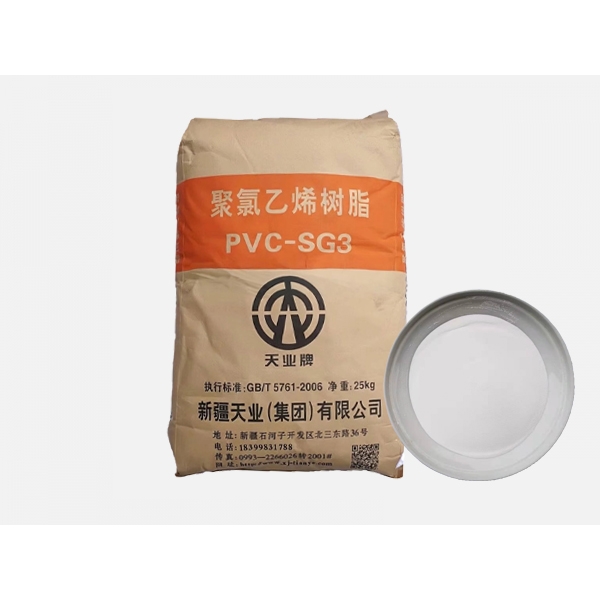
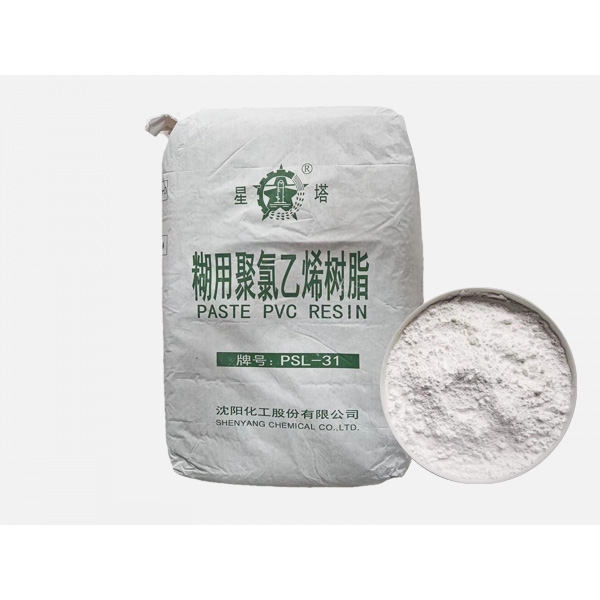
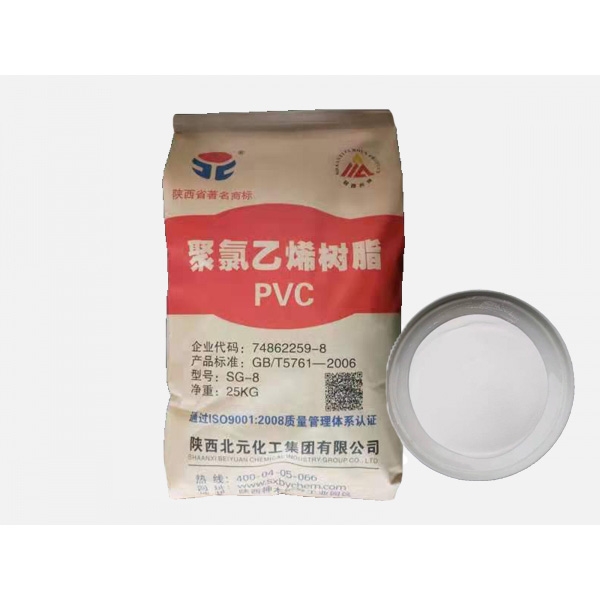
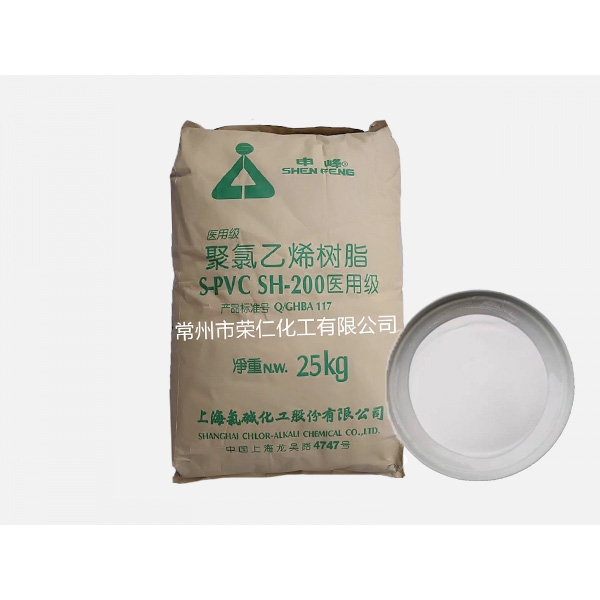
At Jiangsu Pangrui New Materials Co., Ltd., PVC formulation development involves materials such as PVC resin powder, heat stabilizers, plasticizers, pigments, optical brighteners, and lubricant microsphere foaming agents. The company also provides PVC formula ratios, samples, and technical support to help customers evaluate materials for their production requirements. Considering additive compatibility and dispersion alongside material selection can help manufacturers develop formulations that are better suited to their equipment, processing methods, and product specifications. Ultimately, additive dispersion is not simply a mixing issue; it is an important part of PVC compound design and quality control. A well-balanced formulation must be supported by suitable raw materials, controlled mixing conditions, and consistent processing practices. By paying attention to how each additive is distributed and how the ingredients interact, manufacturers can reduce common defects, improve product uniformity, and achieve more dependable PVC performance across different applications.