How to Select PVC Resin for Different Manufacturing Methods
Selecting the right PVC resin is one of the first decisions manufacturers need to make when developing a reliable PVC product. Although different PVC resins may appear similar, their molecular characteristics, particle structure, processing behavior, and K-value can produce very different results during manufacturing. A resin that performs well in rigid pipe extrusion, for example, may not be the most suitable choice for flexible products, calendaring, injection molding, or foam processing. Choosing resin according to the manufacturing method helps create a more stable formulation and reduces processing problems later. For extrusion applications, PVC resin should be selected according to the required melt behavior, product thickness, production speed, and final mechanical properties. Rigid profiles, pipes, sheets, and other extruded products generally require resin that can provide consistent fusion and adequate strength during continuous processing. Resin particle characteristics also affect how efficiently additives are absorbed and dispersed during dry blending. A well-matched resin allows the compound to fuse uniformly and pass through the extrusion process with fewer fluctuations.
Injection molding requires a somewhat different approach. PVC compounds used for injection molding need to flow into molds efficiently while maintaining the required dimensional stability and surface quality. Resin selection should therefore consider processing temperature, fusion characteristics, melt viscosity, and the complexity of the molded component. For manufacturers producing relatively intricate parts, choosing a resin with suitable processing behavior can help reduce issues such as incomplete filling, surface defects, and inconsistent dimensions. Calendaring is another manufacturing method where resin selection has a major influence on production stability. During calendaring, PVC compound passes through heated rolls to form films, sheets, flooring materials, or other continuous products. The resin must provide suitable fusion characteristics and processability while supporting a uniform surface. If the resin is poorly matched to the formulation or equipment, manufacturers may experience difficulties with fusion, thickness control, surface appearance, or sheet release.
Flexible PVC products introduce another layer of consideration because resin must work effectively with plasticizers and other additives. Flexible films, cables, synthetic leather, seals, and similar products depend on a controlled balance between flexibility, strength, and processing performance. The selected PVC resin needs to absorb and interact with plasticizers effectively. Resin characteristics can influence how evenly the plasticizer is incorporated, which ultimately affects the consistency of the finished flexible product. Foam processing also requires careful resin selection. PVC foam products depend on controlled expansion, cell structure, density, and mechanical strength. The resin must work with the selected foaming system and stabilizer package to produce a consistent structure throughout the material. When microsphere foaming agents or other lightweighting technologies are used, resin characteristics become part of the overall formulation strategy. Manufacturers should evaluate not only the resin itself but also how it behaves with the complete additive package.
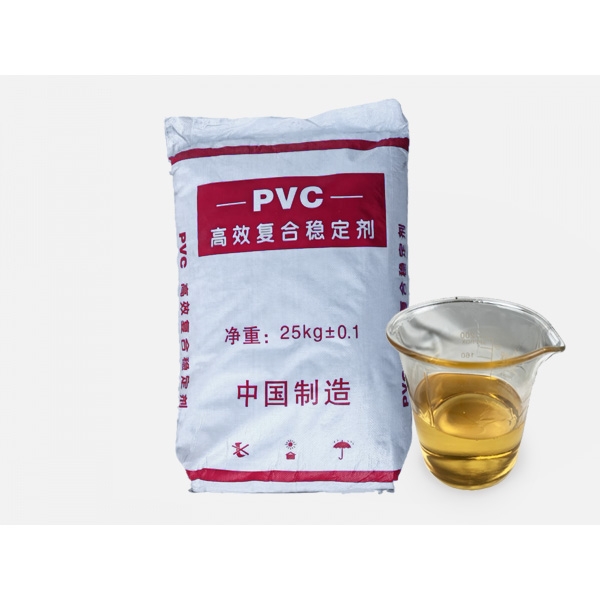
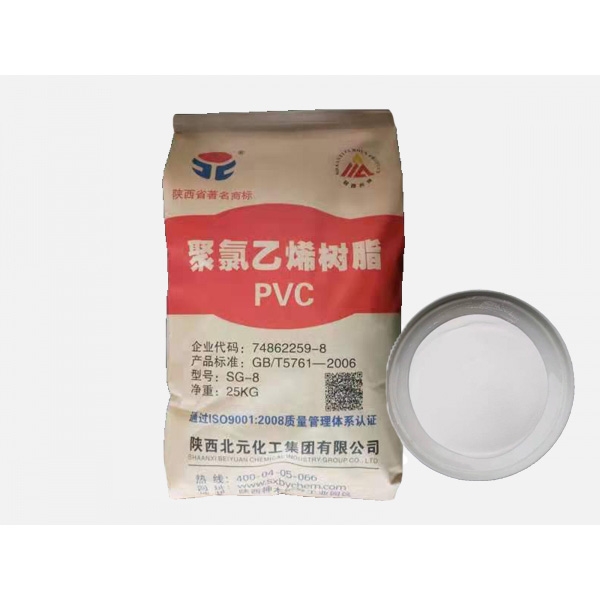
K-value is another important consideration when selecting PVC resin for a specific manufacturing method. It provides an indication related to the molecular weight of PVC and can influence melt viscosity, mechanical properties, and processing behavior. Different applications may require different K-value ranges depending on the desired balance between processability and final performance. Rather than choosing resin based on K-value alone, manufacturers should consider it together with equipment conditions, formulation requirements, and the properties expected from the finished product. Particle size and porosity should also be considered, particularly when the formulation contains multiple additives. Resin with suitable particle characteristics can support more effective absorption of plasticizers, stabilizers, lubricants, pigments, and other formulation components. Better additive absorption and distribution can contribute to more consistent dry blends and reduce variations during subsequent processing. This becomes particularly important when production requires tight control over appearance, flexibility, density, or mechanical performance.
The manufacturing method should also be considered alongside the final product requirements. Two products may both be manufactured from PVC but have completely different resin requirements because one must remain rigid while the other needs high flexibility. Similarly, a transparent product may require different formulation considerations from an opaque industrial component. Manufacturers should define hardness, flexibility, impact resistance, surface appearance, electrical properties, thermal stability, and other key requirements before selecting the resin. Cost should not be the only factor in resin selection. A lower-cost resin may appear attractive initially, but poor processability can increase material waste, machine downtime, rejected products, and formulation adjustments. A resin that is properly matched to the manufacturing process can provide more predictable production and make it easier to maintain consistent product quality. This is especially important for manufacturers operating continuous production lines where small variations can become significant over large production volumes.
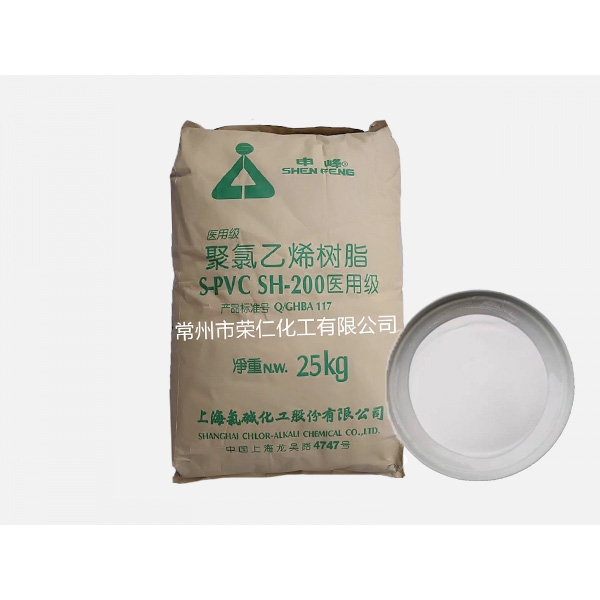
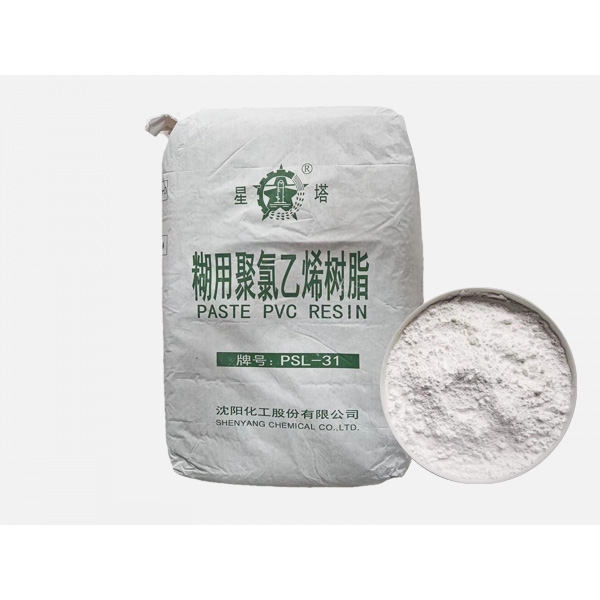
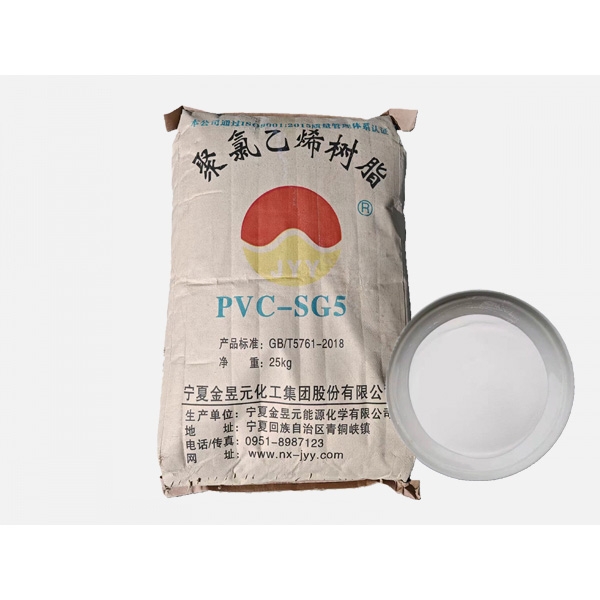
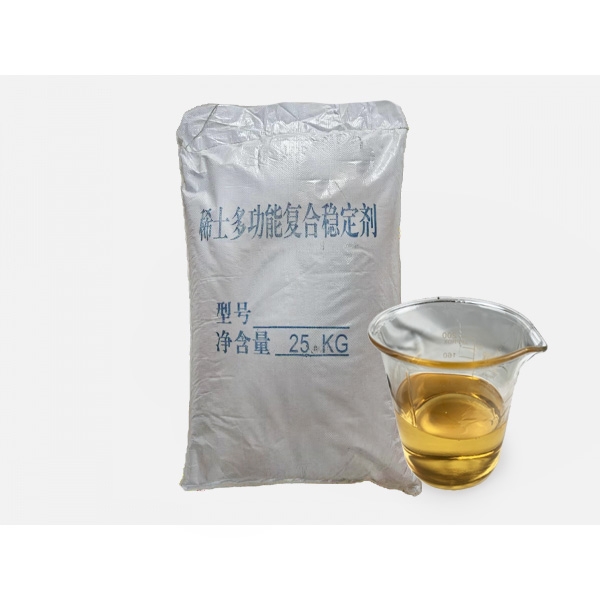
At Jiangsu Pangrui New Materials Co., Ltd., PVC resin selection can be considered together with the wider formulation requirements of each application. The company provides PVC resin powder along with heat stabilizers, lubricant microsphere foaming agents, optical brighteners, pigments, plasticizers, and related technical support. By considering the interaction between resin and additives rather than treating each material separately, manufacturers can develop formulations that are better suited to extrusion, injection molding, calendaring, flexible PVC production, and other processing methods. Ultimately, selecting PVC resin is not simply a matter of choosing a general-purpose raw material. The best starting point is to understand the manufacturing equipment, processing conditions, formulation system, and performance requirements of the finished product. Evaluating resin characteristics such as K-value, particle structure, additive absorption, fusion behavior, and processing stability can help manufacturers make a more informed selection. When these factors are considered together, PVC resin becomes a foundation for achieving smoother processing, consistent quality, and more reliable production.