Designing PVC Compounds for Improved Abrasion Resistance
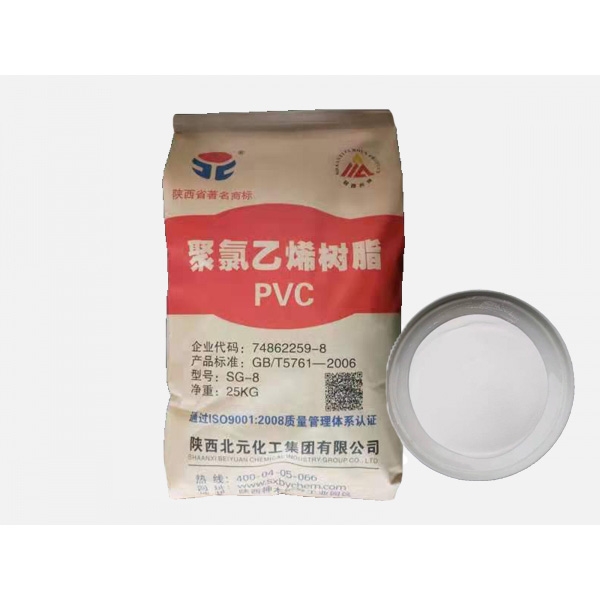
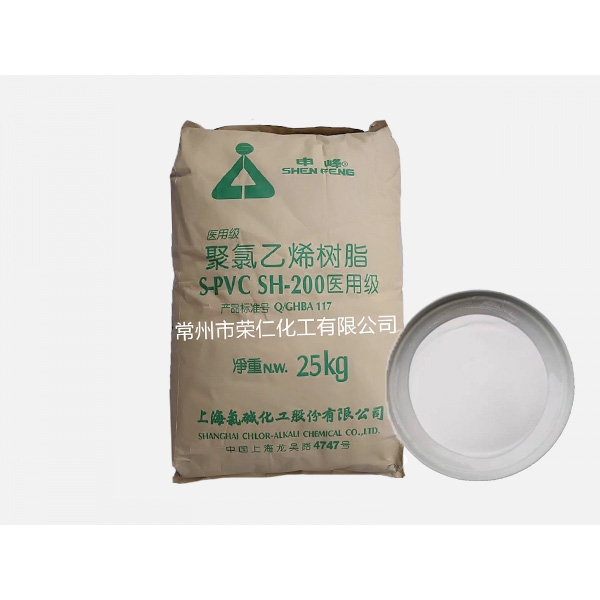
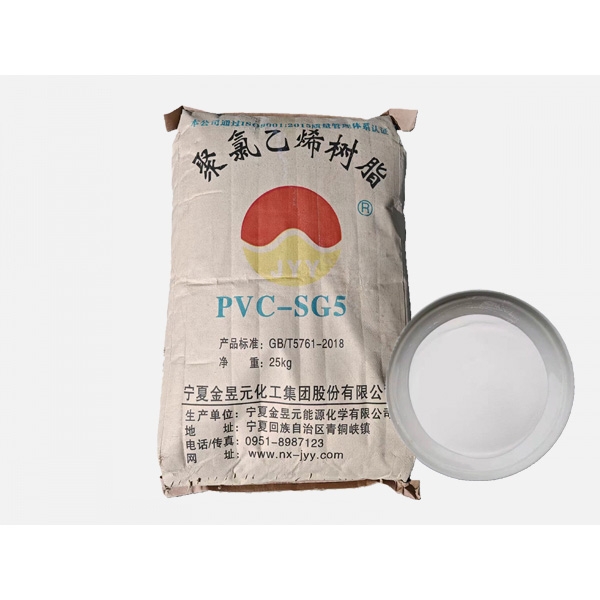
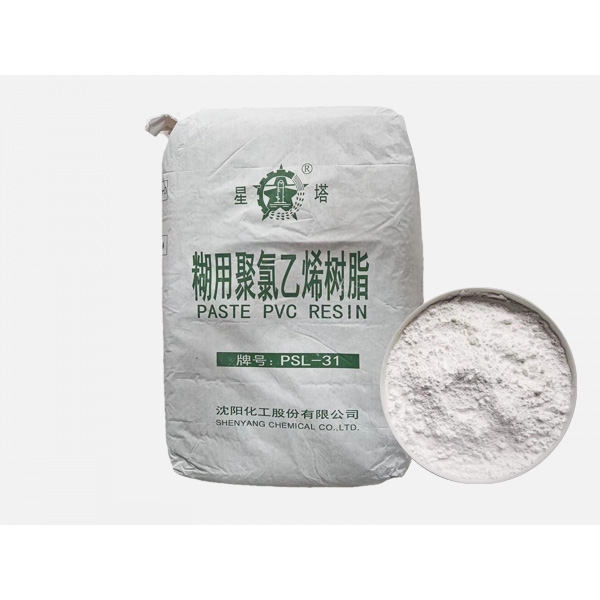
Designing PVC compounds for improved abrasion resistance requires more than simply selecting a harder material. PVC products used in flooring, conveyor components, protective surfaces, industrial sheets, profiles, and other demanding applications may experience repeated friction, sliding contact, impact, or contact with abrasive materials. A well-designed compound must therefore balance surface durability with flexibility, toughness, processability, and the performance requirements of the final product. One of the first considerations is the selection of PVC resin. Resin characteristics can influence fusion behavior, molecular structure, mechanical strength, and the consistency of the finished compound. A resin that is properly matched to the processing method can create a more uniform PVC matrix, helping other formulation components work effectively. Manufacturers should consider the required hardness, processing temperature, product thickness, and expected wear conditions before selecting the resin.
Hardness is closely related to abrasion performance, but increasing hardness alone does not automatically produce a better-wearing PVC product. If a compound becomes excessively rigid, it may lose toughness and become more susceptible to cracking under impact or repeated deformation. The formulation should instead establish an appropriate balance between hardness and resilience. For flexible PVC applications, plasticizer selection becomes particularly important because excessive plasticization may reduce resistance to certain types of surface wear. Plasticizers influence more than flexibility. Their compatibility with PVC, migration behavior, concentration, and effect on the compound's mechanical properties can all affect long-term durability. For products exposed to continuous friction, manufacturers need to consider whether the selected plasticizer system can maintain the required flexibility without making the surface excessively soft. A carefully controlled plasticizer level can help achieve the desired combination of flexibility and resistance to mechanical wear.
Heat stabilizers also have an indirect role in developing abrasion-resistant PVC compounds. Processing PVC at elevated temperatures can cause degradation if thermal stability is insufficient. Degraded material may exhibit changes in color, mechanical properties, surface quality, and long-term durability. Selecting an appropriate heat stabilizer system helps protect the PVC during processing and supports more consistent properties throughout the finished product. Lubricants should likewise be considered carefully. They are important for controlling friction during processing, improving material flow, and supporting stable production. However, the amount and type of lubricant need to match the formulation and processing equipment. Excessive lubrication can influence fusion and surface characteristics, while insufficient lubrication can increase processing friction and create production instability. A balanced formulation allows the compound to process smoothly without compromising the desired final properties.
Fillers and reinforcing materials can be used when additional stiffness, dimensional stability, or mechanical performance is required. Their particle size, distribution, surface characteristics, and compatibility with the PVC matrix can influence the final compound. Poor dispersion can create weak points that become sites for surface damage or cracking during repeated use. Effective dispersion is therefore essential when designing compounds that need to withstand continuous mechanical stress. The manufacturing process itself can have a significant effect on abrasion resistance. Even a well-designed formulation may produce inconsistent results if mixing, fusion, extrusion, injection molding, or calendaring conditions are poorly controlled. Uniform mixing ensures that PVC resin, plasticizers, stabilizers, pigments, lubricants, and other additives are distributed consistently. Stable processing then helps produce a more uniform surface structure, reducing variations that could lead to premature wear.
Surface finish should also be considered when developing an abrasion-resistant PVC product. A smooth, dense surface can behave differently under friction compared with a textured or porous surface. The appropriate finish depends on the application. Flooring may require a combination of wear resistance and slip characteristics, while an industrial sheet may prioritize smoothness and easy cleaning. Product design and compound formulation should therefore be developed together rather than independently. Testing should be performed under conditions that resemble actual service. Simple hardness measurements can provide useful information, but abrasion testing, tensile testing, flexural testing, impact evaluation, and aging tests may provide a more complete understanding of performance. Comparing formulations under controlled conditions allows manufacturers to determine whether a change in resin, plasticizer, stabilizer, filler, or processing condition genuinely improves wear resistance.
At Jiangsu Pangrui New Materials Co., Ltd., the development of PVC compounds can be supported through a combination of PVC resin powder, plasticizers, heat stabilizers, lubricant microsphere foaming agents, pigments, optical brighteners, and formulation-related technical support. The company also provides PVC formula ratios and samples to help manufacturers evaluate materials before larger-scale production. This approach allows customers to consider abrasion resistance together with processing requirements and other target properties rather than treating wear performance as an isolated characteristic. Ultimately, improved abrasion resistance comes from formulation balance. PVC resin provides the foundation, while plasticizers, stabilizers, lubricants, fillers, and other additives influence how the compound behaves during processing and service. By matching these components to the actual wear conditions and manufacturing method, producers can develop PVC products that maintain their required mechanical and surface properties for longer periods. The goal is not simply to make PVC harder, but to create a compound with the right combination of durability, toughness, flexibility, and processing stability for its intended application.