PVC Solutions for Water Treatment and Chemical Handling Systems
Water treatment and chemical handling systems operate in some of the most demanding industrial environments, where materials are constantly exposed to moisture, corrosive chemicals, pressure fluctuations, and changing temperatures. In these applications, reliability and durability are essential to ensure safe operation and long-term performance. PVC has become one of the most widely used materials in these systems because of its excellent chemical resistance, corrosion resistance, cost-efficiency, and adaptability. From industrial pipelines to wastewater treatment facilities, PVC solutions play a critical role in modern fluid management infrastructure. One of the greatest advantages of PVC in water treatment systems is its exceptional resistance to corrosion. Traditional metal materials often suffer from rust, scaling, and chemical degradation when exposed to water, acids, alkalis, or industrial chemicals. PVC, however, remains stable in harsh chemical environments, making it highly suitable for transporting aggressive fluids without material deterioration. This corrosion resistance significantly extends system lifespan while reducing maintenance and replacement costs.
PVC piping systems are widely used in clean water distribution, wastewater treatment, desalination plants, and industrial fluid transport. Their smooth internal surface minimizes friction and improves flow efficiency, reducing energy consumption during pumping operations. Unlike rough or corroded metal pipes, PVC pipes maintain consistent flow performance over time, helping treatment systems operate more efficiently. The lightweight nature of PVC also simplifies transportation and installation, lowering labor costs and reducing project completion time. In chemical handling systems, safety is one of the most important considerations. Many industrial chemicals are highly reactive and require materials that can safely contain them without leakage or degradation. PVC demonstrates strong resistance to a broad range of chemicals, including acids, salts, and alkalis, making it suitable for storage tanks, pipe fittings, valves, ducts, and chemical processing equipment. Its ability to maintain structural stability in corrosive environments helps reduce operational risks and improves workplace safety.
Another important benefit of PVC in water treatment applications is its durability under continuous exposure to moisture and environmental conditions. Unlike metals, PVC does not rust or corrode, even in humid or submerged environments. It also resists biological growth and scaling, helping maintain system cleanliness and reducing contamination risks. These properties make PVC particularly valuable in municipal water systems, agricultural irrigation, and industrial wastewater management. PVC also contributes to energy efficiency and sustainability in fluid handling systems. Because PVC pipes have low friction resistance, pumps require less energy to move water or chemicals through the system. This reduces operational energy consumption over the lifespan of the installation. Additionally, PVC’s long service life reduces the need for replacement materials, minimizing waste and resource consumption. Recyclable PVC materials further support sustainable infrastructure development and circular economy goals.
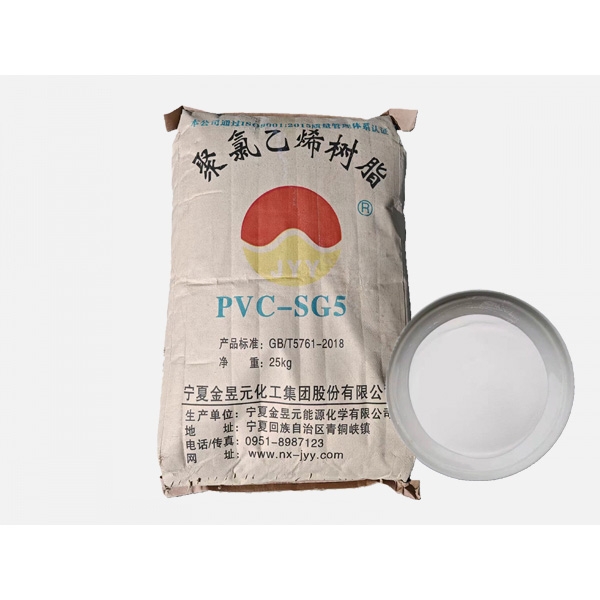
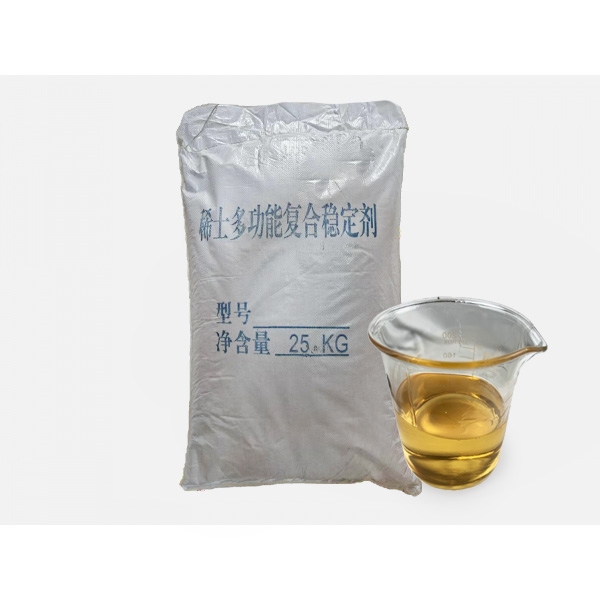
Customization is another reason PVC is widely adopted in chemical and water treatment industries. Different systems require different levels of pressure resistance, temperature stability, and chemical compatibility. Through advanced formulation techniques, PVC materials can be tailored for specific applications using heat stabilizers, impact modifiers, lubricants, and other additives. This flexibility allows manufacturers to produce rigid or flexible PVC solutions optimized for diverse industrial requirements. In demanding industrial environments, impact resistance and thermal stability are also important factors. Water treatment systems often operate outdoors or in facilities exposed to temperature changes and mechanical stress. High-quality PVC formulations are designed to maintain performance under these conditions, resisting cracking, deformation, and environmental degradation. UV stabilizers can also be added to improve outdoor durability for exposed installations.
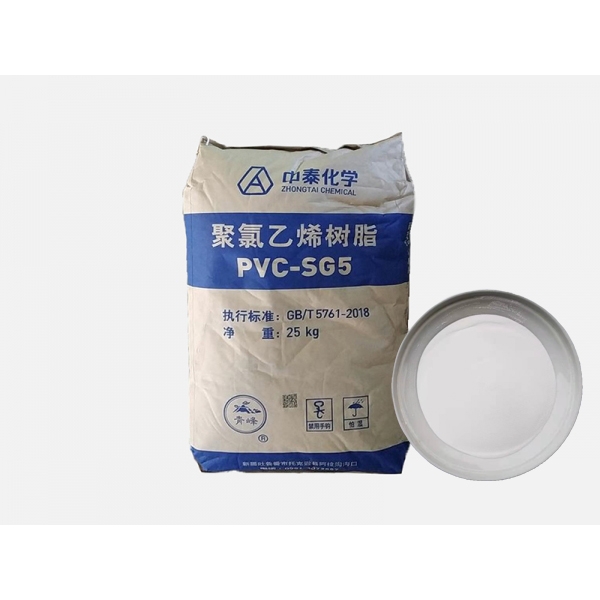
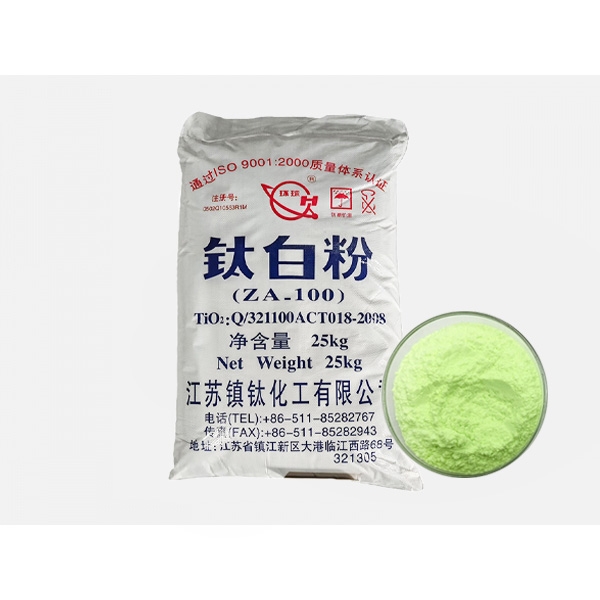
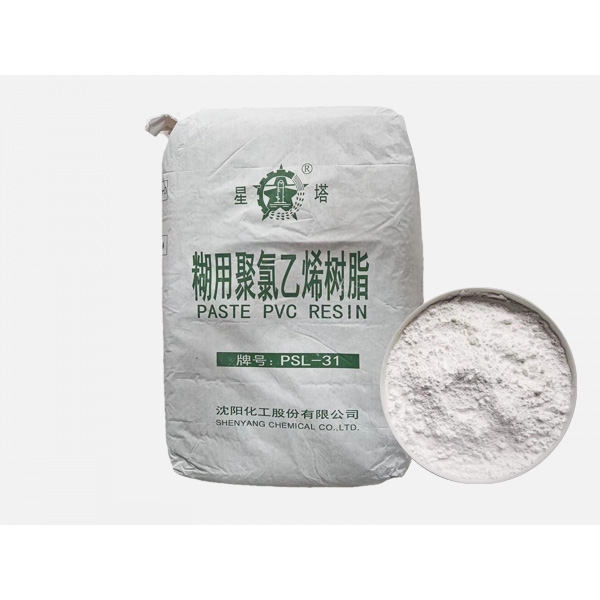
PVC is also increasingly used in advanced water purification technologies. Membrane systems, filtration units, and protective housings often rely on PVC components because of their resistance to chemical cleaning agents and long-term exposure to treated water. The material’s adaptability allows it to support modern treatment technologies aimed at improving water quality and resource efficiency. At Jiangsu Pangrui New Materials Co., Ltd., we support the development of high-performance PVC solutions for water treatment and chemical handling systems by providing quality PVC resin powder, heat stabilizers, pigments, plasticizers, and specialized additives. Our technical expertise and customized formulation support help manufacturers create materials that meet demanding industrial standards for durability, safety, and efficiency. By working closely with customers, we help optimize material performance for specific operating environments.
As industries continue to prioritize reliable infrastructure, environmental protection, and operational efficiency, PVC will remain a critical material in water treatment and chemical handling applications. Its combination of chemical resistance, durability, lightweight properties, and cost-effectiveness makes it an ideal solution for modern fluid management systems. Through ongoing innovation and advanced material engineering, PVC continues to support safer, more efficient, and more sustainable industrial operations worldwide.