Improving Impact Resistance in Rigid PVC Applications
Rigid PVC is widely used in industries such as construction, infrastructure, electrical systems, and industrial manufacturing because of its strength, durability, and cost-efficiency. Products like pipes, window profiles, wall panels, conduit systems, and structural components rely on rigid PVC for long-term performance. However, one of the main technical challenges in rigid PVC applications is impact resistance. Under sudden force, low temperatures, or heavy mechanical stress, rigid PVC can become brittle and prone to cracking. Improving impact resistance is therefore essential to ensuring product reliability, safety, and service life. Impact resistance refers to a material’s ability to absorb and withstand sudden mechanical force without fracturing. In rigid PVC products, poor impact performance can lead to product failure during transportation, installation, or real-world use. For example, pipes may crack under pressure, profiles may break during assembly, or panels may become damaged under environmental stress. To prevent these issues, manufacturers focus on formulation optimization and advanced processing techniques to improve toughness while maintaining rigidity and dimensional stability.
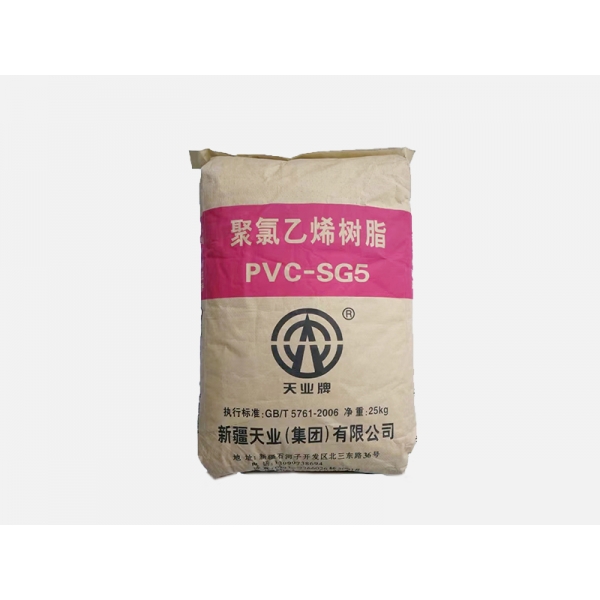
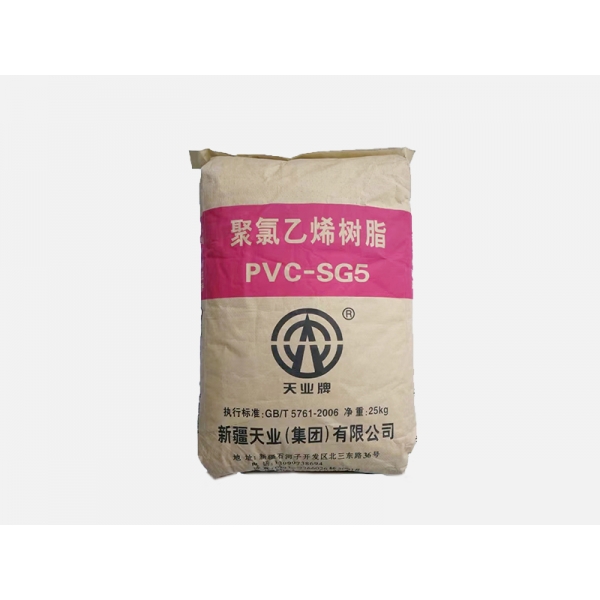
One of the most effective ways to improve impact resistance in rigid PVC is through the use of impact modifiers. These additives are specially designed to absorb and distribute energy when the material experiences sudden force. Common impact modifiers include acrylic-based and chlorinated polyethylene (CPE) materials, which enhance flexibility at the microscopic level without significantly reducing hardness. By improving the internal structure of PVC, impact modifiers help prevent crack propagation and increase durability under stress. The selection of PVC resin also plays an important role in impact performance. Different resin grades have different molecular weights and particle structures, which influence toughness and processing behavior. Higher molecular weight PVC resins generally offer better mechanical strength and improved impact resistance. Choosing the appropriate resin grade provides a strong foundation for developing durable rigid PVC products.
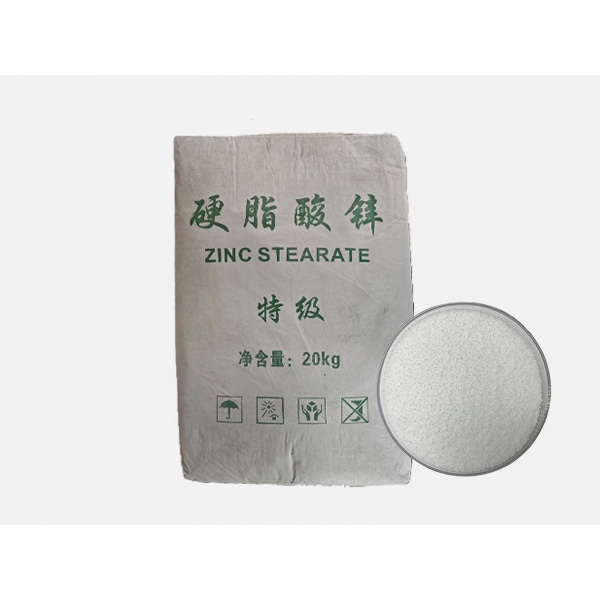
Heat stabilizers are another critical component in maintaining impact resistance. During processing, PVC is exposed to high temperatures that can cause degradation if not properly stabilized. Thermal degradation weakens the polymer structure and negatively affects mechanical properties, including impact strength. High-quality heat stabilizers help protect the PVC during extrusion or molding, ensuring the final product maintains consistent strength and toughness. Processing conditions also have a major influence on impact resistance. Improper temperature control, insufficient fusion, or uneven material mixing can create weak points within the PVC structure. Optimizing extrusion temperatures, cooling rates, and mixing parameters ensures uniform fusion and molecular distribution, resulting in stronger and more impact-resistant products. Proper lubrication is equally important, as it improves material flow and surface quality while reducing internal stress during processing.
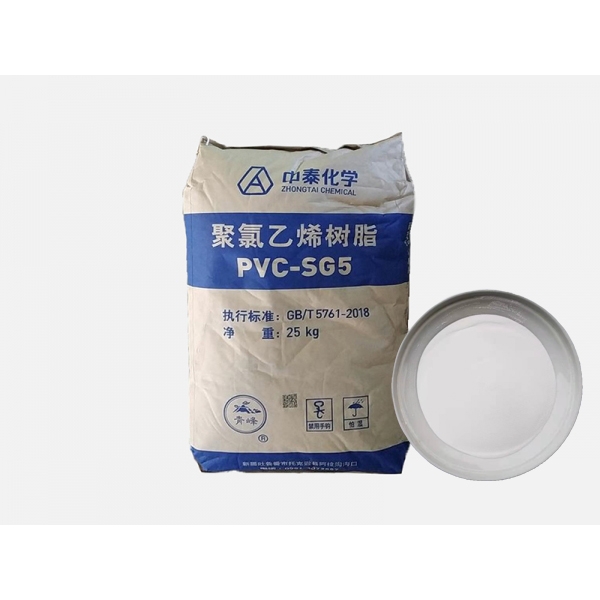
Fillers and reinforcement materials can also be carefully adjusted to balance stiffness and toughness. While fillers such as calcium carbonate are commonly used to reduce cost and improve rigidity, excessive filler content may reduce impact strength. Achieving the right balance between reinforcement and flexibility is essential for maintaining overall product performance. Advanced formulations use optimized filler particle sizes and surface treatments to minimize negative effects on toughness. Environmental conditions are another key consideration, especially for outdoor rigid PVC applications. Low temperatures can increase brittleness, making products more vulnerable to cracking under impact. UV exposure and weathering can also weaken the material over time. To address these challenges, manufacturers incorporate UV stabilizers and weather-resistant additives into the formulation. These additives help preserve mechanical integrity and maintain impact resistance throughout the product’s service life.
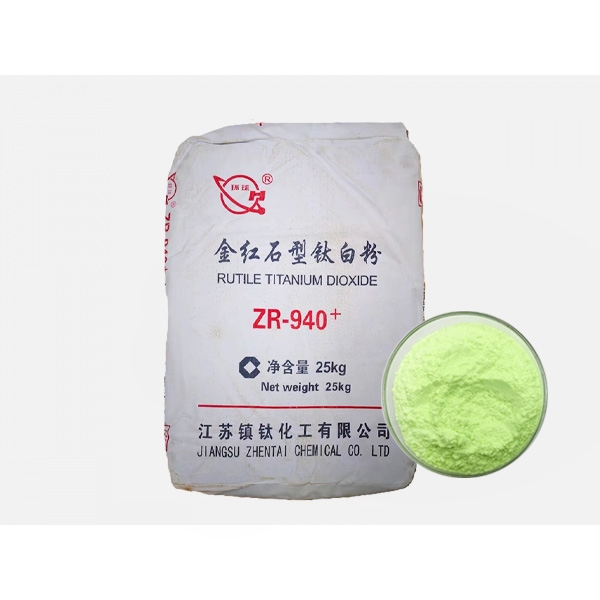
Improved impact resistance is especially important in construction and infrastructure applications. PVC pipes used in water supply, drainage, and industrial systems must withstand pressure changes, installation stress, and environmental impact. Window and door profiles need to resist cracking from daily use and temperature fluctuations. Electrical conduit systems require durability to protect wiring in demanding environments. In all these applications, stronger impact performance translates into longer lifespan, lower maintenance costs, and greater customer confidence. At Jiangsu Pangrui New Materials Co., Ltd., we support the development of high-impact rigid PVC products by providing high-quality PVC resin powder, heat stabilizers, processing additives, pigments, and technical formulation support. Our expertise helps customers optimize material performance for demanding applications while maintaining processing efficiency and product consistency. Through careful formula design and quality control, we help manufacturers produce rigid PVC materials that deliver both strength and durability.
As industries continue to demand higher-performance materials, improving impact resistance in rigid PVC applications remains a key focus of innovation. By combining advanced additives, optimized processing, and precise formulation techniques, manufacturers can significantly enhance toughness without sacrificing the core advantages of rigid PVC. This ongoing development ensures that rigid PVC continues to meet the evolving needs of modern construction, infrastructure, and industrial applications.