PVC in Renewable Energy Systems and Green Infrastructure
The global shift toward renewable energy and sustainable infrastructure is accelerating, driven by the urgent need to reduce carbon emissions and build resilient systems for the future. As industries invest in solar power, wind energy, smart grids, and green buildings, the choice of materials becomes increasingly important. PVC (Polyvinyl Chloride) has emerged as a key material in this transition, offering a combination of durability, efficiency, and adaptability that supports the development of reliable and environmentally responsible energy systems. One of the most significant contributions of PVC in renewable energy lies in solar power systems. Solar installations require materials that can withstand long-term exposure to sunlight, temperature fluctuations, and environmental stress. PVC is widely used in cable insulation, conduit systems, and protective components for photovoltaic installations. Its excellent resistance to UV radiation, moisture, and chemicals ensures long service life, reducing maintenance and replacement costs. Additionally, PVC’s strong electrical insulation properties help maintain safe and efficient power transmission within solar systems.
In wind energy applications, PVC plays an important role in both structural and electrical components. Wind turbines operate in harsh environments, often exposed to extreme weather conditions, saltwater, and mechanical stress. PVC materials are used in cable insulation, protective coverings, and internal components where durability and resistance are critical. Their lightweight nature also contributes to easier installation and reduced structural load, improving overall system efficiency. By ensuring reliable performance in challenging conditions, PVC supports the long-term stability of wind energy infrastructure. Energy storage systems, including battery technologies, are another area where PVC is making a difference. As renewable energy generation increases, efficient storage becomes essential to balance supply and demand. PVC is used in battery insulation, protective casings, and cable management systems, where it provides chemical resistance and electrical safety. Its ability to be formulated for specific performance requirements allows manufacturers to develop materials that meet the demanding conditions of energy storage environments.
Green infrastructure projects, such as smart grids and energy-efficient buildings, also rely heavily on PVC materials. In modern electrical networks, PVC-insulated cables ensure safe and reliable power distribution. These cables must perform consistently under varying loads and environmental conditions, and PVC’s stability makes it an ideal choice. In addition, PVC conduit systems protect wiring from physical damage and environmental exposure, helping maintain the integrity of energy networks over time. In sustainable construction, PVC contributes to energy efficiency and resource conservation. Window profiles, insulation materials, roofing membranes, and piping systems made from PVC help reduce energy consumption in buildings. For example, PVC window frames provide excellent thermal insulation, minimizing heat loss and reducing the need for heating and cooling. PVC piping systems ensure efficient water management, supporting sustainable urban development and reducing resource waste.
Another advantage of PVC in renewable energy and green infrastructure is its durability and low maintenance requirements. Renewable energy installations are designed for long-term operation, often spanning decades. Materials used in these systems must be able to withstand continuous exposure to environmental factors without degrading. PVC’s resistance to corrosion, chemicals, and weathering ensures that components remain functional over extended periods, reducing lifecycle costs and environmental impact. Lightweight properties further enhance PVC’s role in sustainable systems. Lighter materials reduce transportation energy and simplify installation processes, lowering overall project costs and emissions. In large-scale infrastructure projects, these advantages can have a significant impact on both economic and environmental performance. PVC’s ability to combine strength with reduced weight makes it a practical solution for modern energy systems.
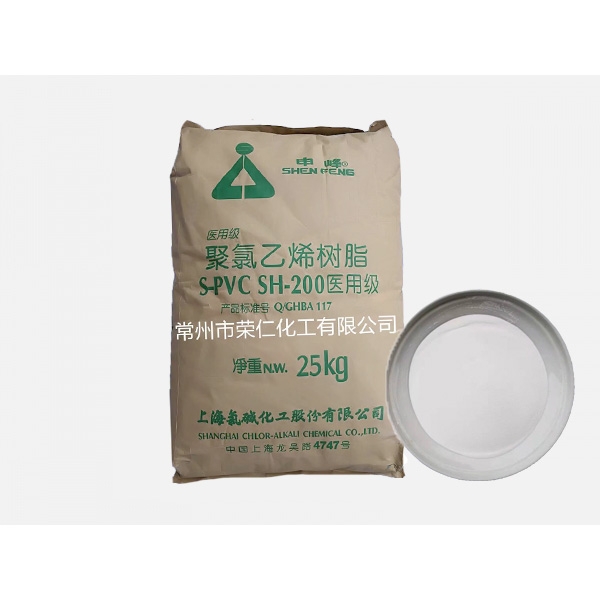
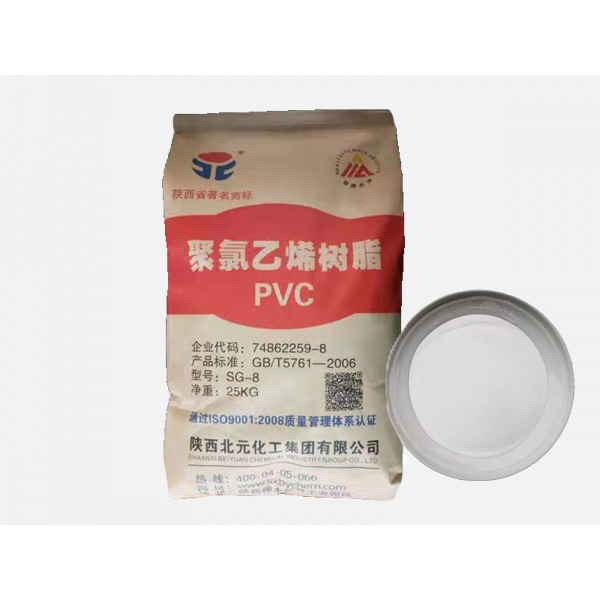
Sustainability is also supported by PVC’s recyclability. Used PVC materials can be collected, processed, and reused in new applications, contributing to a circular economy. As recycling technologies continue to improve, the potential for PVC to be reused in renewable energy and infrastructure projects increases, further reducing environmental impact. At Jiangsu Pangrui New Materials Co., Ltd., we support the development of renewable energy systems and green infrastructure by providing high-quality PVC resin powder, heat stabilizers, plasticizers, pigments, and specialized additives. Our technical expertise and customized formulation support help manufacturers create materials that meet the performance and durability requirements of modern energy applications. By working closely with customers, we ensure that PVC solutions are optimized for efficiency, safety, and sustainability.
As the world continues to invest in cleaner energy and smarter infrastructure, the demand for reliable and adaptable materials will only grow. PVC, with its proven performance and evolving sustainability profile, is well positioned to play a central role in this transformation. By enabling durable, efficient, and cost-effective solutions, PVC helps build the foundation for a greener future and supports the global transition toward sustainable development.