PVC Materials for Safety Equipment and Protective Gear
Safety equipment and protective gear play a critical role in protecting workers, emergency responders, and consumers in hazardous environments. Whether in industrial facilities, healthcare settings, construction sites, laboratories, or transportation industries, protective products must provide durability, flexibility, chemical resistance, and long-term reliability. PVC has become one of the most widely used materials in the manufacturing of safety equipment because of its unique combination of protective performance, processing versatility, and cost-efficiency. One of the main reasons PVC is widely used in protective applications is its excellent chemical resistance. Many industries expose workers to oils, acids, alkalis, solvents, and other potentially harmful substances. PVC materials resist degradation when exposed to these chemicals, making them ideal for protective gloves, aprons, boots, rainwear, and industrial coverings. This chemical stability helps maintain the integrity of protective equipment and reduces the risk of material failure in demanding environments.
Flexibility is another major advantage of PVC in safety gear. Protective equipment must allow freedom of movement while still providing reliable protection. Through the use of carefully selected plasticizers and additives, PVC can be formulated to achieve different levels of softness and flexibility. This adaptability allows manufacturers to create products that are comfortable for long-term use without sacrificing durability or resistance. Flexible PVC is commonly used in protective clothing, face shields, inflatable safety devices, and flexible barriers because it combines comfort with strong protective performance. Flame resistance is also an important property in many protective applications. PVC naturally contains chlorine, which gives it inherent flame-retardant characteristics compared to many other plastics. Flame-retardant PVC formulations are widely used in protective clothing, cable coverings, and industrial safety products where fire hazards are a concern. These materials can self-extinguish when the ignition source is removed, helping reduce the spread of flames and improving workplace safety.
Durability and impact resistance further strengthen PVC’s role in protective gear manufacturing. Safety equipment is often exposed to repeated stress, harsh weather conditions, abrasion, and physical impact. PVC materials are designed to withstand these challenges while maintaining their protective function over time. Helmets, protective covers, knee pads, and industrial barriers made from PVC-based materials offer long service life and reliable performance in demanding conditions. In healthcare and medical environments, PVC is widely used in protective equipment because of its hygiene and ease of cleaning. Medical gloves, protective curtains, tubing, and disposable protective items benefit from PVC’s resistance to moisture and contamination. The material can be sterilized and cleaned easily, helping maintain safe and sanitary environments. Transparent PVC is also commonly used in face shields and protective barriers because it provides clear visibility while offering physical protection.
Electrical safety applications also rely heavily on PVC materials. Cable insulation, protective sleeves, and electrical safety equipment use PVC because of its excellent dielectric properties and resistance to heat and moisture. In industrial and construction environments where workers are exposed to electrical systems, PVC insulation helps reduce the risk of electrical accidents while maintaining flexibility and durability. Weather resistance is another important feature of PVC safety materials. Outdoor protective gear must withstand sunlight, rain, temperature fluctuations, and environmental exposure without cracking or degrading. UV stabilizers and specialized additives can be incorporated into PVC formulations to improve outdoor performance and extend product lifespan. This makes PVC ideal for outdoor workwear, protective tents, traffic safety equipment, and emergency response gear.
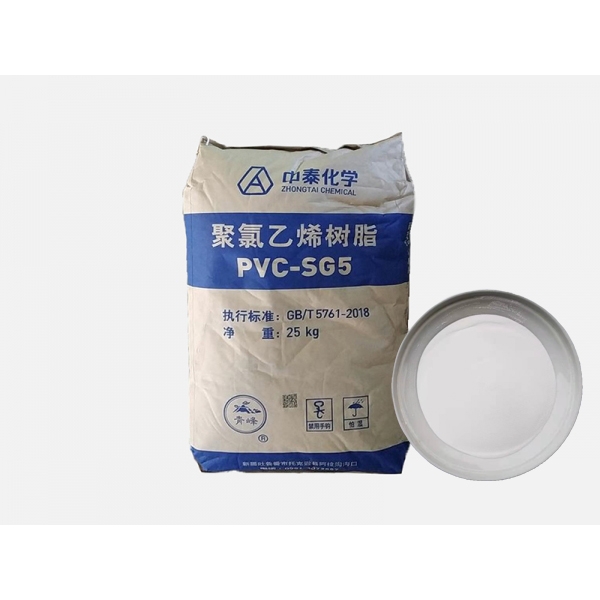
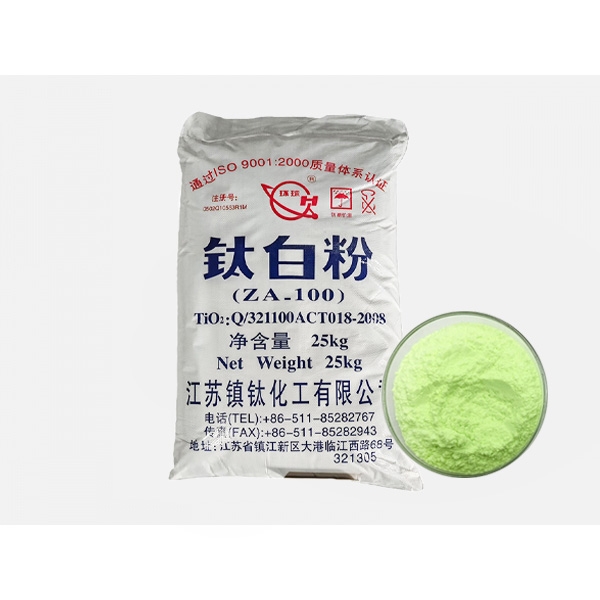
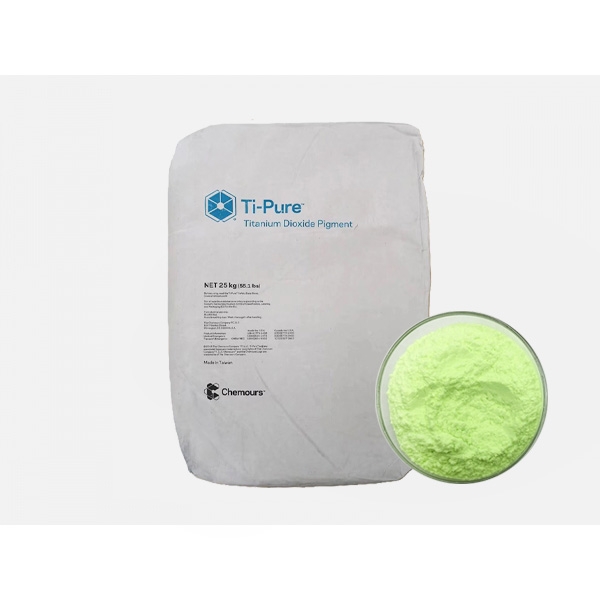
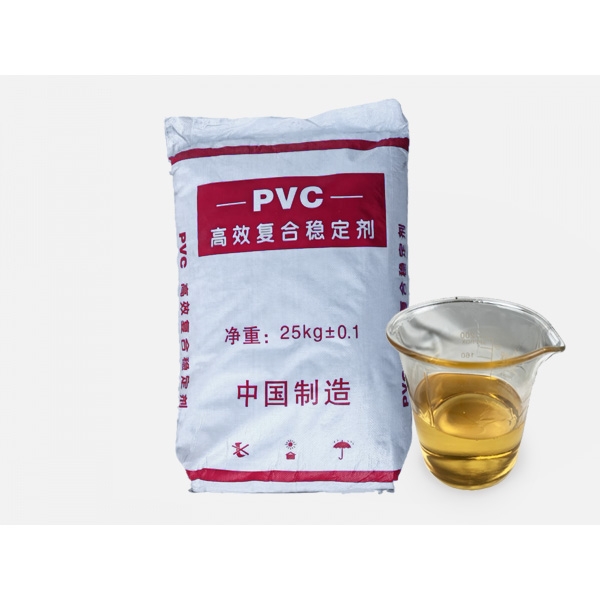
Customization is a key advantage of PVC in safety equipment manufacturing. Different industries require different levels of protection, flexibility, thickness, color, and chemical resistance. PVC formulations can be tailored to meet these specific requirements by adjusting resin grades and additive combinations. This flexibility allows manufacturers to produce specialized safety products for applications ranging from heavy industrial use to lightweight consumer protection equipment. At Jiangsu Pangrui New Materials Co., Ltd., we support the production of high-performance PVC safety materials through advanced formulation expertise and quality raw materials. By providing PVC resin powder, heat stabilizers, plasticizers, pigments, and other additives, we help manufacturers develop protective products that meet demanding safety standards and application requirements. Our technical support and customized formula solutions ensure reliable processing and consistent product quality.
As industries continue to place greater emphasis on worker safety, environmental protection, and product reliability, the demand for advanced protective materials will continue to grow. PVC remains a trusted solution because it combines durability, flexibility, chemical resistance, flame retardancy, and cost-effectiveness in a single material system. Through ongoing innovation and material development, PVC continues to enhance the performance and reliability of safety equipment and protective gear across industries worldwide.