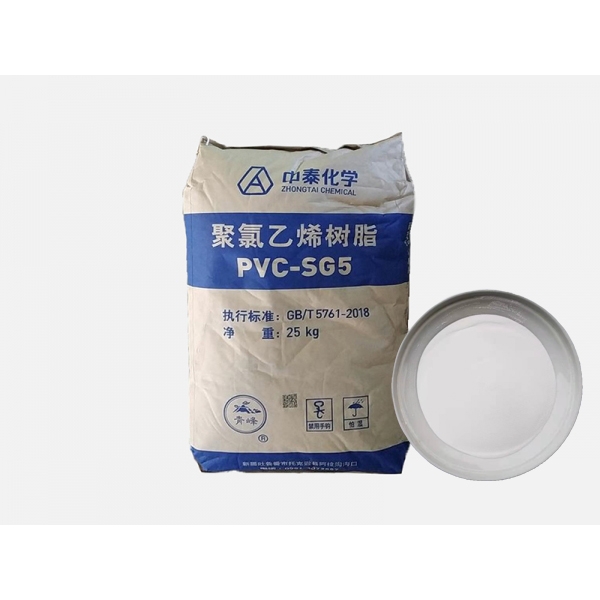
Anti-Corrosion Properties of PVC in Industrial Environments
Industrial environments often expose materials to harsh operating conditions, including moisture, chemicals, acids, alkalis, salt, and extreme weather. In such settings, corrosion is one of the leading causes of equipment failure, maintenance costs, and reduced operational efficiency. Selecting materials that can withstand these aggressive conditions is essential for ensuring long-term reliability and safety. PVC has become one of the most trusted materials for industrial applications because of its outstanding anti-corrosion properties, making it a preferred choice across industries ranging from chemical processing and water treatment to mining and manufacturing. Unlike traditional metal materials, PVC does not rust, oxidize, or corrode when exposed to water and many chemical substances. Metals such as steel and iron can deteriorate over time due to electrochemical reactions with their environment, leading to structural weakening and costly repairs. PVC, however, is inherently resistant to these corrosion mechanisms. This characteristic allows PVC components to maintain their performance and structural integrity even after years of exposure to challenging industrial conditions.
One of the most significant advantages of PVC is its resistance to a wide range of chemicals. Industrial facilities frequently handle acids, alkalis, salts, solvents, and other corrosive substances that can rapidly damage conventional materials. PVC remains stable when exposed to many of these chemicals, making it suitable for pipes, tanks, fittings, ducts, valves, and protective linings. This chemical resistance helps ensure safe fluid transport and storage while minimizing the risk of leaks, contamination, and system failures. Water treatment facilities are among the industries that benefit most from PVC’s anti-corrosion capabilities. Water and wastewater systems often operate continuously in moist environments where metal components are vulnerable to rust and scaling. PVC piping systems resist corrosion, biological growth, and mineral buildup, helping maintain efficient water flow and reducing maintenance requirements. Their smooth internal surfaces also improve flow efficiency and lower pumping energy consumption, contributing to more sustainable operations.
The chemical processing industry relies heavily on PVC because of its ability to withstand aggressive processing conditions. Chemical plants require materials that can safely transport and contain reactive substances without degrading over time. PVC’s resistance to many industrial chemicals allows it to perform reliably in storage tanks, ventilation systems, chemical transfer lines, and wastewater treatment equipment. By reducing the likelihood of corrosion-related failures, PVC helps improve plant safety and operational continuity. In mining and mineral processing operations, equipment is often exposed to abrasive materials, moisture, and corrosive chemicals. PVC components are frequently used in slurry transport systems, drainage networks, and chemical handling equipment because they offer both corrosion resistance and durability. Their lightweight nature also simplifies installation and maintenance in remote or challenging environments where operational efficiency is critical.
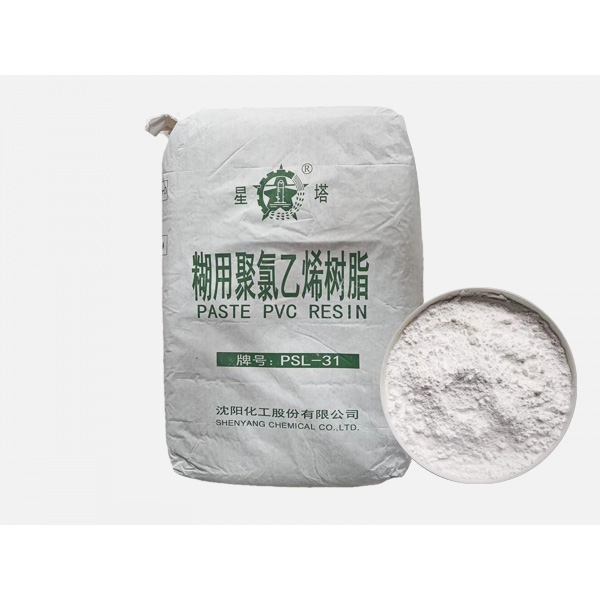
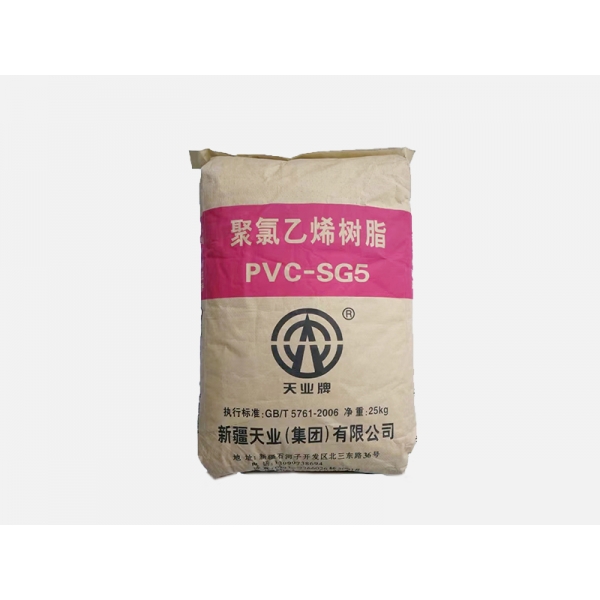
Another important area where PVC demonstrates its anti-corrosion advantages is in coastal and marine environments. Salt-laden air and seawater can accelerate corrosion in many materials, significantly shortening service life. PVC’s resistance to salt and moisture makes it an excellent choice for infrastructure, piping systems, cable protection, and industrial facilities located near oceans or coastal regions. This durability reduces maintenance costs and extends the lifespan of critical equipment. Beyond chemical resistance, PVC also offers excellent resistance to weathering and environmental exposure. Industrial systems installed outdoors must withstand ultraviolet radiation, temperature fluctuations, humidity, and pollution. With the addition of appropriate stabilizers and additives, PVC can maintain its performance under long-term environmental stress. UV-resistant formulations help prevent degradation and preserve mechanical properties, ensuring reliable operation over extended service periods.
Cost efficiency is another major benefit of PVC in anti-corrosion applications. Corrosion-related maintenance and equipment replacement represent significant expenses for industrial operations. By using PVC components that resist deterioration, companies can reduce maintenance frequency, minimize downtime, and lower overall lifecycle costs. The lightweight nature of PVC also reduces transportation and installation expenses compared to heavier metal alternatives. Customization further enhances PVC’s suitability for industrial environments. Different applications may require varying levels of chemical resistance, impact strength, pressure resistance, or thermal stability. Through advanced formulation techniques, PVC can be tailored using heat stabilizers, impact modifiers, lubricants, and other additives to meet specific operational requirements. This flexibility enables manufacturers to develop solutions optimized for unique industrial challenges.
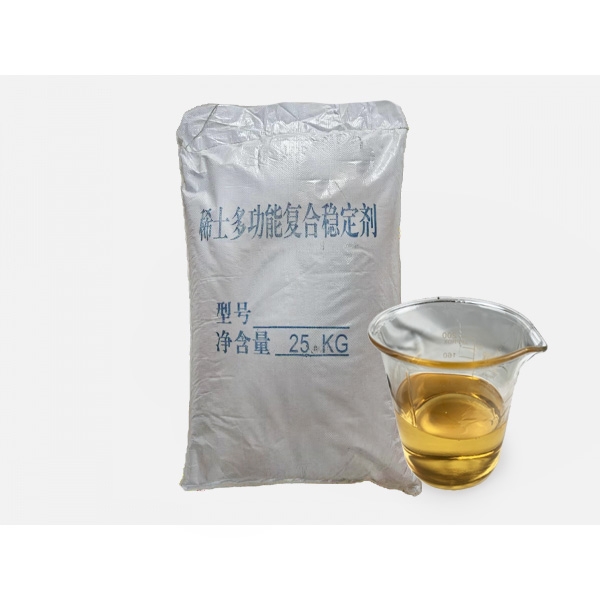
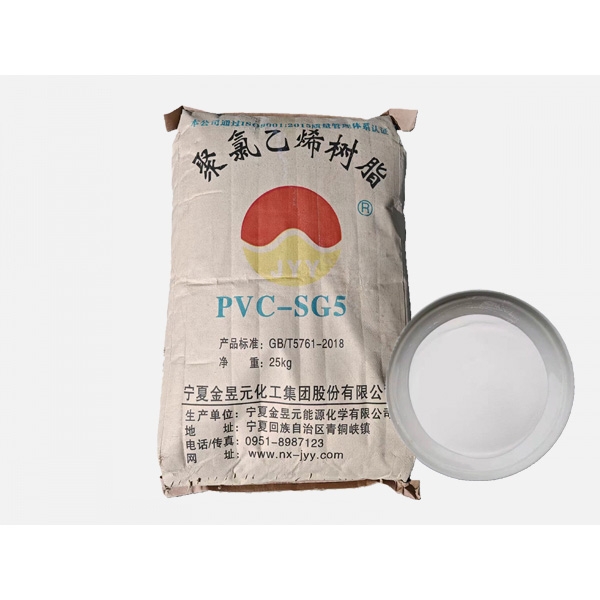
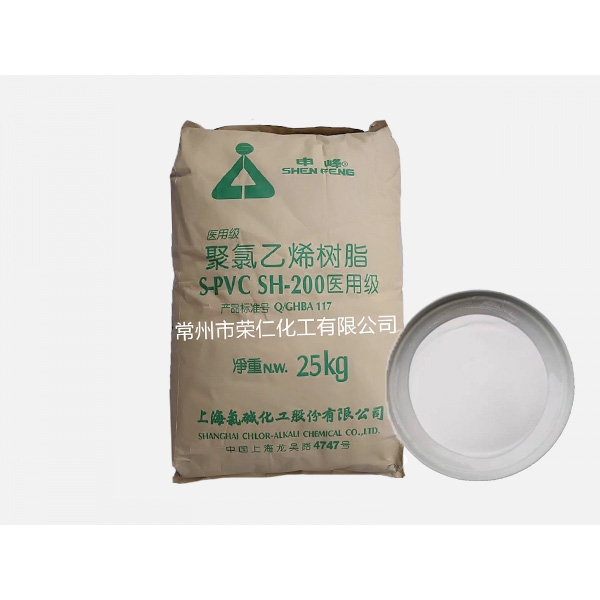
At Jiangsu Pangrui New Materials Co., Ltd., we support industrial customers by providing high-quality PVC resin powder, heat stabilizers, plasticizers, pigments, and specialized additives designed to enhance material performance. Our technical expertise and customized formulation support help manufacturers develop PVC products that deliver exceptional corrosion resistance, durability, and long-term reliability in demanding industrial environments. As industries continue to seek materials that offer superior performance and lower maintenance costs, PVC remains a leading solution for corrosion protection. Its resistance to chemicals, moisture, salt, and environmental degradation makes it an invaluable material for modern industrial infrastructure. Through continuous innovation and advanced material development, PVC continues to help industries improve safety, efficiency, and sustainability while overcoming the challenges posed by corrosive operating conditions.