From Formula Development to Mass Production: The Complete PVC Solution
PVC has become one of the most important materials in modern manufacturing due to its versatility, durability, and adaptability. However, producing high-performance PVC products requires much more than simply selecting raw materials. From initial formula development to large-scale mass production, every stage requires careful planning, technical expertise, and precise quality control. A complete PVC solution combines material selection, additive optimization, process improvement, testing, and production support to help manufacturers achieve consistent quality and competitive advantages. The foundation of any successful PVC product begins with formula development. Every application has different performance requirements, whether it is a rigid pipe requiring strength and impact resistance, a flexible film requiring softness and durability, or a conductive plastic requiring stable electrical performance. A well-designed PVC formulation balances multiple components, including PVC resin powder, heat stabilizers, plasticizers, lubricants, pigments, impact modifiers, foaming agents, and specialty additives. The goal is to create a compound that delivers the required properties while maintaining efficient processing.
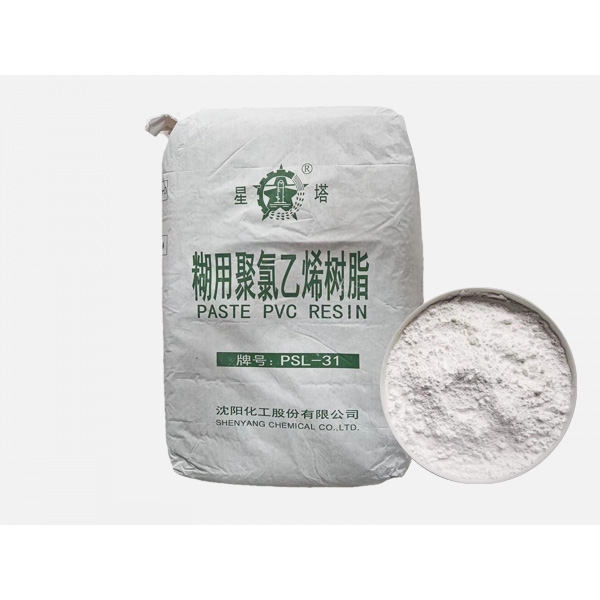
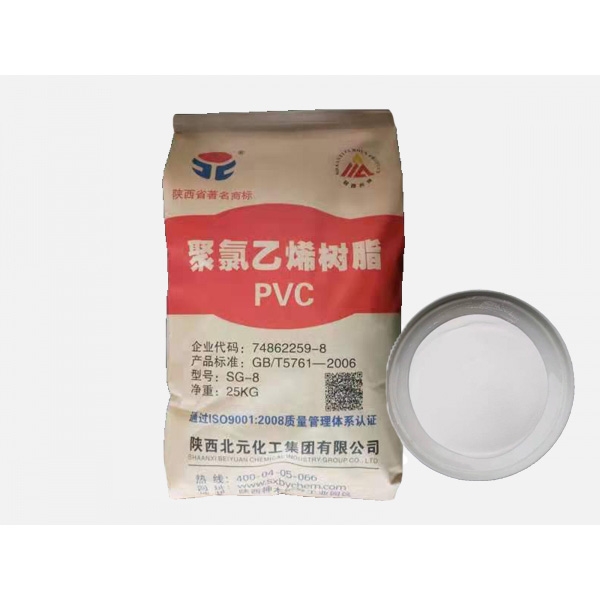
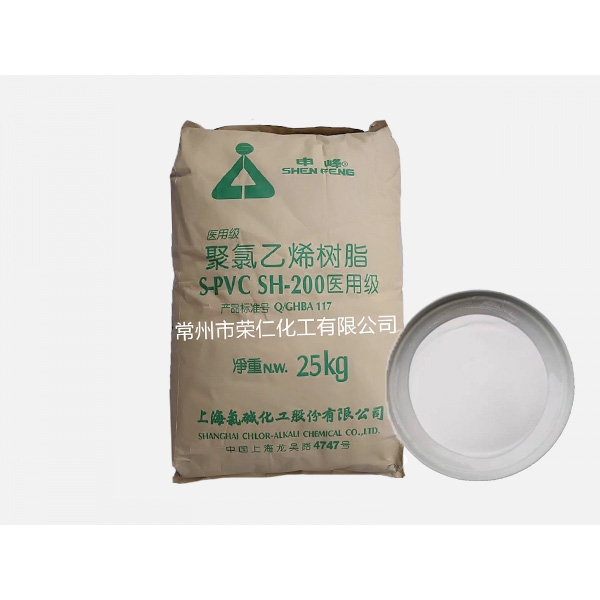
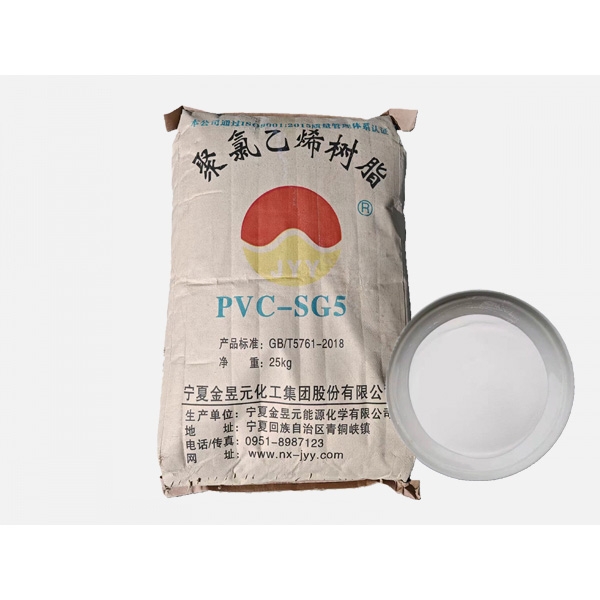
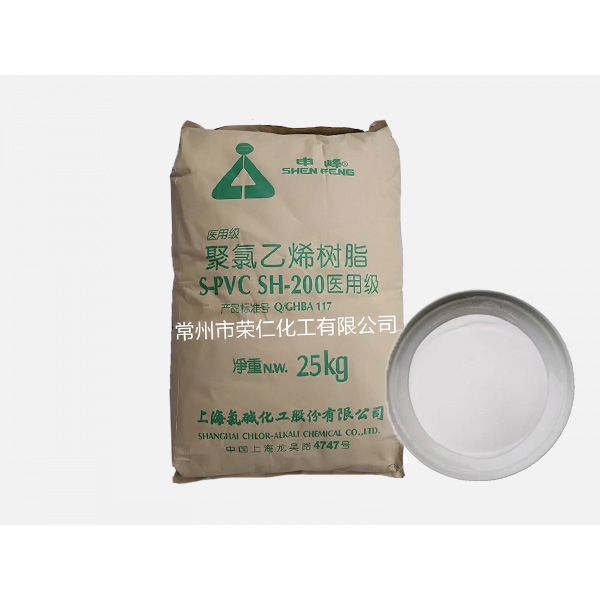
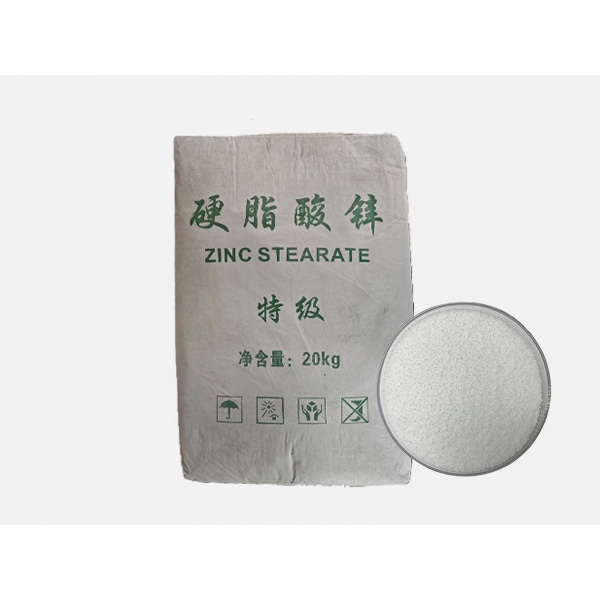
PVC resin powder is the core component of the formulation and determines many basic characteristics of the final product. Factors such as resin grade, particle size, molecular weight, and processing behavior influence fusion, mechanical strength, and surface quality. Selecting the appropriate resin type according to the application ensures that the material can achieve stable performance during manufacturing and long-term use. Additive selection is another critical step in PVC compound development. Heat stabilizers protect PVC from thermal degradation during processing, preventing discoloration and loss of strength. Lubricants improve melt flow and reduce friction during extrusion or molding. Plasticizers provide flexibility for products such as cables, films, and medical materials. Pigments and optical brighteners enhance appearance, while impact modifiers improve toughness and durability. Each additive has a specific function, but the best results come from ensuring that all components work together effectively.
Conductive plastic development requires even more precise formulation control. By adding conductive carbon black or ultra-nano conductive carbon black, PVC materials can achieve anti-static or conductive properties for applications such as electronic components, industrial equipment, and specialized protective materials. The challenge is achieving the desired electrical performance while maintaining mechanical strength, processing stability, and product consistency. Proper dispersion and formula optimization are essential for successful conductive plastic production. After formula development, laboratory testing plays a vital role in verifying material performance. Before moving to mass production, PVC compounds must be evaluated for properties such as thermal stability, flexibility, impact resistance, color consistency, electrical conductivity, and processing behavior. Testing allows manufacturers to identify potential issues early and adjust the formulation before large-scale manufacturing begins. This reduces production risks and improves overall efficiency.
Pilot production is the next important stage between laboratory development and full-scale manufacturing. Small-batch trials help confirm whether the formula performs well under actual production conditions. During this stage, engineers evaluate extrusion behavior, equipment compatibility, surface quality, and product consistency. Any necessary adjustments to additive ratios or processing parameters can be made before committing to large production volumes. Mass production requires strict control over every manufacturing factor. Even a well-designed formula can experience quality issues if production conditions are unstable. Temperature control, mixing accuracy, extrusion speed, equipment maintenance, and raw material consistency all influence the final product. Advanced manufacturing systems and continuous monitoring help maintain stable output and reduce defects such as uneven color, poor fusion, surface imperfections, or dimensional variation.
Raw material quality management is also essential for reliable PVC production. Inconsistent additives or unstable resin quality can create fluctuations in processing performance and product properties. Working with a dependable supplier ensures that materials meet required specifications and remain consistent between batches. Reliable supply chains allow manufacturers to maintain production efficiency and deliver products that meet customer expectations. Technical support throughout the production process provides additional value for manufacturers. Developing a successful PVC product often requires adjustments based on equipment type, application environment, and customer requirements. Professional technical guidance helps manufacturers optimize formulas, solve processing challenges, and improve productivity. Customized support can significantly shorten development cycles and accelerate the transition from concept to commercial production.
At Jiangsu Pangrui New Materials Co., Ltd., we provide complete PVC material solutions from formula development to mass production support. Our product range includes PVC resin powder, heat stabilizers, lubricant microsphere foaming agents, optical brighteners, organic and inorganic pigments, plasticizers, conductive carbon black, and ultra-nano conductive carbon black. In addition to supplying raw materials, we provide customized formula ratios, technical guidance, and free samples to help customers develop and optimize their PVC products. The journey from formula development to mass production requires a combination of material knowledge, application experience, and manufacturing expertise. A successful PVC solution is not created by a single ingredient but through the precise cooperation of multiple materials and processes. By providing comprehensive support throughout the entire development cycle, manufacturers can achieve better product performance, higher production efficiency, and stronger competitiveness in global markets.