How to Reduce Processing Defects in PVC Extrusion and Injection Molding
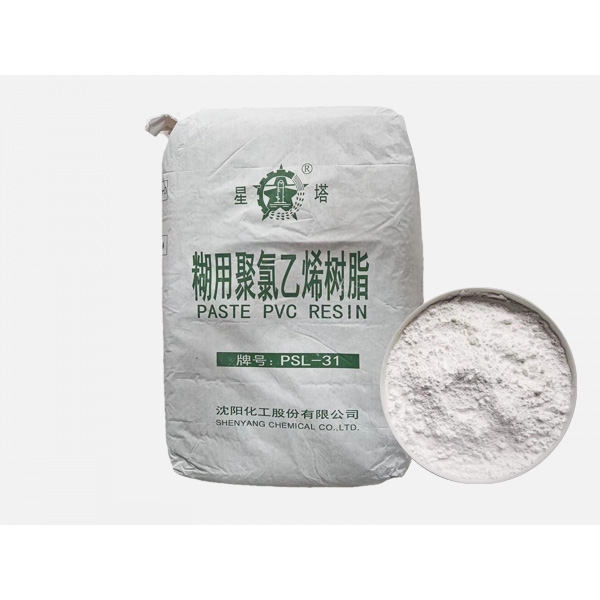
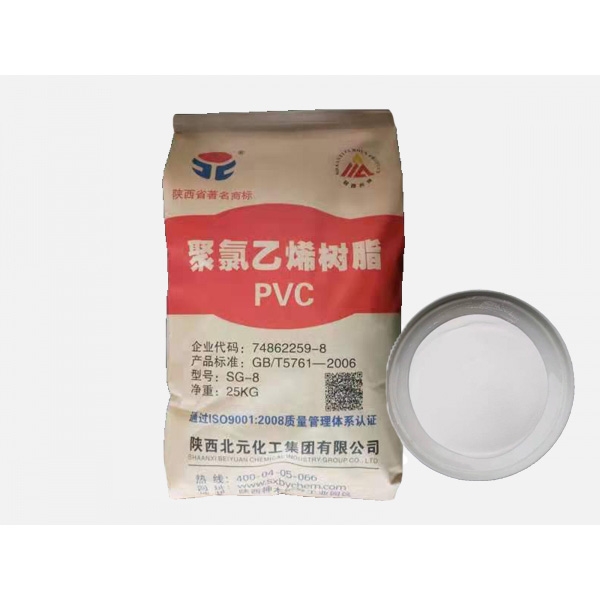
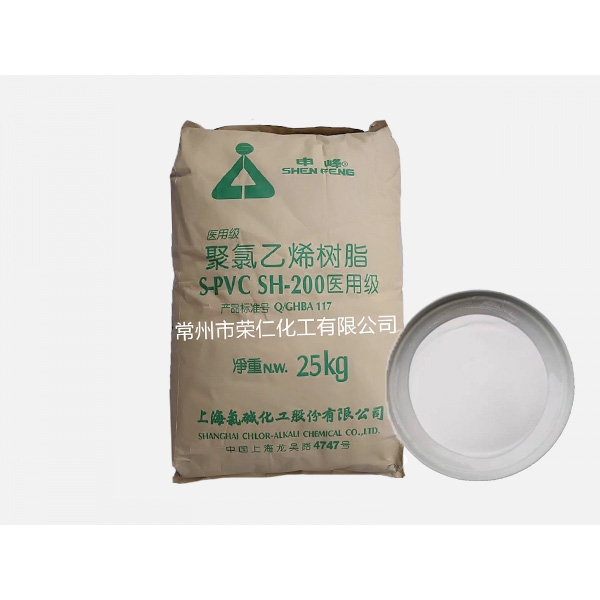
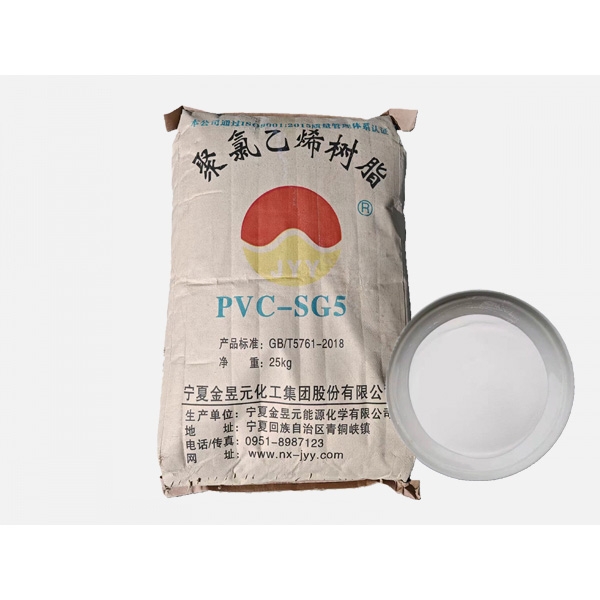
PVC extrusion and injection molding are two of the most widely used manufacturing processes for producing pipes, profiles, sheets, fittings, cable insulation, and countless other products. While these processes offer excellent productivity and versatility, maintaining consistent product quality requires careful control of materials, equipment, and processing conditions. Even minor variations can lead to defects such as discoloration, burn marks, poor surface finish, bubbles, warping, incomplete filling, or dimensional instability. Reducing these processing defects is essential for improving product quality, minimizing waste, and increasing manufacturing efficiency. The first step in preventing defects is selecting high-quality raw materials. PVC resin with consistent particle size, bulk density, and porosity provides predictable processing behavior and promotes uniform fusion. Variations in resin quality can lead to unstable melt flow, inconsistent mechanical properties, and poor surface appearance. Using premium-grade PVC resin establishes a solid foundation for stable production and reliable product performance.
A properly balanced PVC formulation is equally important. Heat stabilizers, lubricants, plasticizers, impact modifiers, pigments, and other additives must work together to support both processing and final product performance. An imbalanced formulation can create problems such as poor fusion, discoloration, excessive friction, or weak mechanical strength. Optimizing the formulation for the specific application helps ensure smooth processing while reducing the risk of manufacturing defects. Thermal stability is one of the most critical factors in PVC processing because PVC is naturally sensitive to heat. Excessive temperatures or prolonged exposure during extrusion and injection molding can cause thermal degradation, leading to yellowing, black specks, burning, and the release of hydrogen chloride (HCl). High-quality heat stabilizers protect the polymer during processing, allowing the material to maintain its color, strength, and overall quality. Maintaining stable barrel, screw, and mold temperatures is equally important for preventing heat-related defects.
Lubrication plays a significant role in achieving consistent processing. Internal lubricants improve polymer flow by reducing friction between PVC molecules, while external lubricants reduce friction between the material and processing equipment. Insufficient lubrication can result in overheating, rough surfaces, and unstable melt flow, whereas excessive lubrication may prevent proper fusion and reduce product strength. Achieving the correct lubrication balance improves processing stability and enhances surface quality. Proper equipment setup is essential for minimizing production defects. In extrusion, screw design, die configuration, and calibration systems must match the characteristics of the PVC formulation. In injection molding, screw geometry, gate design, mold venting, and cooling systems all influence material flow and product quality. Well-maintained equipment with optimized settings ensures consistent pressure distribution and uniform filling throughout the manufacturing process.
Temperature control throughout the production cycle has a direct impact on product consistency. In extrusion, each heating zone should be carefully adjusted to allow gradual melting and proper fusion. In injection molding, barrel temperature, mold temperature, and cooling time must be optimized to prevent shrinkage, sink marks, or internal stress. Stable temperature control helps maintain dimensional accuracy while improving surface appearance and mechanical performance. Moisture and contamination are common sources of processing defects. Although PVC itself absorbs very little moisture, additives and fillers may introduce unwanted water or impurities into the formulation. Contaminated raw materials can cause bubbles, voids, black spots, and inconsistent product quality. Proper material storage, handling, and cleaning procedures help maintain raw material purity and reduce production interruptions.
Processing speed should also be carefully optimized. Running extrusion or injection molding equipment at excessively high speeds may increase production output, but it can also create unstable pressure, poor fusion, uneven filling, and excessive heat buildup. Conversely, overly slow processing may reduce productivity and increase energy consumption. Finding the optimal balance between production speed and processing stability is essential for achieving both efficiency and quality. Regular quality monitoring throughout production helps identify potential issues before they become major defects. Monitoring parameters such as melt pressure, temperature, product dimensions, color consistency, and surface finish allows operators to make timely adjustments. Modern automated control systems provide real-time process monitoring, helping manufacturers maintain stable production and reduce material waste.
At Jiangsu Pangrui New Materials Co., Ltd., we support PVC manufacturers by supplying high-quality PVC resin powder, heat stabilizers, lubricants, plasticizers, pigments, optical brighteners, and other specialized additives that improve processing stability and product quality. We also provide customized formulation ratios, technical support, and free sample assistance to help customers optimize extrusion and injection molding processes while reducing production defects and improving manufacturing efficiency. As product quality standards continue to rise across global industries, minimizing processing defects has become more important than ever. Successful PVC extrusion and injection molding depend on the careful integration of premium raw materials, optimized formulations, precise process control, and reliable technical support. By continuously refining each stage of production, manufacturers can produce high-quality PVC products with greater consistency, lower production costs, and stronger competitiveness in the global marketplace.