High-Temperature Resistant PVC Compounds: Challenges and Solutions
PVC is widely valued for its versatility, cost-efficiency, and ease of processing, but one of its inherent limitations is sensitivity to high temperatures. As industries such as automotive, electrical, construction, and industrial manufacturing push toward more demanding operating environments, the need for high-temperature resistant PVC compounds has grown significantly. Developing such materials requires overcoming technical challenges while maintaining the core advantages that make PVC so widely used. Through advanced formulation and material innovation, manufacturers are successfully extending the performance boundaries of PVC. The primary challenge in high-temperature applications is the thermal instability of PVC. When exposed to elevated temperatures during processing or end use, PVC can undergo degradation, leading to discoloration, loss of mechanical strength, and the release of hydrogen chloride (HCl). This degradation not only affects product appearance but also compromises long-term performance and safety. Addressing this issue requires a deep understanding of thermal behavior and the use of effective stabilization systems.
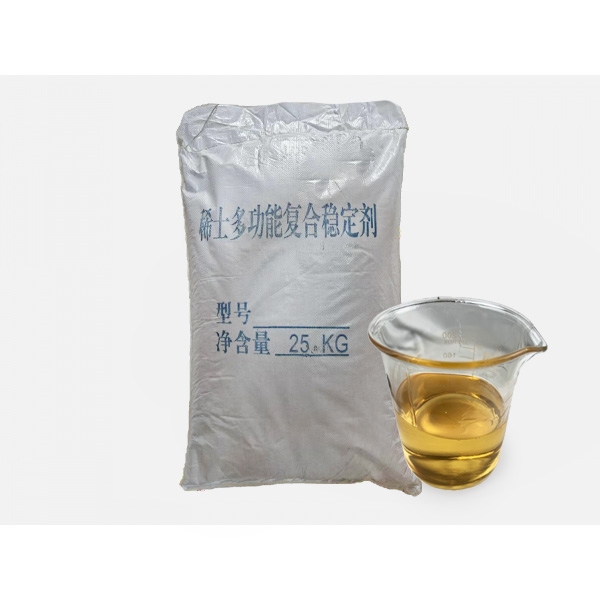
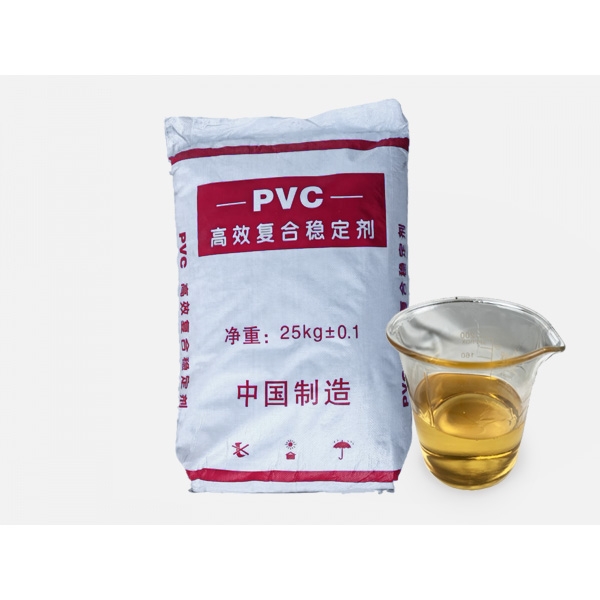
Heat stabilizers play a central role in improving PVC’s resistance to high temperatures. Modern stabilizer systems, such as calcium-zinc and organic-based stabilizers, are designed to prevent or slow down the degradation process during both processing and service life. These stabilizers work by neutralizing released HCl and protecting the polymer chain from breakdown. Selecting the right type and dosage of stabilizer is critical, as it must align with processing conditions, product requirements, and environmental regulations. Advanced stabilizer technology allows PVC to maintain its integrity even under prolonged heat exposure. Another important factor is the choice of plasticizers in flexible PVC formulations. Traditional plasticizers may not perform well at high temperatures, as they can migrate or volatilize, leading to changes in material properties. High-performance plasticizers with improved thermal stability are used to ensure that flexibility is retained without compromising heat resistance. These specialized plasticizers help maintain the balance between softness and durability in demanding environments such as automotive interiors, cable insulation, and industrial components.
Processing conditions also present a challenge when working with high-temperature resistant PVC compounds. Elevated processing temperatures can accelerate degradation if not properly controlled. To address this, manufacturers optimize processing parameters such as temperature profiles, mixing time, and extrusion speed. The use of appropriate lubricants and processing aids helps improve melt flow, reduce friction, and stabilize the material during production. This ensures consistent quality and prevents defects such as burning, discoloration, or uneven surfaces. In addition to stabilizers and plasticizers, fillers and reinforcing agents can enhance the thermal performance of PVC compounds. Certain mineral fillers improve heat resistance and dimensional stability, allowing the material to maintain its shape under elevated temperatures. These additives also contribute to mechanical strength, making the final product more robust and reliable in high-temperature environments. The challenge lies in achieving uniform dispersion and compatibility within the PVC matrix to ensure consistent performance.
Flame retardancy often overlaps with high-temperature requirements, especially in electrical and construction applications. PVC’s natural flame-resistant properties can be further enhanced with specialized additives that improve fire performance without negatively affecting thermal stability. This dual functionality is particularly important in cables, wiring systems, and building materials where both heat resistance and fire safety are critical. Applications for high-temperature resistant PVC compounds are expanding rapidly. In the automotive sector, these materials are used in wire harnesses, engine compartment components, and interior parts exposed to heat. In the electrical industry, high-temperature PVC is essential for cable insulation in environments with continuous heat exposure. In construction, it is used in roofing membranes, insulation materials, and protective systems that must withstand sunlight and temperature fluctuations over long periods.
Customization is key to successfully developing high-temperature PVC solutions. Different applications require different levels of heat resistance, flexibility, and mechanical strength. By adjusting formulation components and ratios, manufacturers can create compounds tailored to specific performance targets. This requires close collaboration between material suppliers and end users to ensure that all requirements are met effectively. At Jiangsu Pangrui New Materials Co., Ltd., we address these challenges through advanced formulation expertise and high-quality raw materials. By supplying PVC resin powder, heat stabilizers, plasticizers, lubricants, and other specialized additives, we help customers develop compounds that perform reliably under elevated temperatures. Our technical support and optimized formula solutions enable manufacturers to achieve stable processing and long-term performance in demanding applications.
As industries continue to evolve and operate under more extreme conditions, the demand for high-temperature resistant materials will only increase. Through continuous innovation and precise material engineering, PVC is being transformed into a high-performance solution capable of meeting these challenges. By overcoming its traditional limitations, high-temperature resistant PVC compounds are opening new opportunities for applications where durability, safety, and efficiency are essential.