PVC Compounds Designed for High-Pressure Industrial Systems
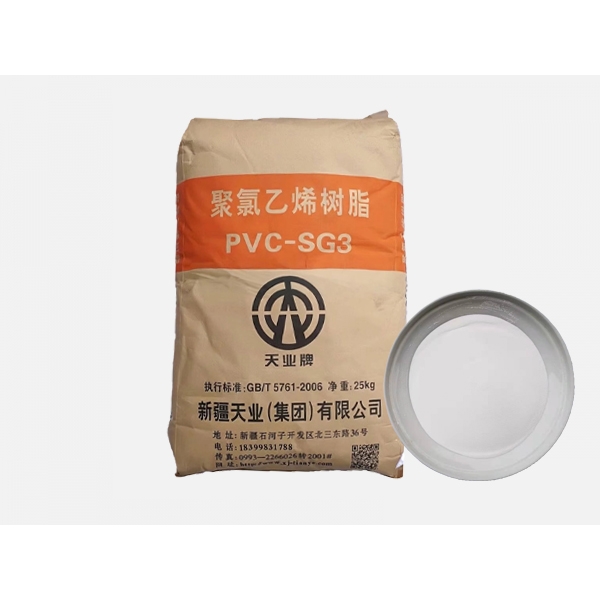
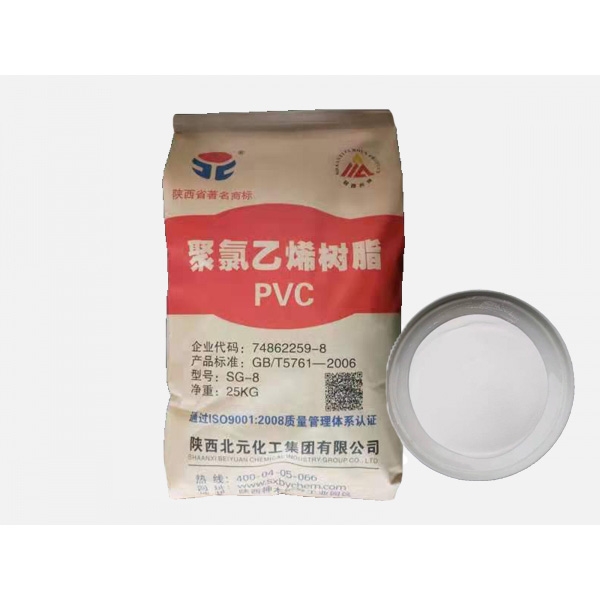
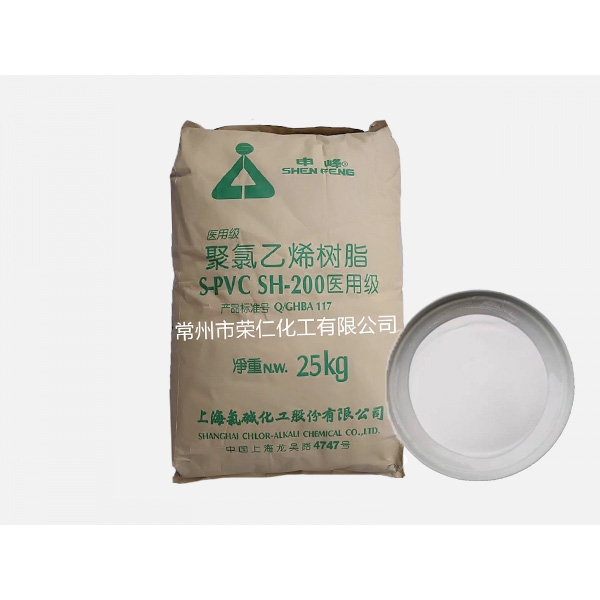
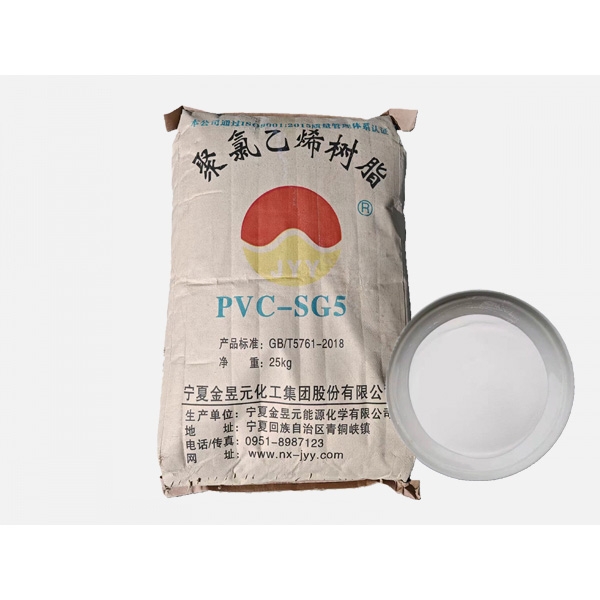
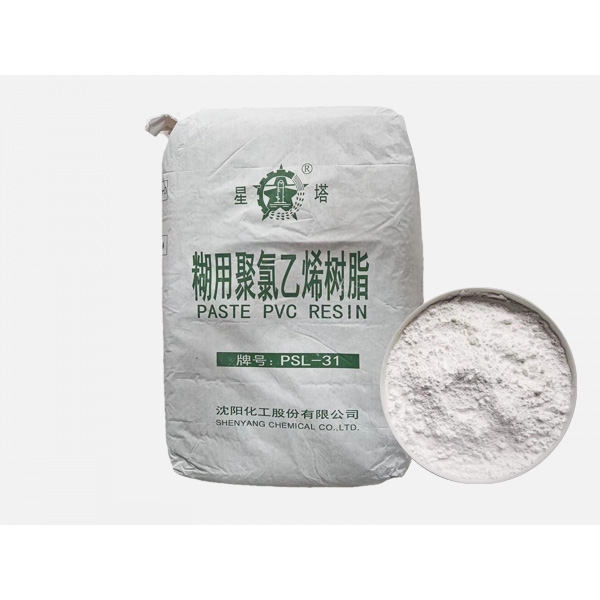
High-pressure industrial systems operate under demanding conditions where materials must withstand continuous mechanical stress, pressure fluctuations, temperature changes, chemical exposure, and long operating cycles. Whether used in fluid transportation, chemical processing, water treatment, industrial equipment, or specialized infrastructure, the reliability of every component is essential. PVC compounds can provide an effective material solution when their formulation is carefully designed to deliver the required combination of strength, dimensional stability, chemical resistance, and processing performance. The performance of a high-pressure PVC product begins with the selection of the appropriate PVC resin powder. Resin characteristics such as molecular weight, particle size distribution, bulk density, and fusion behavior can significantly influence the mechanical properties of the finished compound. A properly selected resin provides a stable foundation for producing pipes, fittings, valves, profiles, sheets, and other industrial components that need to maintain their structural integrity under pressure.
Thermal stability is particularly important during the manufacture of high-pressure PVC products. Processing PVC requires elevated temperatures, and excessive thermal exposure can cause degradation, discoloration, and loss of mechanical strength. High-quality heat stabilizers help protect PVC during extrusion and molding by reducing thermal degradation. Proper stabilizer selection allows manufacturers to maintain consistent material properties while improving processing reliability and production efficiency. Mechanical strength is another critical consideration. High-pressure systems can subject components to continuous internal and external forces, making resistance to cracking and deformation essential. The formulation may require carefully selected impact modifiers, processing aids, and other additives to achieve the desired balance between rigidity and toughness. The correct formulation helps products withstand pressure fluctuations and mechanical stresses throughout their service life.
Dimensional stability is equally important in high-pressure applications. Even small changes in diameter, wall thickness, or component geometry can affect system performance and sealing reliability. PVC compounds must therefore be formulated and processed to minimize shrinkage and deformation. Consistent raw materials, controlled fusion, precise extrusion conditions, and effective cooling all contribute to dimensional accuracy. Chemical resistance gives PVC an additional advantage in many industrial pressure systems. High-pressure pipelines and equipment may transport water, acids, alkalis, salts, or other industrial fluids. Unlike many conventional metals, PVC does not rust and offers strong resistance to numerous corrosive substances. This makes properly formulated PVC particularly attractive for chemical handling, wastewater treatment, and industrial fluid transportation systems.
The balance of lubrication is also important when producing high-pressure PVC components. Lubricants help control friction during processing and improve melt flow, but excessive lubrication can interfere with fusion and potentially reduce mechanical performance. A carefully optimized internal and external lubricant system promotes smooth processing while maintaining the strong fusion required for pressure-bearing applications. Long-term environmental exposure must also be considered. Industrial systems may operate outdoors and experience sunlight, humidity, rain, temperature fluctuations, and chemical pollutants. UV stabilizers and suitable additive systems can improve the weatherability of PVC compounds, helping products maintain their mechanical and visual properties during prolonged outdoor service. The formulation should always be matched to the actual operating environment.
For specialized industrial applications, PVC compounds can also be engineered with additional functional characteristics. Flame-retardant formulations may be suitable where fire safety is important, while conductive or anti-static PVC can be developed using conductive carbon black for applications requiring controlled electrical behavior. These specialty formulations demonstrate how PVC can be adapted beyond conventional pressure applications to meet more complex industrial requirements. Processing technology has a direct impact on the final performance of high-pressure PVC products. Even an excellent formulation can produce inferior results if extrusion temperature, screw speed, melt pressure, cooling, or die conditions are poorly controlled. Consistent processing ensures uniform fusion and wall thickness, reducing weak points that could become potential failure locations during operation.
Quality control should therefore extend from raw materials to finished products. Manufacturers can evaluate parameters such as thermal stability, impact resistance, tensile properties, dimensional accuracy, pressure resistance, and chemical compatibility according to the intended application. Batch-to-batch consistency is particularly important for industrial customers because variations in material performance can lead to production problems and unpredictable service life. At Jiangsu Pangrui New Materials Co., Ltd., we provide raw materials and formulation support for manufacturers developing demanding PVC products. Our product portfolio includes PVC resin powder, heat stabilizers, plasticizers, lubricant microsphere foaming agents, optical brighteners, organic and inorganic pigments, conductive carbon black, and ultra-nano conductive carbon black. We also provide formula ratios, technical support, and free samples to help customers evaluate materials and optimize their production processes.