Lightweight PVC Materials for Energy-Efficient Transportation
The transportation industry is undergoing a major transformation as manufacturers strive to improve energy efficiency, reduce emissions, and meet increasingly strict environmental regulations. One of the most effective strategies to achieve these goals is weight reduction. Lighter vehicles require less energy to operate, whether powered by internal combustion engines or electric systems. In this context, lightweight PVC materials have emerged as a valuable solution, offering an ideal balance of strength, flexibility, cost-efficiency, and performance. Weight plays a critical role in transportation efficiency. In conventional vehicles, reducing weight directly improves fuel economy and lowers carbon emissions. In electric vehicles, it extends battery range and enhances overall performance. Every kilogram saved contributes to better energy utilization, making material selection a key factor in modern vehicle design. Lightweight PVC materials help manufacturers achieve these targets without compromising safety or durability, making them increasingly popular across automotive, rail, and other transportation sectors.
One of the main advantages of PVC is its ability to be engineered for both strength and reduced density. Through advanced formulation techniques and the use of foaming agents, PVC can be transformed into lightweight structures with a controlled cellular composition. These microcellular structures reduce material weight while maintaining sufficient mechanical strength and impact resistance. Compared to traditional materials such as metals or solid plastics, lightweight PVC offers significant weight savings along with improved design flexibility. In automotive applications, lightweight PVC is widely used in interior components such as door panels, dashboards, seat coverings, floor layers, and insulation materials. These parts must meet strict requirements for durability, aesthetics, and safety while contributing to overall weight reduction. PVC’s ability to be molded into complex shapes and textures allows manufacturers to achieve both functional and design goals. At the same time, its resistance to moisture, chemicals, and wear ensures long-term performance even under demanding conditions.
Cable insulation and wiring systems also benefit from lightweight PVC materials. Modern vehicles, especially electric and hybrid models, rely on complex electrical systems that require reliable insulation. PVC provides excellent dielectric properties, flame resistance, and flexibility, making it ideal for protecting electrical components. By reducing the weight of insulation materials, manufacturers can further optimize vehicle efficiency without compromising safety. In public transportation systems such as trains and buses, lightweight PVC materials contribute to improved energy efficiency and lower operational costs. Interior panels, flooring systems, wall coverings, and seating components made from PVC help reduce the overall weight of the vehicle, leading to lower energy consumption during operation. Additionally, PVC’s durability and ease of maintenance make it a practical choice for high-traffic environments where long service life is essential.
Another important benefit of lightweight PVC is its role in improving thermal and acoustic insulation. The microcellular structure of foamed PVC materials provides excellent insulation properties, helping maintain comfortable interior temperatures and reducing noise levels inside vehicles. This not only enhances passenger comfort but also reduces the energy required for heating and cooling systems, further improving overall efficiency. Sustainability is a key driver behind the adoption of lightweight materials in transportation, and PVC aligns well with these goals. Its long lifespan reduces the need for frequent replacement, while its recyclability supports circular economy practices. Lightweight PVC components also reduce fuel or energy consumption over the vehicle’s lifetime, contributing to lower greenhouse gas emissions. With ongoing advancements in eco-friendly additives and formulations, PVC continues to evolve as a more sustainable material choice.
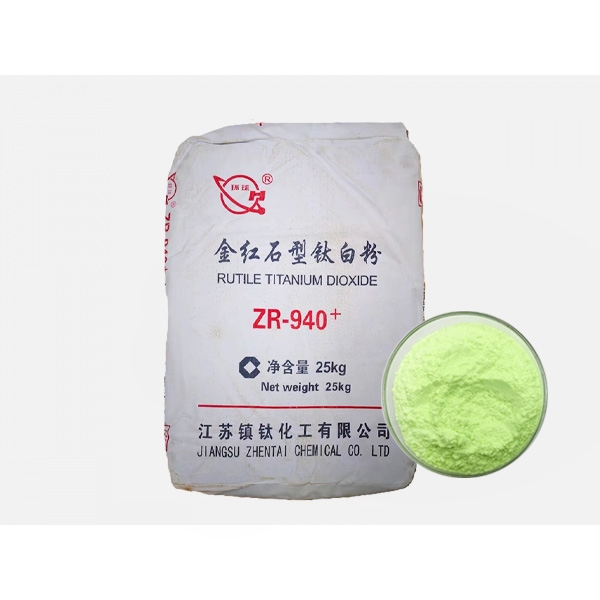
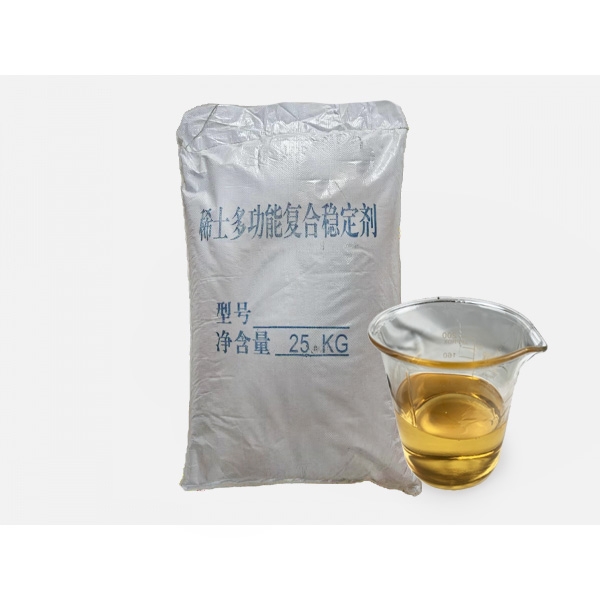
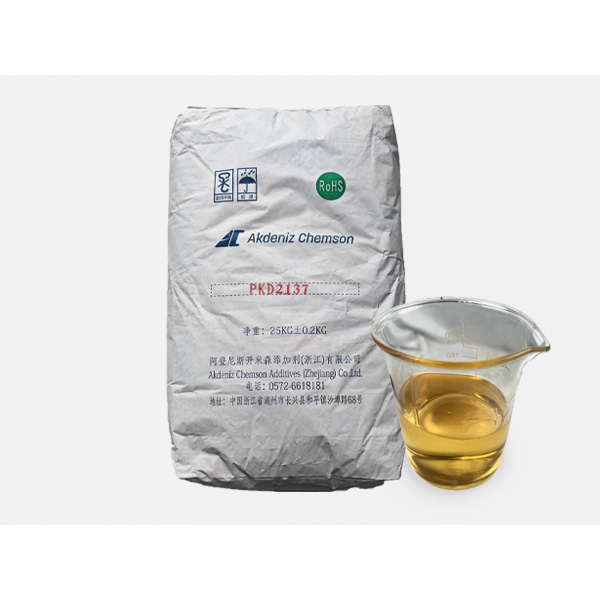
Customization is essential in developing lightweight PVC solutions for transportation. Different applications require specific combinations of strength, flexibility, density, and surface quality. By adjusting formulations using additives such as heat stabilizers, plasticizers, lubricants, pigments, and foaming agents, manufacturers can create materials tailored to precise requirements. This flexibility allows PVC to meet the diverse needs of various transportation systems. At Jiangsu Pangrui New Materials Co., Ltd., we support the development of lightweight PVC materials by providing high-quality PVC resin powder, lubricant microsphere foaming agents, heat stabilizers, and other essential additives. Through optimized formula ratios and technical support, we help customers achieve the right balance between weight reduction, performance, and processing efficiency. Our solutions enable manufacturers to produce advanced materials that meet the demands of modern transportation systems.
As the global transportation industry continues to move toward energy efficiency and sustainability, lightweight materials will play an increasingly important role. PVC, with its adaptability, performance, and cost advantages, is well positioned to support this transition. By enabling lighter, more efficient, and more durable vehicle components, lightweight PVC materials are helping shape the future of transportation while contributing to a cleaner and more energy-efficient world.