Flame-Retardant PVC: Meeting Global Safety Standards
Fire safety has become one of the most critical considerations in modern material engineering, especially in industries such as construction, electronics, automotive, and infrastructure. As buildings become more complex and electrical systems more integrated, the risk of fire-related hazards increases. To address these concerns, flame-retardant PVC has emerged as a key material that helps manufacturers meet strict international safety regulations while maintaining performance and durability. By combining the natural advantages of PVC with specialized additives, flame-retardant formulations provide an effective solution for reducing fire risks in a wide range of applications. PVC already possesses inherent flame-resistant characteristics compared to many other plastics. Because of its chlorine content, PVC tends to resist ignition and can self-extinguish when the external flame source is removed. However, in demanding environments where higher fire safety standards are required, enhanced flame-retardant formulations are necessary. By integrating advanced stabilizers, flame-retardant additives, and carefully balanced formulations, PVC materials can achieve improved fire resistance, reduced smoke generation, and better thermal stability.
Flame-retardant PVC is widely used in electrical and electronic applications, where fire prevention is essential for safety. Cable insulation and wire coverings made from flame-retardant PVC help prevent fire spread in buildings, industrial equipment, and communication networks. Electrical cables often operate under high temperatures or in confined spaces where heat buildup can occur. Using flame-retardant PVC ensures that even in extreme conditions, the material can resist ignition and slow the spread of flames, providing valuable time for detection and response in emergency situations. In the construction industry, flame-retardant PVC contributes significantly to building safety. Materials such as wall coverings, window profiles, flooring systems, roofing membranes, and insulation components must comply with fire safety regulations in many countries. Flame-retardant PVC helps limit fire propagation within buildings and supports compliance with international safety codes. Its durability and resistance to moisture and chemicals make it suitable for both interior and exterior construction applications, ensuring long-term safety without compromising performance.
Another important advantage of flame-retardant PVC is its role in transportation and automotive industries. Modern vehicles contain a large number of electronic systems, wiring networks, and interior materials that must meet strict fire safety standards. Flame-retardant PVC compounds are used in wire harnesses, cable insulation, interior panels, and protective coverings. These materials help minimize the risk of fire caused by electrical faults, overheating, or mechanical damage. As electric vehicles become more common, the importance of flame-retardant materials in battery systems and power cables continues to grow. Meeting global safety standards requires precise formulation and rigorous testing. Flame-retardant PVC must comply with internationally recognized standards such as UL, RoHS, REACH, and various regional fire safety regulations. These standards evaluate properties such as flame spread resistance, heat release, smoke density, and toxicity. Manufacturers must carefully balance flame-retardant additives with other components such as stabilizers, plasticizers, and lubricants to ensure that the final material maintains mechanical strength, flexibility, and processability while meeting fire performance requirements.
One of the challenges in developing flame-retardant PVC is maintaining material performance while enhancing fire resistance. Excessive flame-retardant additives can affect flexibility, color stability, or processing behavior. Achieving the right balance requires expertise in material science and formulation design. Advanced additive technologies allow manufacturers to improve fire resistance without sacrificing durability or manufacturing efficiency. Environmental considerations also play an important role in modern flame-retardant PVC development. Traditional flame-retardant systems sometimes relied on additives that raised environmental or health concerns. Today, the industry is shifting toward safer, more environmentally responsible solutions that meet global regulatory standards. Halogen-free systems, improved stabilizers, and optimized additive combinations help reduce environmental impact while maintaining high safety performance.
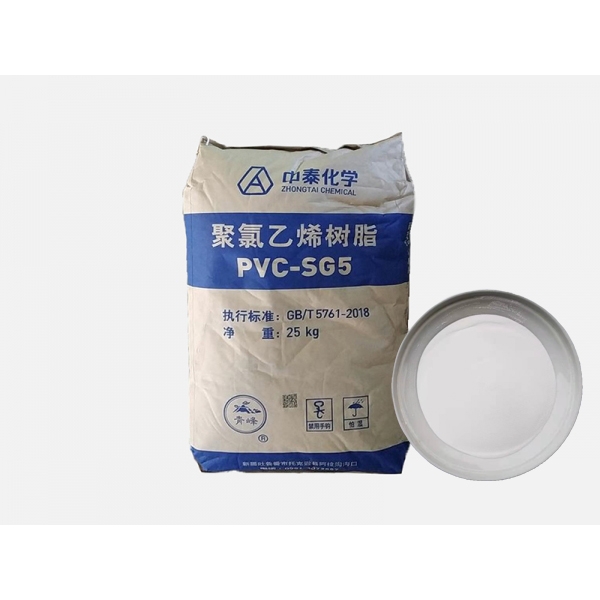
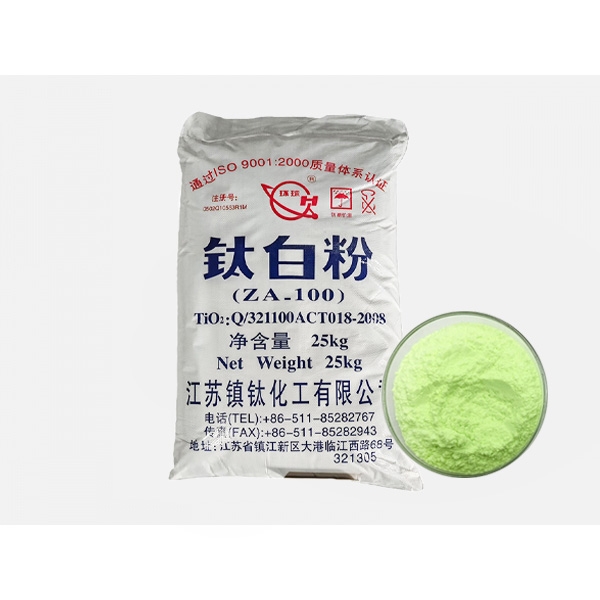
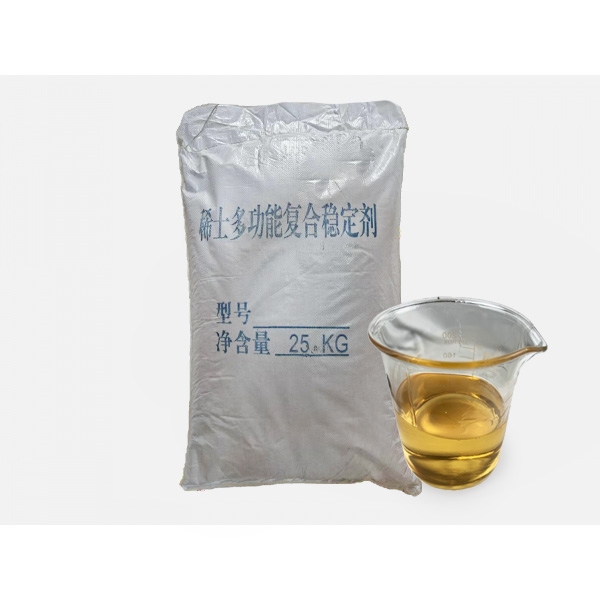
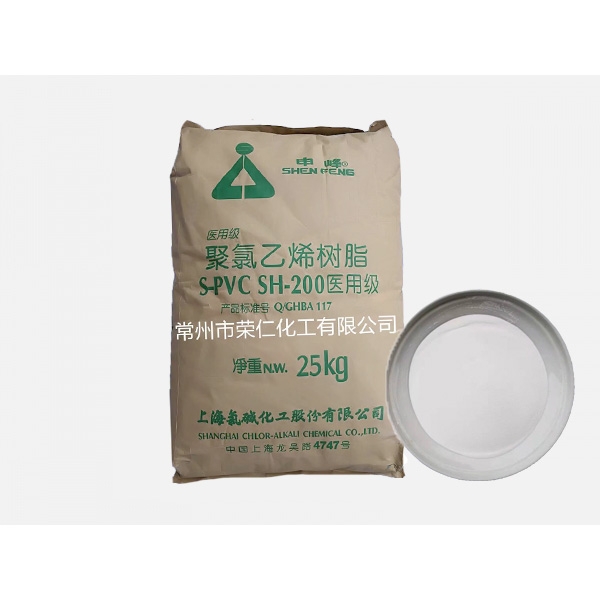
At Jiangsu Pangrui New Materials Co., Ltd., the development of high-performance PVC formulations focuses on both safety and innovation. By supplying high-quality PVC resin powder, heat stabilizers, plasticizers, pigments, and specialized additives, the company helps manufacturers produce materials that meet strict fire safety requirements. Through optimized formula ratios, technical support, and sample testing, Pangrui assists customers in achieving reliable flame-retardant performance across diverse applications. Quality control remains essential in flame-retardant material production. Each stage—from raw material selection to final product testing—must be carefully monitored to ensure consistent performance. Testing procedures evaluate flame resistance, thermal stability, and mechanical strength to verify that materials meet both regulatory and customer expectations. This comprehensive approach ensures that flame-retardant PVC products perform reliably in real-world environments.
As global industries continue to prioritize safety, flame-retardant PVC will play an increasingly important role in protecting infrastructure, equipment, and human lives. By combining natural fire resistance with advanced additive technologies, PVC can meet the demanding safety standards required in today’s world. With continuous innovation and responsible manufacturing practices, flame-retardant PVC remains a vital material for creating safer and more resilient products across industries.