How Lubricant Microsphere Foaming Agents Enhance PVC Performance
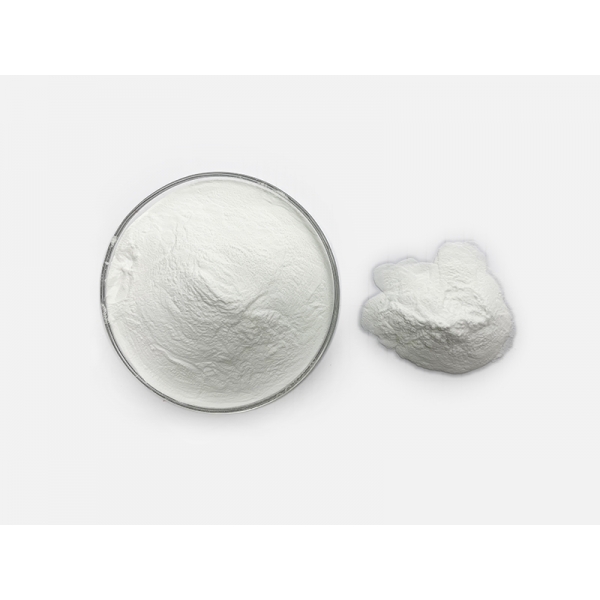
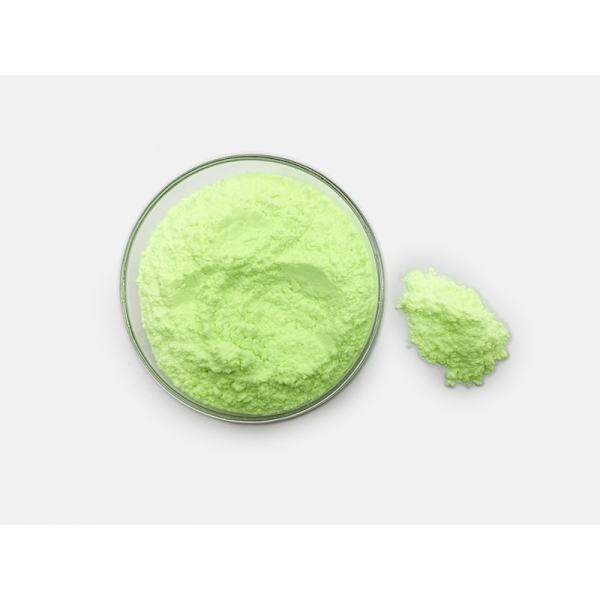
In modern PVC processing, performance is no longer judged solely by strength or appearance. Manufacturers are increasingly seeking materials that are lightweight, cost-efficient, energy-saving, and easy to process without sacrificing durability. One innovation helping achieve this balance is the lubricant microsphere foaming agent. By integrating both lubrication and foaming functions into PVC formulations, these advanced additives significantly enhance material performance and production efficiency. Foaming technology in PVC is designed to introduce a controlled cellular structure within the material. Traditional solid PVC products are strong but relatively dense, which can increase material costs and product weight. Lubricant microsphere foaming agents create uniform microcells throughout the PVC matrix, reducing density while maintaining structural integrity. The result is a lighter product with improved insulation properties and optimized material usage. This is particularly beneficial in applications such as construction panels, decorative boards, cable insulation, and lightweight profiles.
The “microsphere” component plays a crucial role in performance enhancement. These microscopic expandable spheres contain gas-forming materials that activate under specific processing temperatures. When heated during extrusion or molding, the microspheres expand evenly, forming a fine and consistent foam structure. This uniformity prevents surface defects and ensures mechanical stability. Unlike traditional chemical foaming agents that may produce uneven bubbles, microsphere technology allows for precise control of cell size and distribution, resulting in smoother surfaces and better dimensional accuracy. In addition to weight reduction, foamed PVC offers improved thermal and acoustic insulation. The air trapped within the microcells acts as a natural insulator, reducing heat transfer and sound transmission. This makes foamed PVC materials ideal for building and construction applications where energy efficiency and comfort are important. Window profiles, wall panels, flooring underlayers, and roofing materials benefit from enhanced insulation performance while remaining durable and weather-resistant.
The lubrication function of the additive is equally important. During PVC processing, friction between material and machinery can affect melt flow, surface finish, and overall productivity. The lubricant component reduces internal and external friction, ensuring smoother processing and stable extrusion. This improves melt uniformity, prevents sticking to equipment surfaces, and reduces wear on machinery. As a result, manufacturers experience improved production efficiency, fewer defects, and longer equipment life. Another major advantage of lubricant microsphere foaming agents is cost optimization. By reducing material density, less raw PVC resin is required to produce the same volume of product. This lowers material consumption without compromising functionality. At the same time, improved processing stability reduces scrap rates and rework, further enhancing cost-effectiveness. For manufacturers facing intense market competition, this combination of performance and cost control provides a strong competitive edge.
Mechanical performance is often a concern when introducing foam structures, but with advanced microsphere technology, PVC maintains sufficient strength for most applications. The fine and evenly distributed cell structure ensures balanced stress distribution within the material. In many cases, foamed PVC products demonstrate excellent impact resistance and dimensional stability while remaining lightweight. The key lies in precise formulation and careful control of expansion rates during processing. Environmental benefits also contribute to the growing adoption of this technology. Lightweight products reduce transportation emissions, and lower raw material consumption decreases overall resource demand. Additionally, improved insulation performance helps reduce energy use in buildings and infrastructure applications. These factors align well with global sustainability trends and industry efforts to reduce carbon footprints.
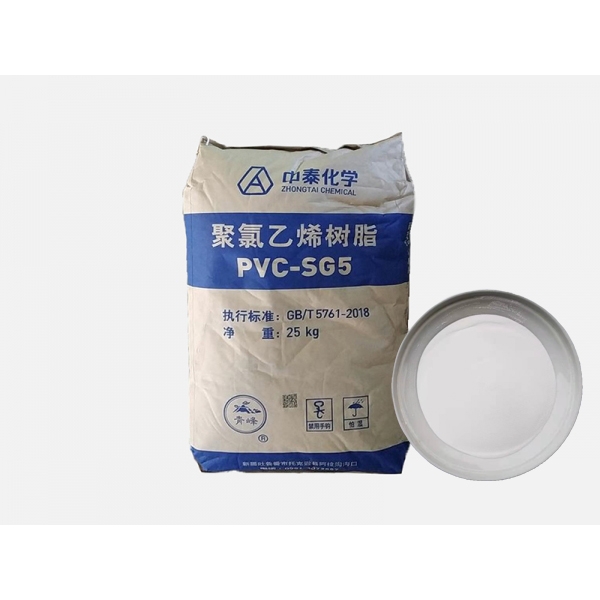
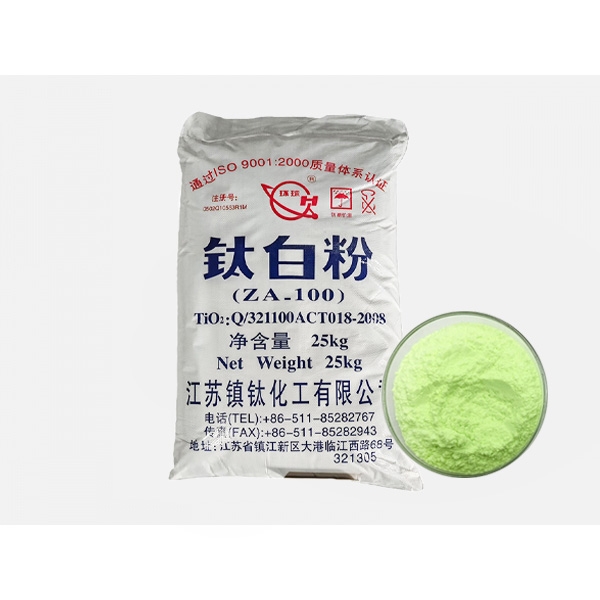
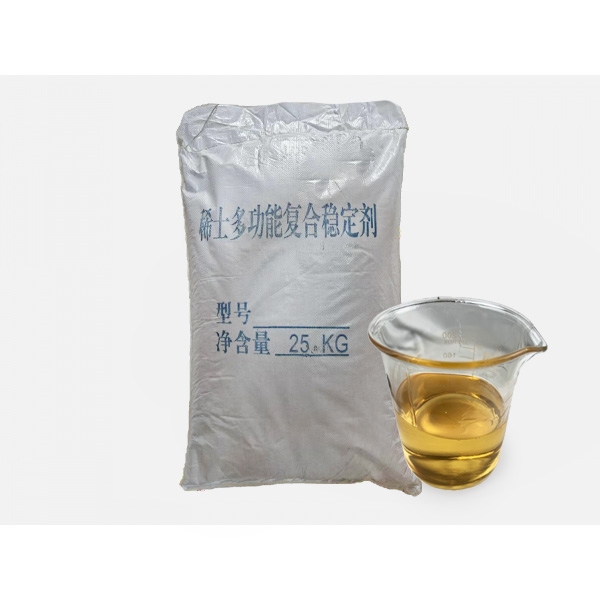
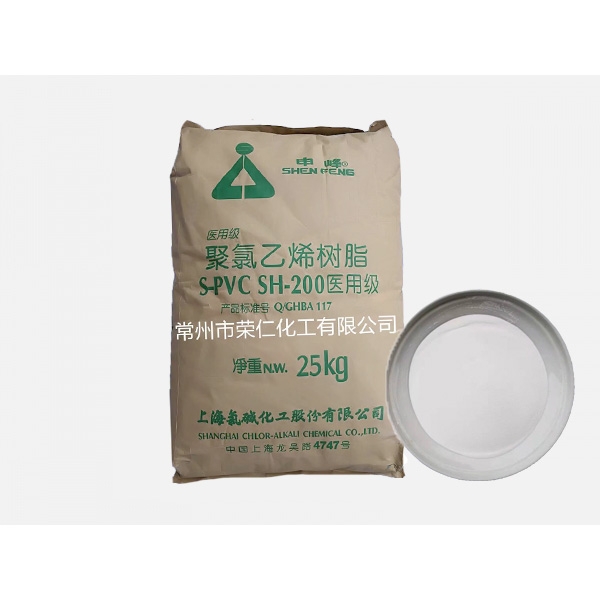
Customization remains essential when using lubricant microsphere foaming agents. Different applications require specific density levels, cell structures, and mechanical properties. Proper dosage, compatibility with stabilizers and plasticizers, and optimized processing conditions are all critical factors. Through formula refinement and testing, manufacturers can achieve the ideal balance between expansion ratio, strength, and surface quality. At Jiangsu Pangrui New Materials Co., Ltd., we provide advanced lubricant microsphere foaming agents alongside high-quality PVC resin powder, heat stabilizers, pigments, and other additives. By offering optimized formula ratios and technical support, we help customers achieve lightweight, high-performance PVC products with stable processing characteristics. Our focus on innovation and quality ensures that foamed PVC materials meet both functional and economic requirements.
As industries continue to demand materials that are lighter, more efficient, and environmentally responsible, lubricant microsphere foaming agents are becoming an essential component of modern PVC formulation. By combining weight reduction, improved insulation, enhanced processing stability, and cost savings, this advanced technology unlocks new possibilities for PVC applications across construction, automotive, packaging, and industrial sectors.