Common PVC Processing Problems and Practical Solutions
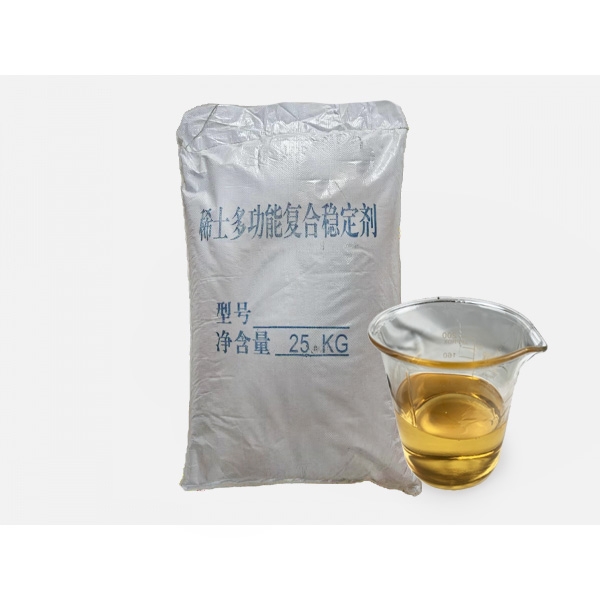
PVC is widely used in extrusion, injection molding, calendaring, and other manufacturing processes because of its versatility and cost-effectiveness. However, achieving stable production is not always straightforward. PVC is sensitive to heat and requires a carefully balanced formulation and controlled processing environment. Problems such as discoloration, poor fusion, surface defects, unstable dimensions, and low mechanical strength can occur when raw materials, additives, equipment settings, or processing conditions are not properly matched. Understanding these common problems and their practical solutions can help manufacturers improve productivity and reduce material waste. One of the most common PVC processing problems is discoloration. PVC can gradually change from its original color to yellow, brown, or even dark shades when exposed to excessive heat or prolonged processing. This is usually associated with thermal degradation caused by insufficient stabilization, excessive processing temperature, or excessive residence time. Using an appropriate heat stabilizer system is one of the most effective solutions. Manufacturers should also optimize barrel temperature profiles, screw speed, and residence time to minimize unnecessary thermal stress.
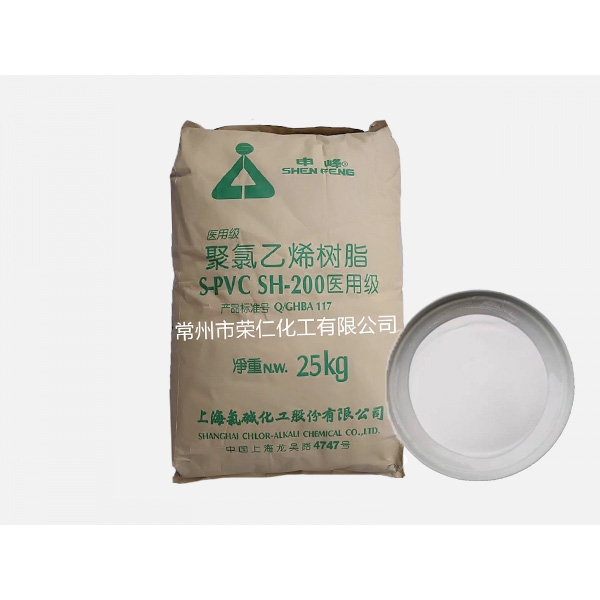
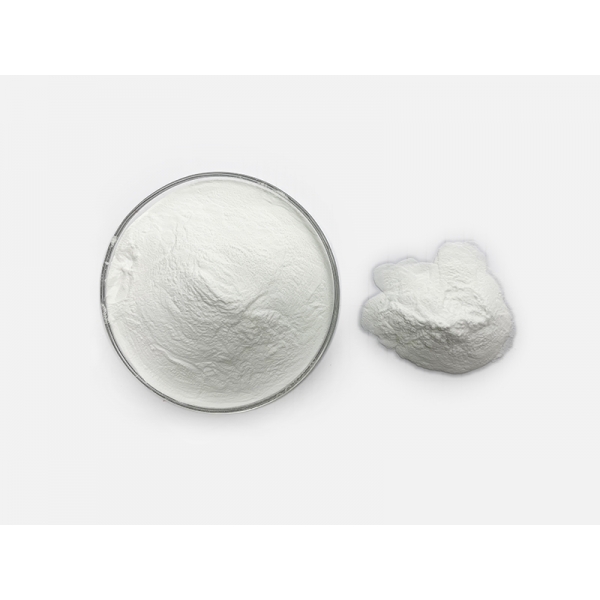
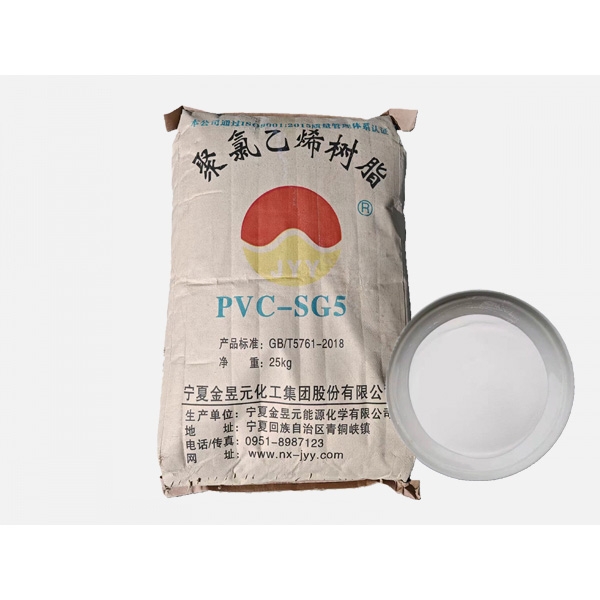
Poor fusion is another frequent problem, particularly in extrusion and calendaring applications. If PVC particles do not fuse properly, the finished product may have weak mechanical properties, rough surfaces, or inconsistent appearance. Poor fusion can result from unsuitable resin characteristics, insufficient processing temperature, excessive lubrication, or inadequate shear. Selecting the correct PVC resin powder and optimizing the balance between internal and external lubricants can significantly improve fusion quality. Excessive lubrication can itself create processing problems. Lubricants are essential for controlling friction and improving material flow, but too much lubricant may prevent PVC particles from fusing properly. The result can be reduced strength, poor surface bonding, and unstable extrusion. The solution is not simply to eliminate lubricants but to optimize the formulation so that internal and external lubrication remain balanced according to the processing method and product requirements.
Surface roughness and poor appearance can occur when melt flow is unstable or the die and processing equipment are not properly maintained. Contamination, incorrect temperature settings, inadequate fusion, or poor additive dispersion may also contribute to surface defects. Manufacturers can address these issues by cleaning equipment regularly, maintaining consistent temperatures, checking die conditions, and ensuring that additives are evenly distributed throughout the PVC compound. Dimensional instability is another challenge in PVC extrusion. Products such as pipes, profiles, and sheets must maintain precise dimensions throughout production. Uneven cooling, unstable melt pressure, incorrect die settings, and inconsistent material flow can cause variations in thickness or shape. Improving calibration and cooling systems, stabilizing extrusion pressure, and maintaining consistent raw material quality can help achieve better dimensional accuracy.
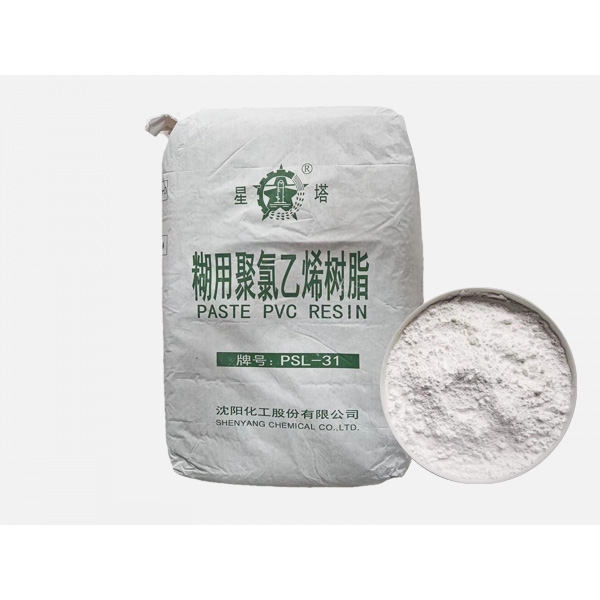
Bubbles and voids may appear in PVC products when unwanted moisture, trapped air, volatile substances, or poor compaction are present. Although PVC itself has relatively low moisture absorption, additives and other formulation components can introduce moisture into the production system. Proper storage of raw materials, effective mixing, and appropriate venting can reduce the risk of bubbles and internal voids. Maintaining clean and properly configured equipment is also important. Black spots and contamination are particularly problematic in light-colored or high-quality PVC products. These defects can result from degraded material remaining inside the processing equipment, contaminated raw materials, or excessive thermal exposure. Regular equipment cleaning and purging can prevent degraded PVC from accumulating in the barrel, screw, or die. Consistent raw material quality is equally important for maintaining a clean production environment.
Poor impact resistance may occur when a rigid PVC product is exposed to mechanical stress or low temperatures. In some cases, the resin grade may not be appropriate for the application, while insufficient impact modification can also contribute to brittleness. Manufacturers can improve toughness by selecting suitable PVC resin grades and incorporating compatible impact modifiers while maintaining the required rigidity and dimensional stability. Another common issue is inconsistent color. Variations may occur because of uneven pigment dispersion, differences in raw material batches, or unstable processing conditions. Organic and inorganic pigments must be properly dispersed to achieve uniform coloration. Optical brighteners may also be used in selected formulations to improve whiteness and brightness. Maintaining consistent additive ratios and mixing conditions helps ensure that production batches have the same visual characteristics.
In flexible PVC applications, excessive plasticizer migration can cause changes in flexibility, surface appearance, or long-term performance. The selection of compatible plasticizers and proper formulation design are therefore essential. Manufacturers should consider the intended temperature range, chemical exposure, and service conditions when choosing a plasticizer system. A balanced formulation helps maintain flexibility while reducing the risk of migration and performance loss. Processing defects can also originate from incorrect screw speed or production rate. Increasing production speed may improve output, but excessive speed can increase shear, heat generation, and melt instability. Reducing the speed slightly and adjusting temperature and pressure conditions can often restore stable processing. The objective should be to identify the most efficient operating range rather than simply maximizing machine speed.