How PVC Supports the Growth of Electric Vehicle Technologies
The rapid growth of the electric vehicle (EV) industry is transforming the global transportation landscape. As manufacturers strive to improve vehicle efficiency, driving range, safety, and sustainability, material selection has become a critical factor in vehicle design. While advanced batteries and electronic systems often receive the most attention, PVC remains one of the essential materials supporting modern EV development. Its versatility, durability, lightweight properties, and excellent electrical performance make it a valuable material in numerous electric vehicle components. One of the most important applications of PVC in electric vehicles is cable insulation. EVs require extensive wiring systems to connect batteries, motors, charging systems, sensors, and electronic control units. These cables must withstand high voltages, temperature variations, vibration, and continuous operation while maintaining excellent electrical insulation. PVC provides reliable dielectric properties, flexibility, and durability, making it a trusted material for power cables, communication wires, and protective cable jackets throughout the vehicle.
Battery systems are another area where PVC contributes significantly to EV performance. Battery packs contain numerous electrical components that require effective insulation and protection against moisture, dust, and mechanical damage. PVC is commonly used for protective sleeves, insulation layers, cable management systems, and various non-structural components surrounding battery assemblies. Its chemical resistance and long-term stability help improve the reliability and safety of battery systems operating under demanding conditions. Lightweight construction is a major objective in electric vehicle design because reducing vehicle weight directly improves driving range and energy efficiency. Compared with many traditional materials, PVC offers an excellent balance between strength and weight. Flexible and rigid PVC components can replace heavier alternatives in selected interior and exterior applications without sacrificing performance. This contributes to lower energy consumption while supporting overall vehicle efficiency.
Modern electric vehicles also rely heavily on sophisticated electronic systems. Advanced driver assistance systems, infotainment platforms, charging controls, sensors, and communication networks all require reliable electrical protection. PVC's excellent insulation properties help safeguard these electronic systems from electrical interference and environmental exposure. In specialized applications, conductive PVC compounds containing conductive carbon black can provide anti-static protection for sensitive electronic components and manufacturing environments. Durability is another reason PVC remains important in EV manufacturing. Vehicles operate under a wide range of environmental conditions, including high humidity, temperature fluctuations, ultraviolet exposure, road salt, oils, and chemicals. Properly formulated PVC materials resist weathering, corrosion, and chemical attack, helping maintain long-term performance in demanding automotive environments. This durability reduces maintenance requirements and supports longer component service life.
Passenger comfort is also enhanced by PVC materials. Flexible PVC is widely used for interior trim, floor coverings, door panels, protective coatings, and decorative components. Modern PVC formulations provide attractive surface finishes, excellent wear resistance, and easy cleaning while meeting strict automotive quality standards. Improved formulation technologies also help reduce odor and improve surface quality, creating a more comfortable driving experience. Charging infrastructure represents another growing market supported by PVC technology. As EV adoption expands worldwide, charging stations require durable cable insulation, conduit systems, protective covers, and electrical components capable of withstanding outdoor conditions. PVC's combination of electrical insulation, weather resistance, and processing flexibility makes it well suited for charging equipment that must perform reliably over many years of operation.
Manufacturing efficiency is equally important in the automotive industry. PVC materials are compatible with high-volume production methods such as extrusion, injection molding, and calendaring, allowing manufacturers to produce components efficiently and consistently. Customized formulations can be developed to meet precise automotive specifications, ensuring that each component satisfies performance, safety, and regulatory requirements while maintaining cost-effective production. Sustainability continues to influence EV material development, and PVC technology has evolved to support these goals. Manufacturers are improving recyclable formulations, developing environmentally friendly additive systems, and optimizing production efficiency to reduce material waste. The long service life of PVC components also contributes to sustainability by reducing replacement frequency and lowering overall resource consumption throughout the vehicle's lifecycle.
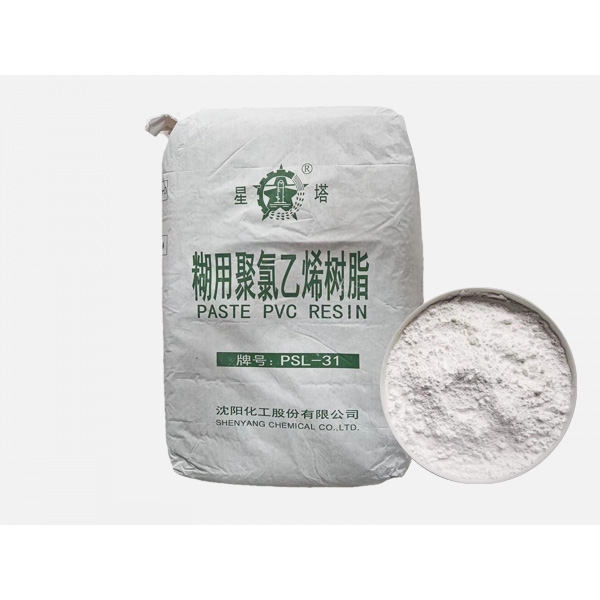
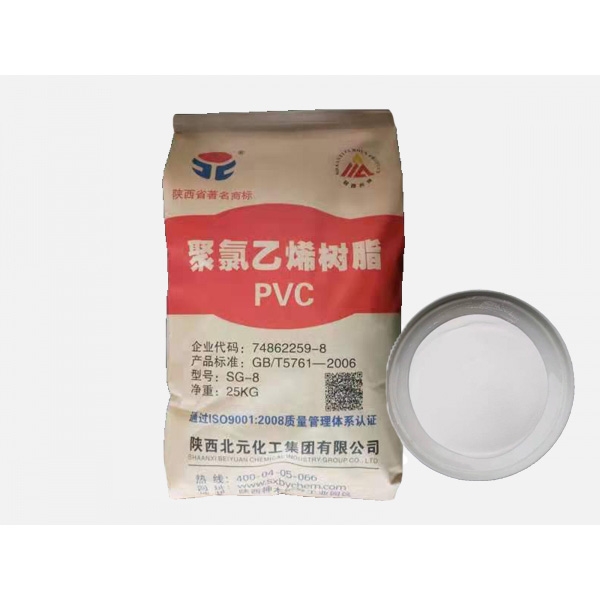
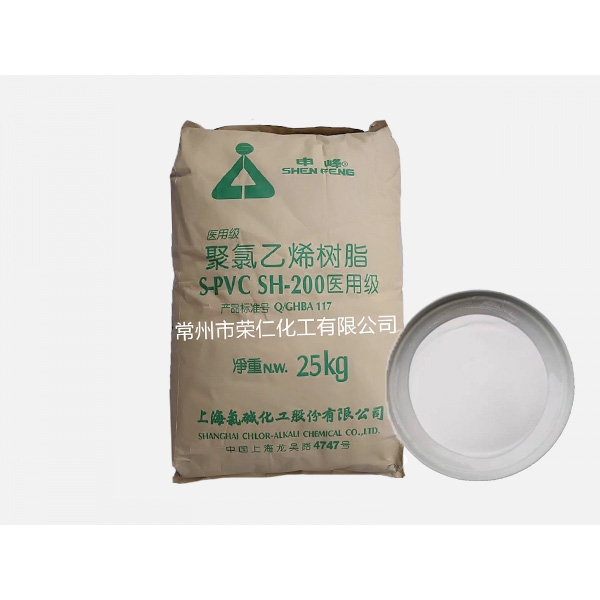
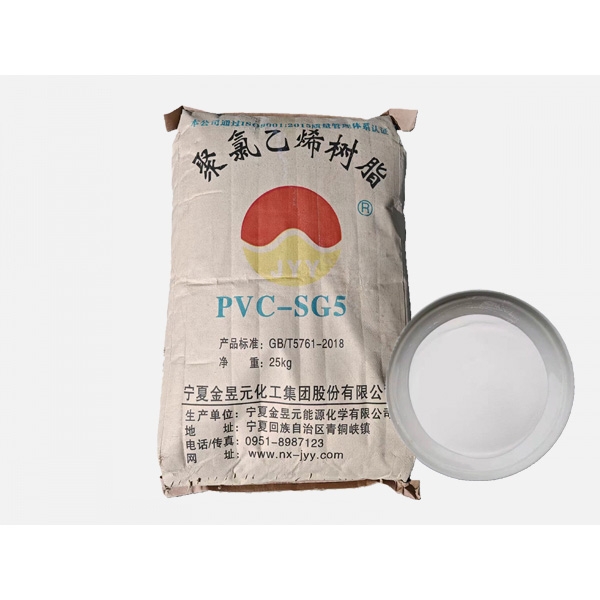
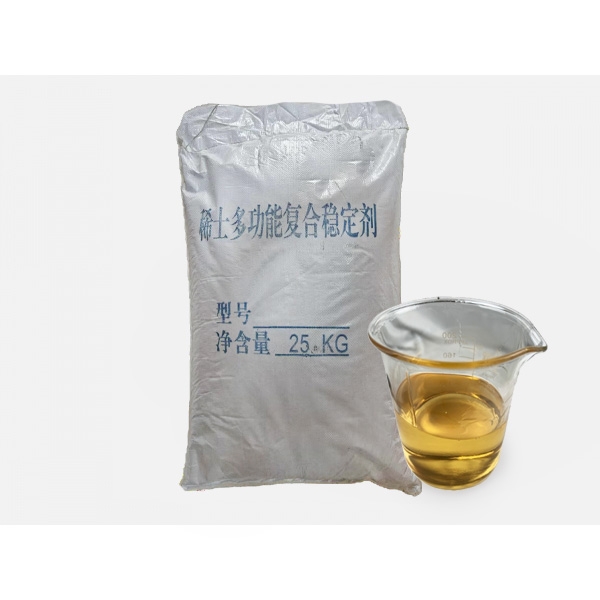
At Jiangsu Pangrui New Materials Co., Ltd., we provide comprehensive PVC material solutions that support the evolving needs of the electric vehicle industry. Our product portfolio includes high-quality PVC resin powder, heat stabilizers, plasticizers, lubricant microsphere foaming agents, optical brighteners, organic and inorganic pigments, conductive carbon black, and ultra-nano conductive carbon black. We also offer customized formula ratios, technical support, and free sample assistance to help manufacturers develop high-performance PVC compounds tailored to automotive applications. As electric vehicle technologies continue to advance, the demand for reliable, lightweight, and high-performance materials will continue to grow. PVC remains an essential part of this transformation by providing durable insulation, chemical resistance, design flexibility, and efficient processing capabilities. Through continuous innovation in material science and formulation technology, PVC will continue to support safer, more efficient, and more sustainable electric vehicles for the future.