Why PVC Remains the Material of Choice for Industrial Applications
PVC (Polyvinyl Chloride) has remained one of the most widely used industrial materials for decades because of its exceptional balance of performance, versatility, durability, and cost-effectiveness. From construction and electrical systems to chemical processing, automotive components, and industrial equipment, PVC continues to provide reliable solutions for demanding applications. While many new materials have entered the market, PVC maintains its strong position because it can be customized to meet diverse performance requirements through advanced formulation technologies. One of the primary reasons PVC remains popular in industrial applications is its excellent durability. Industrial environments often expose materials to moisture, chemicals, temperature changes, mechanical stress, and long-term wear. PVC offers strong resistance against many of these challenges, allowing products to maintain their performance over extended periods. Whether used in piping systems, protective coverings, cable insulation, or industrial profiles, PVC provides reliable service life with minimal maintenance requirements.
Chemical resistance is another major advantage of PVC. Many industrial processes involve contact with acids, alkalis, salts, and other corrosive substances that can damage traditional materials such as metals. PVC’s inherent resistance to many chemicals makes it an ideal choice for chemical handling systems, wastewater treatment equipment, storage tanks, and industrial pipelines. This corrosion resistance helps reduce equipment failures, maintenance costs, and operational interruptions. PVC’s versatility is one of its greatest strengths. Unlike many materials that are limited to specific applications, PVC can be engineered into both rigid and flexible forms. Rigid PVC is widely used for pipes, profiles, sheets, and structural components where strength and dimensional stability are required. Flexible PVC is used for applications such as cables, films, flooring, tubing, and protective materials where softness and adaptability are important. This flexibility allows manufacturers to develop solutions for a wide range of industries.
Another important factor behind PVC’s success is its excellent processing performance. PVC can be manufactured through various techniques, including extrusion, injection molding, calendaring, and coating. Its compatibility with a wide range of additives allows manufacturers to adjust properties such as hardness, flexibility, thermal stability, color, conductivity, and flame resistance. This adaptability enables efficient mass production while meeting specific customer requirements. Thermal stability is a critical consideration in industrial applications, and heat stabilizers play an important role in improving PVC performance. During processing, PVC materials are exposed to elevated temperatures that can cause degradation if not properly controlled. Advanced heat stabilizer systems help protect the polymer structure, maintain color consistency, and improve long-term durability. By optimizing stabilizer selection and formulation design, manufacturers can produce PVC materials suitable for demanding environments.
PVC also provides excellent electrical insulation properties, making it essential in electrical and electronic industries. Cable insulation, wire protection systems, electrical conduits, and equipment components often rely on PVC because of its resistance to moisture, chemicals, and electrical current. Conductive PVC formulations containing conductive carbon black can further expand PVC applications by providing anti-static and electrical conductivity properties for specialized industrial uses. Cost efficiency is another reason PVC remains a preferred industrial material. Compared with many alternative materials, PVC offers a favorable balance between performance and production cost. Its lightweight nature reduces transportation and installation expenses, while its durability reduces replacement frequency. The combination of lower lifecycle costs and reliable performance makes PVC an attractive choice for manufacturers and end users.
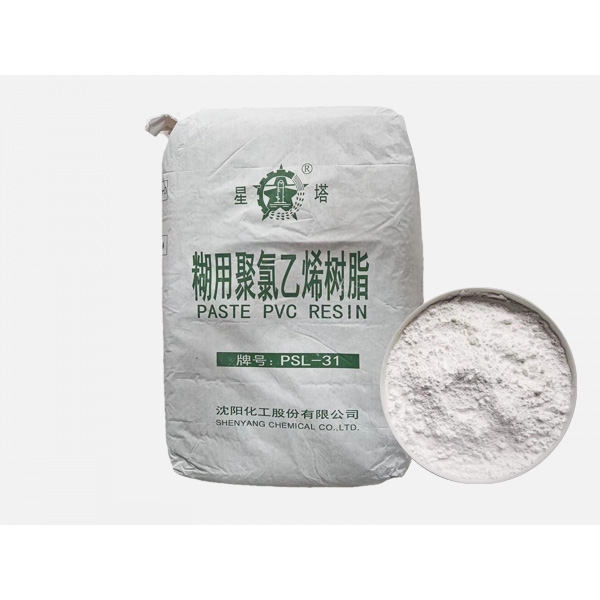
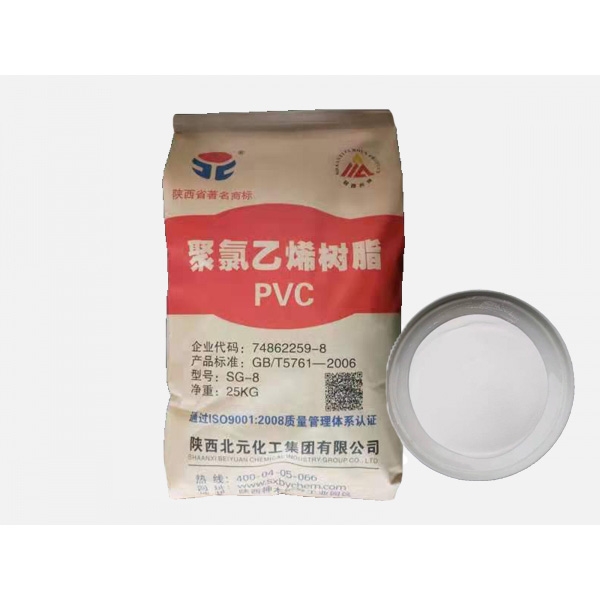
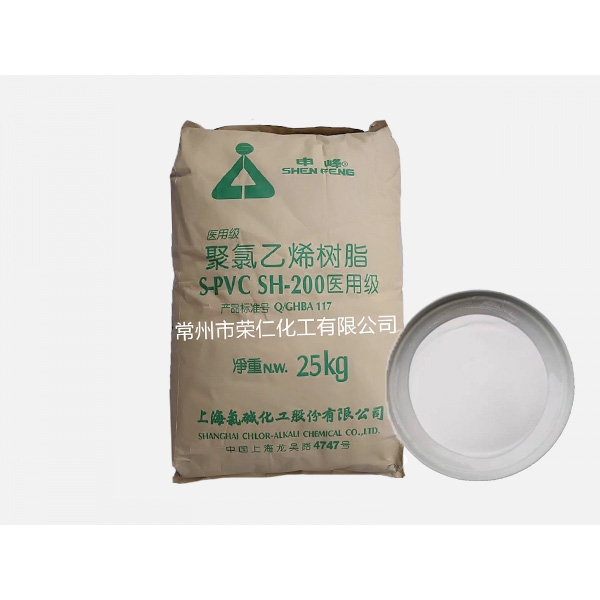
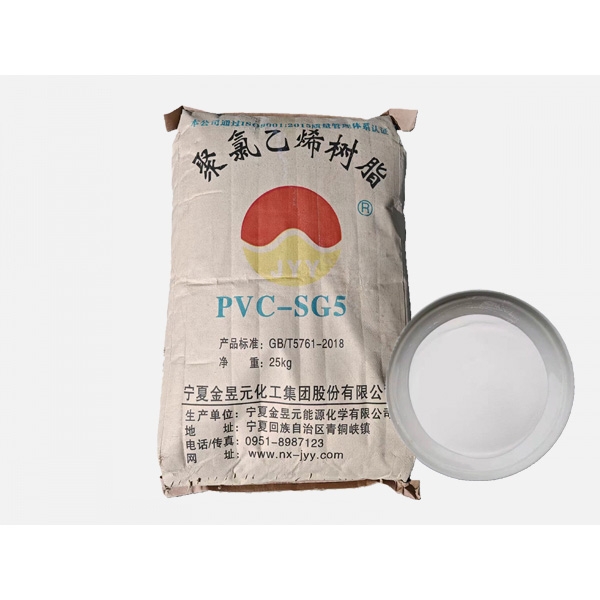
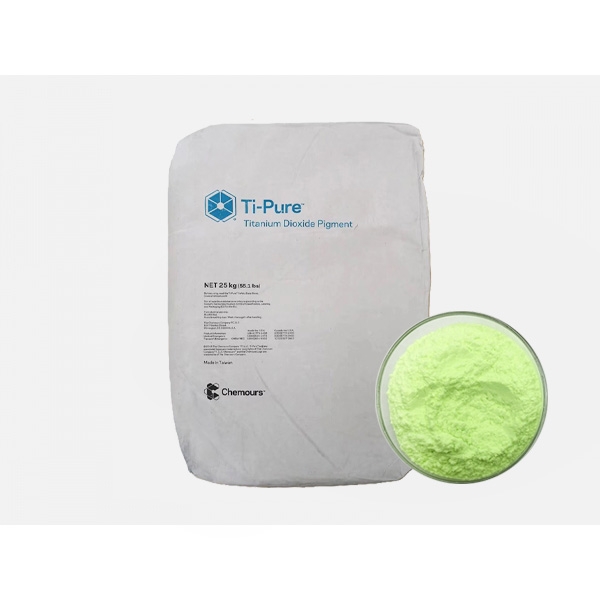
Environmental performance has also become an important factor in modern material selection. Advances in PVC technology have improved resource efficiency, recycling capabilities, and production processes. PVC products often have long service lives, reducing the need for frequent replacement and lowering overall material consumption. Additionally, manufacturers are developing improved additive systems and recycling solutions to support more sustainable PVC applications. Customization capability further strengthens PVC’s position in industrial markets. Different industries require different material characteristics, and PVC formulations can be precisely adjusted to achieve specific goals. For example, construction materials may require weather resistance and impact strength, while automotive components may require heat resistance and surface quality. Through customized combinations of PVC resin powder, heat stabilizers, plasticizers, pigments, lubricants, and specialty additives, manufacturers can create materials optimized for each application.
At Jiangsu Pangrui New Materials Co., Ltd., we provide comprehensive PVC material solutions for industrial applications. Our product range includes PVC resin powder, heat stabilizers, lubricant microsphere foaming agents, optical brighteners, organic and inorganic pigments, plasticizers, conductive carbon black, and ultra-nano conductive carbon black. Beyond supplying materials, we provide customized formula ratios, technical support, and free samples to help customers develop efficient and reliable PVC products. Our goal is to help manufacturers improve productivity, enhance product competitiveness, and achieve stable growth through advanced material solutions. As industries continue to demand materials that combine performance, reliability, and economic efficiency, PVC will remain a critical material choice worldwide. Its unique combination of durability, chemical resistance, processability, and customization potential allows it to adapt to changing industrial needs. Through continuous innovation in formulations and production technologies, PVC continues to prove why it remains one of the most trusted materials for modern industrial applications.