How PVC Additives Work Together to Maximize Product Performance
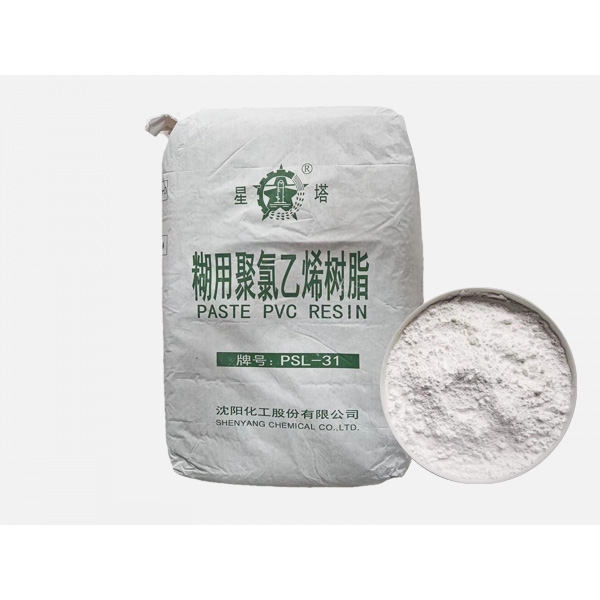
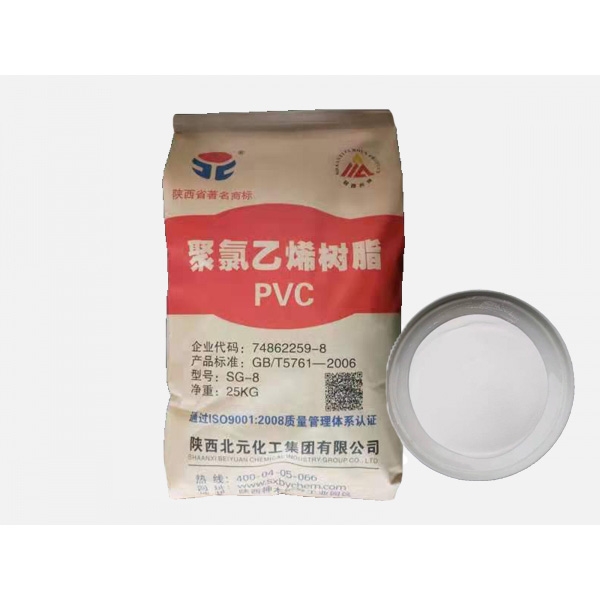
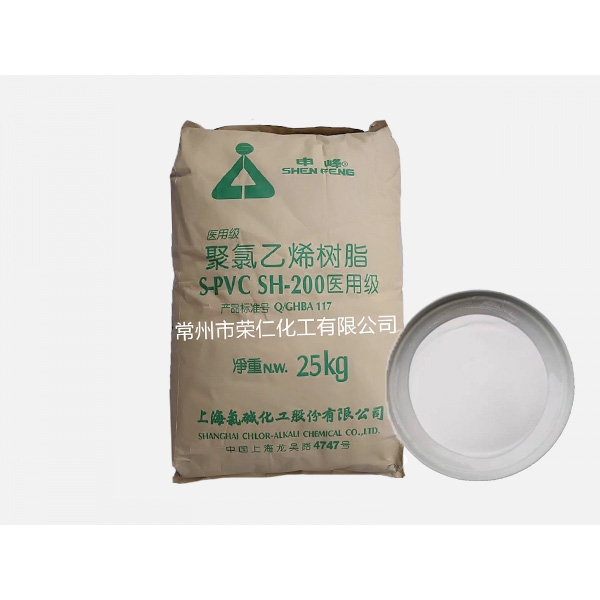
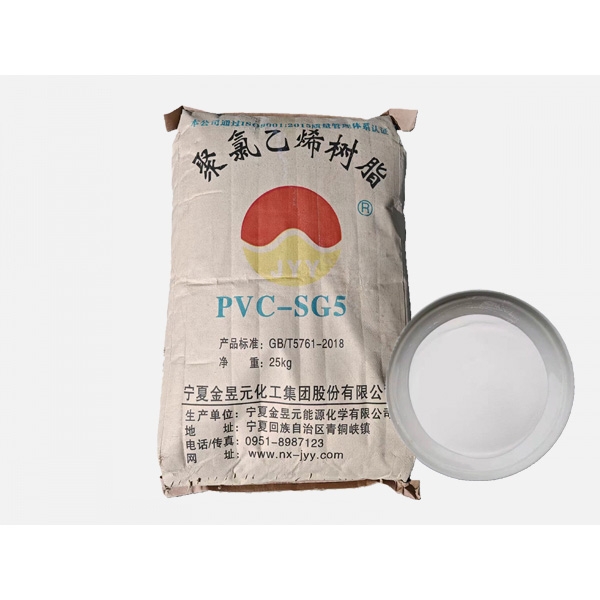
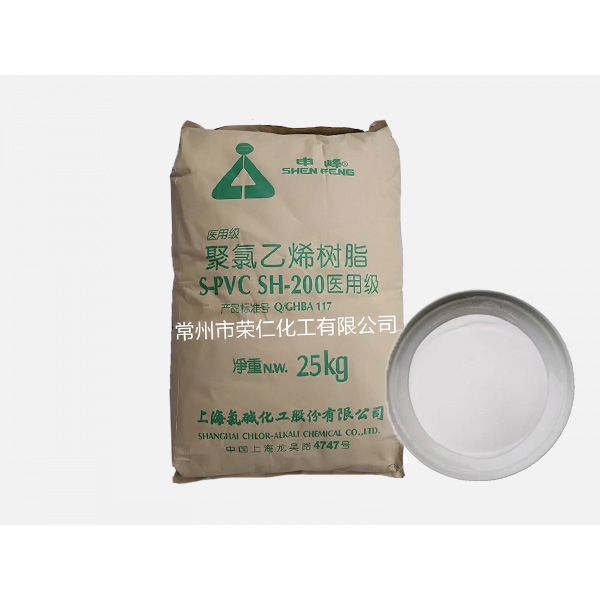
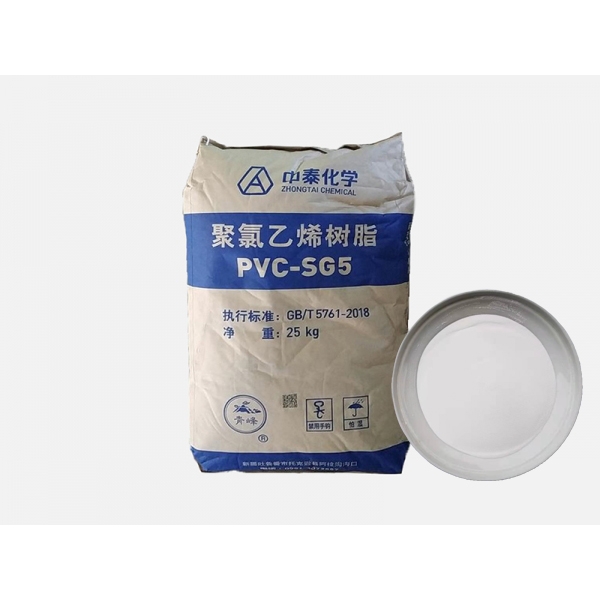
PVC is one of the world's most versatile engineering materials, but its outstanding performance is not achieved by PVC resin alone. The true strength of modern PVC products comes from carefully designed formulations that combine multiple additives, each performing a specific function while complementing the others. Heat stabilizers, plasticizers, lubricants, pigments, impact modifiers, optical brighteners, foaming agents, and other additives work together to create materials that meet the demanding requirements of industries ranging from construction and automotive to healthcare, electronics, and packaging. Understanding how these additives interact is the key to maximizing PVC product performance. Every PVC formulation begins with high-quality PVC resin powder, which serves as the structural foundation of the compound. However, raw PVC is naturally sensitive to heat and has limited processing flexibility. Without additional ingredients, it would be difficult to process and unsuitable for many commercial applications. Carefully selected additives transform PVC into a material that can be customized for thousands of different products with unique mechanical, thermal, and aesthetic properties.
Heat stabilizers are among the most important additives in any PVC formulation. During extrusion, injection molding, or calendaring, PVC is exposed to elevated temperatures that can cause thermal degradation. Heat stabilizers protect the polymer chains, prevent discoloration, and maintain mechanical strength throughout processing. When combined with the right processing aids and lubricants, stabilizers also improve production efficiency by allowing smoother operation and reducing material degradation. Plasticizers play a different but equally important role. While rigid PVC products such as pipes and window profiles require little or no plasticizer, flexible applications including cable insulation, flooring, medical tubing, and films depend on plasticizers to improve softness and flexibility. The effectiveness of plasticizers depends not only on their own properties but also on their compatibility with the PVC resin and other additives. A well-balanced formulation ensures long-term flexibility without excessive migration or loss of performance.
Lubricants help ensure smooth and stable processing. Internal lubricants reduce friction between polymer molecules, while external lubricants reduce friction between the PVC compound and processing equipment. Together, they improve melt flow, reduce equipment wear, and produce smoother surface finishes. However, lubricant levels must be carefully balanced because excessive lubrication can interfere with fusion, while insufficient lubrication may result in overheating and processing defects. Impact modifiers are essential for applications that require improved toughness and durability. Rigid PVC products exposed to mechanical stress, such as pipes, profiles, and industrial panels, benefit significantly from these additives. Impact modifiers absorb and distribute energy during sudden impacts, reducing the likelihood of cracking or fracture. Their performance is enhanced when combined with proper resin selection and optimized stabilizer systems, creating products that remain strong under demanding conditions.
Optical brighteners and pigments contribute to both appearance and functionality. Optical brighteners improve whiteness and brightness by compensating for slight yellowing that may occur during processing, while pigments provide consistent color and enhance product identification or branding. When properly dispersed alongside stabilizers and processing aids, these additives help manufacturers achieve uniform color, superior surface quality, and attractive finishes without affecting processing stability. Specialty additives further expand the capabilities of PVC materials. Conductive carbon black can transform PVC into anti-static or electrically conductive materials for electronic and industrial applications. Lubricant microsphere foaming agents reduce density while maintaining structural integrity, making lightweight PVC products possible. UV stabilizers, flame retardants, and antimicrobial additives provide additional functionality for applications requiring outdoor durability, fire resistance, or hygienic performance. Each additive contributes a unique characteristic, but the greatest benefits are achieved when they are formulated to work together.
The interaction between additives is just as important as the performance of each individual ingredient. A high-quality heat stabilizer may lose effectiveness if it is incompatible with the chosen plasticizer. Excess pigment may affect processing behavior, while improper lubricant balance can reduce fusion quality. Successful PVC formulation therefore requires careful optimization rather than simply increasing additive quantities. Every component must complement the others to achieve the desired balance of processing efficiency, mechanical performance, appearance, and cost. Customization is one of PVC's greatest advantages because additive combinations can be adjusted for virtually any application. Automotive components require heat resistance and durability. Medical products demand flexibility, purity, and safety. Construction materials need weather resistance and long-term dimensional stability. Electrical applications require insulation performance and flame retardancy. By selecting the right combination of additives, manufacturers can develop PVC compounds precisely suited to each industry's technical requirements.
At Jiangsu Pangrui New Materials Co., Ltd., we provide comprehensive PVC material solutions through high-quality PVC resin powder, heat stabilizers, plasticizers, lubricant microsphere foaming agents, optical brighteners, organic and inorganic pigments, conductive carbon black, ultra-nano conductive carbon black, and other specialized additives. Beyond supplying raw materials, we offer customized formula ratios, technical support, and free sample assistance to help customers optimize production efficiency and product performance. Our expertise enables manufacturers to develop reliable PVC compounds that meet the highest standards of quality and consistency. As PVC applications continue to expand into more advanced industries, the importance of formulation expertise will only continue to grow. The best-performing PVC products are not created by a single additive but by the precise interaction of multiple components working together. By understanding how these additives complement one another and optimizing every aspect of the formulation, manufacturers can unlock the full potential of PVC and deliver products that offer superior performance, longer service life, and greater value in today's competitive global market.