Optimizing Extrusion Processes for Consistent PVC Output
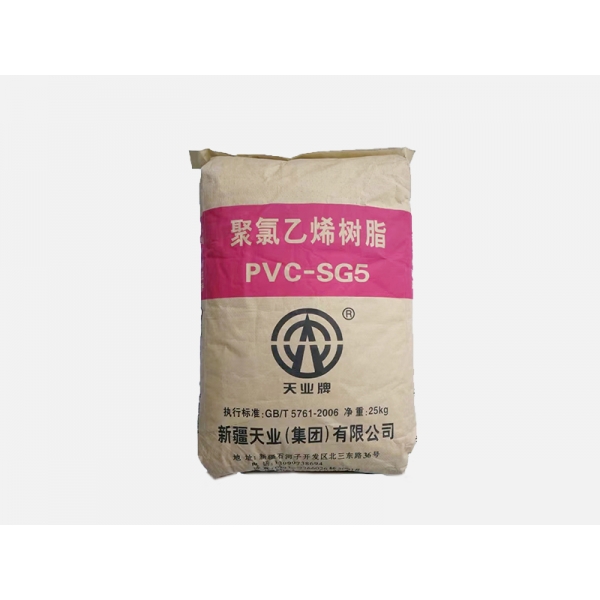
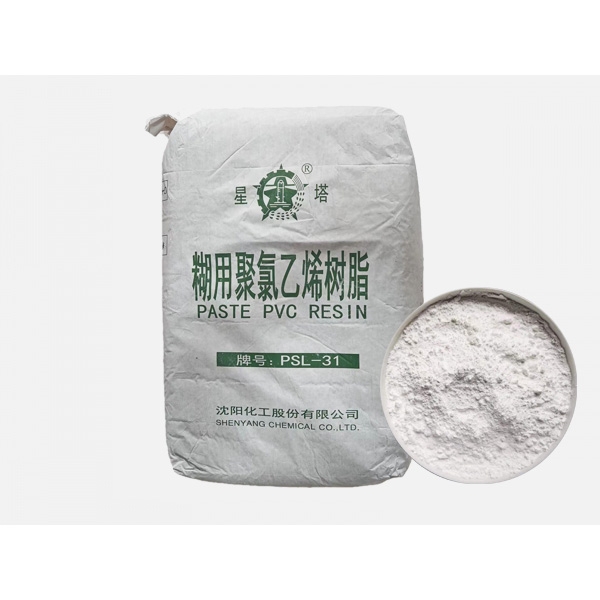
Extrusion is one of the most important manufacturing processes in the PVC industry, widely used to produce pipes, profiles, sheets, cables, films, and countless other products. However, achieving consistent PVC output is not simply about running material through a machine. Stable production requires precise control of raw materials, formulation balance, equipment settings, and processing conditions. Even small inconsistencies can lead to defects such as uneven thickness, poor surface quality, discoloration, weak mechanical properties, or unstable dimensions. Optimizing the extrusion process is therefore essential for improving product quality, reducing waste, and increasing production efficiency. The foundation of stable extrusion begins with the PVC formulation itself. A well-balanced formula ensures proper melt flow, thermal stability, lubrication, and fusion during processing. PVC resin powder selection is particularly important because different resin grades have different particle sizes, porosity, and molecular weights, all of which affect extrusion behavior. Choosing the right resin for a specific application helps maintain smooth processing and consistent output.
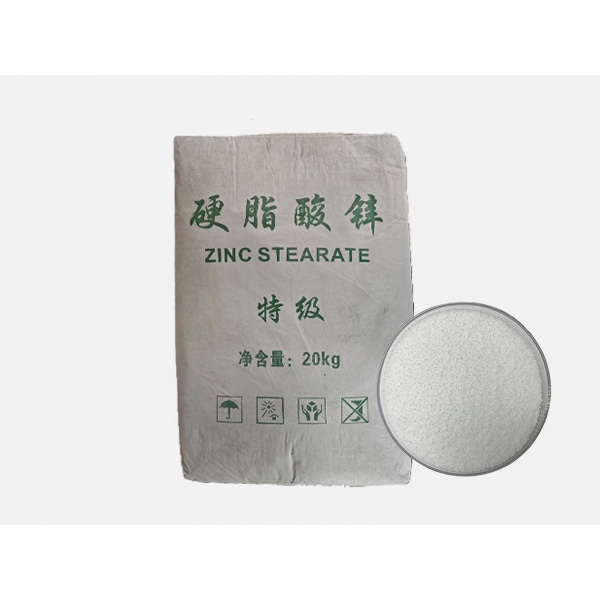
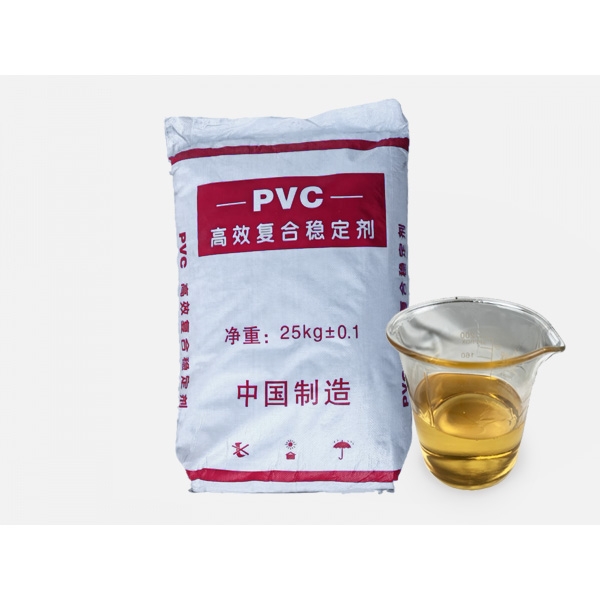
Heat stabilizers are critical in PVC extrusion because PVC is sensitive to heat. During extrusion, the material is exposed to high temperatures and mechanical shear forces that can cause degradation if not properly controlled. Thermal degradation leads to discoloration, poor mechanical strength, and unstable processing. High-quality heat stabilizers protect the PVC structure throughout the extrusion process, ensuring stable melt behavior and long-term product performance. Proper stabilizer selection also allows manufacturers to run production lines more efficiently at higher speeds without compromising quality. Lubrication is another key factor in extrusion optimization. Internal lubricants reduce friction between polymer chains, while external lubricants minimize friction between the PVC material and metal surfaces of the extruder and die. The correct balance is essential. Insufficient lubrication can cause excessive heat buildup, unstable melt flow, and rough surfaces, while excessive lubrication may prevent proper fusion and weaken product strength. Optimized lubrication improves processing stability, enhances surface finish, and extends equipment life.
Temperature control throughout the extrusion system is one of the most important aspects of achieving consistent PVC output. Each stage of the extruder—from feeding and compression to metering and die shaping—requires carefully controlled temperatures. If temperatures are too low, the material may not fuse properly, resulting in weak or rough products. If temperatures are too high, PVC degradation can occur. Maintaining stable and balanced temperature profiles ensures uniform melt quality and dimensional consistency. Screw design and extrusion speed also play a major role in process stability. Different PVC products require different screw configurations depending on material characteristics and application requirements. Proper screw geometry improves material mixing, fusion, and pressure stability, helping achieve uniform output. At the same time, extrusion speed must be optimized to balance productivity and quality. Running the line too fast can create uneven melt pressure and dimensional variation, while excessively slow speeds reduce efficiency and increase production costs.
Die design is equally important for ensuring consistent product dimensions and surface quality. The die controls the final shape of the extruded product, and uneven flow distribution can lead to defects such as warping, thickness variation, or surface marks. Optimized die design ensures balanced material flow and stable pressure across the entire product profile. Regular die maintenance and cleaning also help prevent contamination and flow disruptions. Cooling and calibration systems directly affect dimensional accuracy and final product stability. After extrusion, PVC products must cool evenly to maintain their shape and mechanical properties. Uneven cooling can create internal stress, leading to warping or cracking over time. Proper calibration systems ensure that products maintain precise dimensions throughout the cooling process. In applications such as pipes and profiles, dimensional consistency is especially critical for product performance and assembly compatibility.
Raw material consistency is another essential factor in extrusion optimization. Variations in resin quality, additive dispersion, or moisture content can cause fluctuations in processing behavior. Strict quality control of incoming materials helps maintain stable production conditions and reduces the risk of defects. Uniform mixing and blending processes also ensure that additives are evenly distributed throughout the formulation. Automation and real-time monitoring technologies are increasingly being used to improve extrusion consistency. Modern extrusion systems can monitor parameters such as melt pressure, temperature, screw torque, and output rate in real time. These systems allow operators to detect process variations quickly and make immediate adjustments, reducing downtime and improving overall production efficiency.
At Jiangsu Pangrui New Materials Co., Ltd., we support optimized PVC extrusion through high-quality PVC resin powder, heat stabilizers, lubricants, pigments, foaming agents, and technical formulation expertise. By providing customized formula ratios and production support, we help manufacturers improve process stability, reduce waste, and achieve consistent high-quality output. Our focus on material performance and technical collaboration enables customers to maximize both productivity and product reliability. As market demands continue to rise for precision, efficiency, and product consistency, optimizing extrusion processes becomes increasingly important. Through the combination of advanced formulations, precise process control, and modern production technology, manufacturers can achieve stable PVC output that meets the highest industry standards. This commitment to process optimization not only improves quality but also strengthens competitiveness in an increasingly demanding global market.