The Impact of Particle Size on PVC Resin Performance
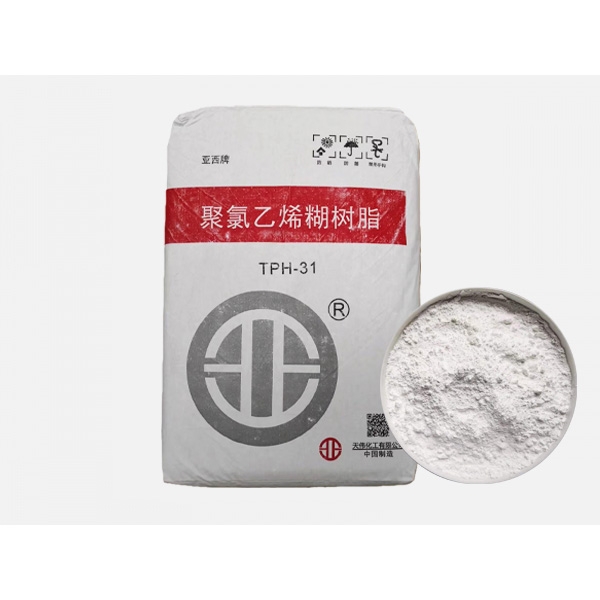
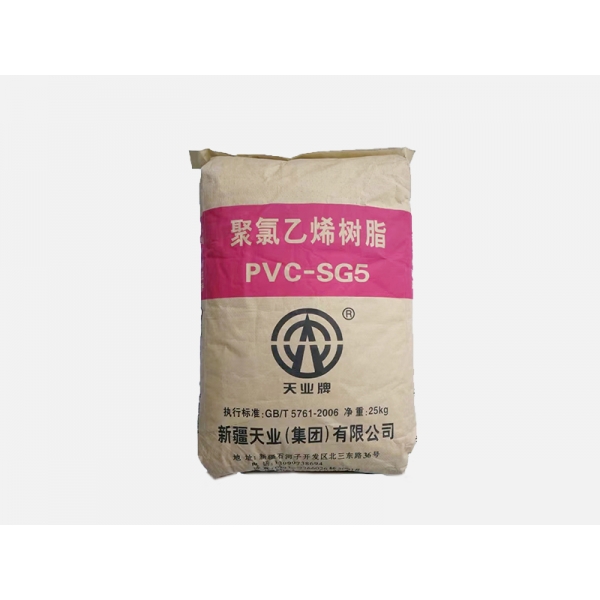
PVC resin is the foundation of countless products used in construction, healthcare, electrical systems, packaging, automotive manufacturing, and consumer goods. While factors such as additives and processing conditions are essential to overall performance, one characteristic that is often overlooked is particle size. The size and distribution of PVC resin particles have a direct impact on processing behavior, product quality, mechanical properties, and manufacturing efficiency. Understanding how particle size influences PVC performance enables manufacturers to optimize formulations and produce more consistent, high-quality products. PVC resin is produced in the form of fine powder, and the particle size determines how the material behaves during mixing, fusion, and processing. Uniform particle size distribution promotes consistent material flow and predictable melting behavior, while irregular or excessively broad distributions can create processing challenges. Manufacturers carefully select resin grades based on the intended application to ensure optimal performance throughout the production process.
One of the most important effects of particle size is on fusion performance. During extrusion, injection molding, or calendaring, PVC particles must fuse together to form a strong and uniform material. Smaller particles generally fuse more quickly because they provide a larger surface area for heat transfer. Faster fusion can improve production efficiency and reduce processing time. However, if particles are excessively fine, they may increase processing sensitivity and require more precise temperature control to prevent degradation. Larger resin particles, on the other hand, often require longer fusion times and higher processing energy. While they may offer greater processing stability in certain applications, incomplete fusion can result in poor mechanical strength, rough surface finishes, or reduced product consistency. Achieving the correct balance between particle size and processing conditions is essential for producing durable, high-quality PVC products.
Particle size also influences the flow characteristics of PVC resin during manufacturing. Well-controlled particle distribution allows the resin to move smoothly through mixers, extruders, and molds. Stable flow improves production consistency and minimizes defects such as voids, uneven thickness, and surface imperfections. In high-speed manufacturing environments, consistent flow behavior contributes to greater productivity and reduced material waste. The absorption of additives is another area where particle size plays a significant role. PVC formulations often include heat stabilizers, plasticizers, lubricants, pigments, impact modifiers, and processing aids. Smaller resin particles generally provide more surface area for additive absorption, allowing these materials to disperse more evenly throughout the compound. Uniform additive distribution improves thermal stability, color consistency, mechanical performance, and processing reliability.
Surface quality is closely related to resin particle characteristics. Products manufactured with appropriately sized and uniformly distributed particles tend to exhibit smoother surfaces, improved gloss, and fewer visible defects. This is especially important for decorative panels, packaging materials, window profiles, and consumer products where appearance directly affects product value. Consistent particle size helps manufacturers achieve superior visual quality while reducing rejection rates. Mechanical performance is also affected by particle size. Proper fusion resulting from optimized particle distribution contributes to higher tensile strength, impact resistance, and dimensional stability. Poorly fused materials may develop weak points that increase the likelihood of cracking or failure during use. By selecting the appropriate resin grade and maintaining controlled processing conditions, manufacturers can maximize the durability and reliability of finished PVC products.
Different PVC applications require different particle size characteristics. Flexible PVC products, such as films, cable insulation, and medical tubing, may benefit from resin grades that offer rapid fusion and excellent additive absorption. Rigid PVC applications, including pipes, profiles, and structural components, often require resin grades that provide controlled fusion and stable processing. Matching resin particle size to the specific manufacturing process helps optimize both production efficiency and final product performance. Quality control is essential to maintaining consistent particle size and distribution. Modern resin manufacturing uses advanced production technologies and strict testing procedures to ensure uniform particle characteristics from batch to batch. Parameters such as particle size distribution, bulk density, porosity, and moisture content are carefully monitored to support stable processing and predictable product quality. Consistent raw materials reduce production variability and improve customer confidence.
At Jiangsu Pangrui New Materials Co., Ltd., we understand that high-quality PVC products begin with high-quality raw materials. We provide premium PVC resin powder along with heat stabilizers, plasticizers, pigments, lubricants, and other specialized additives to help customers achieve consistent processing and superior product performance. Our technical support and formulation expertise assist manufacturers in selecting the most appropriate resin grades for their specific production requirements. As manufacturing technologies continue to advance, greater attention is being given to the characteristics of raw materials that influence product quality and efficiency. Particle size may appear to be a small detail, but its impact on PVC processing and performance is significant. Through careful resin selection, optimized formulations, and precise process control, manufacturers can improve production efficiency, enhance product quality, and create PVC solutions that meet the increasingly demanding requirements of global industries.