PVC vs. Traditional Materials: Why PVC is the Preferred Choice
PVC has become one of the most widely used materials in modern manufacturing, construction, and industrial applications—and for good reason. As industries evolve and demand grows for materials that are more durable, cost-effective, and environmentally responsible, PVC (Polyvinyl Chloride) is increasingly replacing many traditional materials such as wood, metal, and rubber. Its unique combination of performance, versatility, and sustainability has made it the preferred choice across multiple sectors. Understanding why PVC stands out helps industries make smarter decisions for long-term efficiency and innovation. One of the biggest advantages PVC has over traditional materials is its exceptional durability. While wood is susceptible to rot, termites, moisture damage, and warping, and metal is prone to corrosion and rust, PVC resists all these challenges. It is not affected by humidity, chemicals, or environmental fluctuations, making it ideal for outdoor and harsh-environment applications. Its long service life means fewer replacements, reduced maintenance costs, and more stable performance over time. Whether used in construction profiles, water pipes, cable insulation, or automotive components, PVC consistently delivers durability that traditional materials struggle to match.
Another important factor driving PVC's popularity is its lightweight nature. Compared to metals like steel or aluminum, PVC is significantly lighter while still offering high strength and stability. This not only makes it easier to transport and install but also reduces overall energy consumption in logistics. In construction, lightweight materials contribute to faster project completion and lower labor costs. In automotive applications, weight reduction directly leads to better fuel efficiency and reduced emissions. PVC’s balance of strength and lightness gives it a clear advantage over heavier traditional materials. PVC is also highly versatile, thanks to its ability to be customized through formulation. By using additives such as heat stabilizers, plasticizers, pigments, and foaming agents, PVC can be engineered to meet specific performance requirements. This level of customization is something traditional materials cannot easily achieve. Need flame retardance? Need extra flexibility? Need weather resistance or high insulation capability? PVC can be formulated to achieve all these features. This adaptability makes it useful in countless applications—from medical tubing and electrical cables to flooring, windows, and industrial components.
Cost-effectiveness is another major reason industries prefer PVC. Traditional materials like metal and wood often require higher processing costs, more frequent maintenance, and expensive protective treatments. In contrast, PVC provides long-term reliability at a lower cost, offering better value throughout the product lifecycle. Its resistance to wear and environmental degradation means fewer repairs and replacements, leading to significant savings for manufacturers and end-users alike. PVC products also require less energy to produce, contributing to lower overall operational costs. PVC’s chemical resistance is another major benefit, especially in industries such as chemical processing, agriculture, water treatment, and industrial manufacturing. Unlike metals that corrode or wood that absorbs chemicals, PVC maintains its integrity when exposed to acids, alkalis, oils, and many industrial substances. This resistance makes PVC the material of choice for pipes, tanks, connectors, and protective coatings. Traditional materials simply cannot compete with PVC’s stability and reliability in chemically demanding environments.
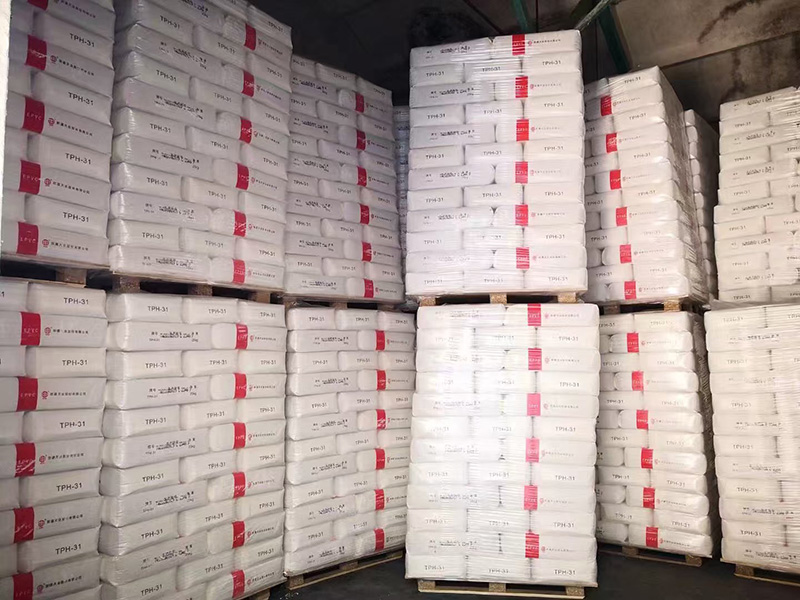
In addition to performance benefits, PVC supports sustainability efforts more effectively than many traditional materials. Modern PVC formulations are designed for recyclability, allowing old PVC products to be transformed into new construction profiles, pipes, flooring materials, and more. Its long lifespan reduces waste, while its lightweight properties lower emissions during transportation. PVC-based building materials improve thermal insulation, reducing energy use in homes and commercial buildings. Compared to energy-intensive metals or wood sourced from forests, PVC provides a more environmentally responsible alternative when used responsibly and recycled properly. PVC also contributes to safer and healthier environments. High-quality PVC products can be manufactured with low VOC emissions, making them suitable for indoor applications where air quality is important. They resist mold, moisture, and bacteria, unlike wood or fabric materials. In hospitals, schools, and residential buildings, PVC is widely used for flooring, wall cladding, and piping systems due to its hygienic and easy-to-clean nature.
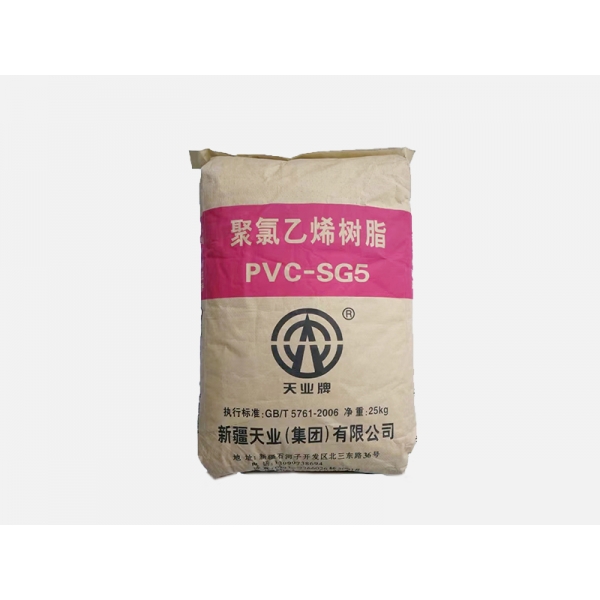
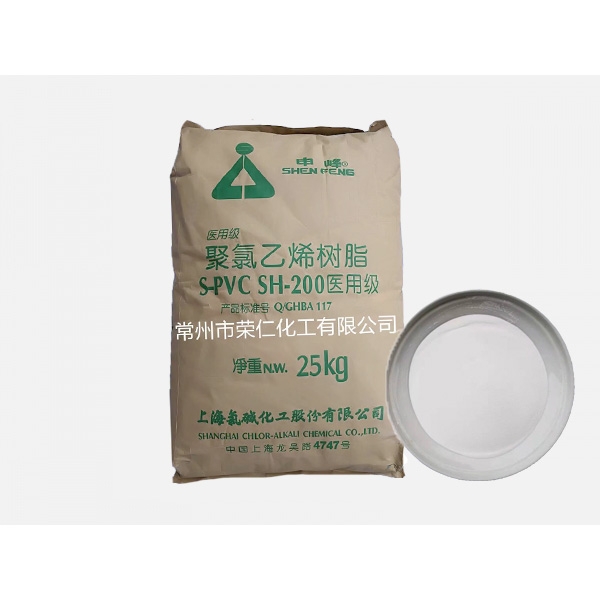
Another significant advantage PVC holds over traditional materials is its compatibility with modern manufacturing technology. Processes such as extrusion, injection molding, and thermoforming allow PVC to be produced efficiently in large volumes while maintaining consistent quality. This is crucial in industries that demand precision and scalability. While materials like wood require extensive manual processing and metals demand high-energy operations, PVC offers a more efficient production path with less environmental strain. Jiangsu Pangrui New Materials Co., Ltd. plays an important role in driving this transformation by supplying high-quality PVC resin powder, heat stabilizers, plasticizers, organic and inorganic pigments, foaming agents, and technical support for PVC formulations. With advanced material knowledge and customized solutions, the company helps manufacturers achieve better performance and reliability in their end products. Through research-driven development and strong customer partnerships, Jiangsu Pangrui ensures that its PVC materials consistently outperform traditional alternatives.
In today’s fast-paced industrial environment, choosing the right material can determine the success of a product, a project, or even an entire business. PVC stands out as the preferred choice because it combines durability, versatility, cost-efficiency, and sustainability in a way traditional materials cannot match. As industries continue to innovate and pursue greener solutions, the importance of PVC will only continue to grow. With its ability to adapt to changing needs and its unmatched performance across applications, PVC truly represents the future of modern materials.