PVC and the Environment: Exploring Eco-Friendly Alternatives and Solutions
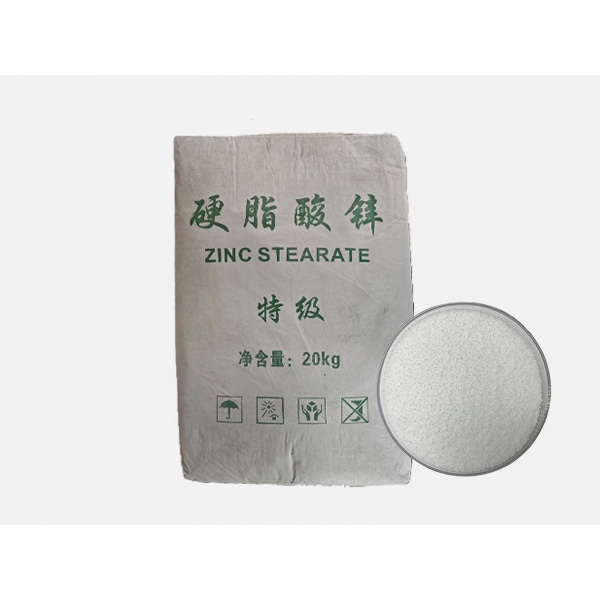
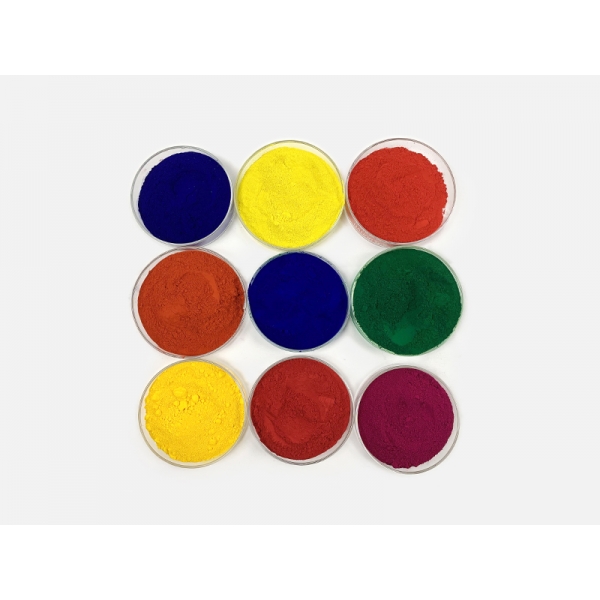
PVC is one of the most widely used plastics in the world, forming the backbone of industries ranging from construction and automotive to packaging, healthcare, electronics, and consumer goods. Its popularity is driven by versatility, cost-efficiency, and durability. Yet as the demand for environmentally responsible materials grows, PVC has come under sharper public and industry scrutiny. Concerns surrounding recycling, additives, and carbon emissions have created a strong push for cleaner production, greener ingredients, and smarter end-of-life solutions. Rather than abandoning PVC altogether, innovators are transforming the way it is produced and used—making it more sustainable than ever before. The environmental debate around PVC begins with raw materials and additives. Traditional production processes rely partly on fossil-based inputs and stabilizers that may contain heavy metals. While these concerns are valid, the industry has undergone a dramatic transformation. Today, many PVC producers—including Jiangsu Pangrui New Materials—are adopting safer, cleaner stabilizers and additives. Lead-based compounds have been replaced by calcium-zinc and organic stabilizers that deliver equal or superior performance with far lower environmental impact. Likewise, alternative plasticizers, pigments, and lubricants are being developed to meet global regulatory standards and reduce ecological risk. These innovations show that PVC sustainability begins at the molecular level.
Another issue often raised with PVC is recyclability, but modern material science is rapidly rewriting the narrative. PVC is, in fact, one of the most recyclable plastics because its polymer structure allows it to be processed multiple times without significant performance loss. Mechanically recycled PVC can be reused in flooring, pipes, cable insulation, foam boards, and injection-molded parts. Advances in chemical recycling are also expanding possibilities, breaking PVC down into monomers that can be used to produce virgin-quality material. This means a future where PVC waste becomes a valuable resource rather than a landfill burden. To unlock this potential, companies are working closely with customers to encourage collection, sorting, and reuse programs that keep material circulating within the economy. Energy consumption and emissions are another important dimension of PVC sustainability. Compared to many other materials—including metals, ceramics, and some engineering polymers—PVC typically requires less energy to produce. Its long lifespan and weather resistance add further environmental benefits: products last longer and need to be replaced less often, reducing both resource extraction and disposal volumes. Nevertheless, manufacturers continue to modernize production processes to reduce energy use, improve plant efficiency, and lower carbon footprints. Cleaner fuel sources, automation, and heat recovery systems are enabling PVC factories to do more with less, moving toward low-emission manufacturing without compromising product quality.
One of the biggest opportunities for PVC sustainability lies not only in material improvements but in how PVC is used. When engineered responsibly, PVC supports major environmental goals by extending service life and reducing material demand. PVC piping systems prevent leaks and water loss in cities and farms. PVC insulation and window frames improve building energy efficiency. Lightweight PVC components reduce transportation emissions in vehicles. In each of these cases, PVC replaces heavier, high-impact materials like metal or hardwood while delivering superior performance and lower environmental strain. In other words, PVC can help solve environmental challenges when applied thoughtfully. At the same time, the rise of conductive and specialty PVC compounds is helping industries shift toward more efficient and smarter systems. Conductive PVC, supported by additives such as ultra-nano conductive carbon black, is used in electric vehicles, renewable energy equipment, and electronics—all sectors critical to the clean-energy transition. By focusing on stable, high-performance formulations, Jiangsu Pangrui enables its customers to create products that not only perform well but actively contribute to broader sustainability goals. This illustrates how innovation in PVC chemistry supports innovation in sustainability.
However, developing eco-friendly PVC solutions is not a task completed once—it is an ongoing journey. Global regulations are becoming stricter, pushing companies to improve transparency and material compliance. Sustainability certifications and environmental product declarations are gaining importance in markets around the world. To stay ahead, manufacturers must invest in research, continuous testing, and long-term collaborations with customers, universities, and supply chain partners. This is where material science meets environmental responsibility, ensuring PVC remains relevant and future-ready. Consumer expectations are also reshaping attitudes toward PVC. End users increasingly demand recyclable, non-toxic, and low-impact products. This shift is filtering through manufacturers, distributors, and brand owners, ultimately creating stronger incentives for innovation. Companies that embrace sustainable PVC—rather than resisting change—stand to lead the next generation of material manufacturing. Jiangsu Pangrui New Materials recognizes this shift and actively works to develop formulas that minimize environmental impact while maintaining functional performance.
Looking forward, PVC and sustainability are not competing forces—they are linked challenges evolving together. With modern additive systems, increased recyclability, cleaner production processes, and innovative specialty solutions, PVC is becoming a more environmentally responsible material every year. The path ahead involves stronger collaboration, smarter chemistry, and a commitment to circular resource thinking. By aligning environmental priorities with industrial growth, the PVC industry can continue to provide essential materials while supporting a more sustainable future.