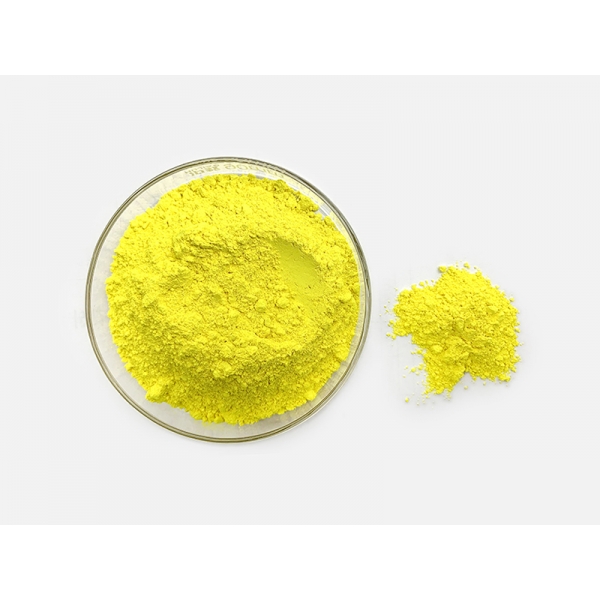
Anti-Static PVC Solutions for Sensitive Electronic Applications
In today’s electronics industry, precision and reliability are everything. From semiconductor manufacturing to printed circuit board assembly, even a small electrostatic discharge (ESD) can damage sensitive components, reduce product lifespan, or cause complete system failure. As devices become smaller, faster, and more complex, protecting them from static electricity is more critical than ever. Anti-static PVC solutions have emerged as a reliable and cost-effective way to safeguard electronic components during production, transportation, and operation. Static electricity is generated when two surfaces come into contact and then separate, creating an imbalance of electrical charges. In environments where microchips, integrated circuits, and delicate electronic assemblies are present, this static buildup can result in sudden discharge. While the spark may be invisible to the human eye, it can permanently damage sensitive circuits. Traditional insulating plastics can actually worsen the problem by allowing charge accumulation. Anti-static PVC, however, is specially engineered to dissipate or control static charges, significantly reducing ESD risks.
The key to anti-static PVC performance lies in its formulation. By incorporating conductive or dissipative additives such as conductive carbon black or ultra-nano conductive carbon black, standard PVC can be transformed into a material with controlled surface resistivity. The level of conductivity can be precisely adjusted depending on application needs—ranging from static-dissipative materials to semi-conductive solutions. This flexibility allows manufacturers to design products that meet strict electronic industry standards without compromising mechanical strength or processing efficiency. Anti-static PVC is widely used in electronic packaging and storage applications. Trays, component carriers, protective covers, and storage bins made from anti-static PVC help prevent charge accumulation during handling and transportation. In assembly lines, anti-static PVC sheets and mats protect workstations where sensitive components are exposed. Cable insulation produced with anti-static PVC ensures safe signal transmission while minimizing interference and charge buildup. These applications create safer production environments and reduce costly product defects.
In clean-room environments, where dust and contamination must be minimized, anti-static PVC offers additional advantages. Static electricity attracts dust particles, which can contaminate sensitive electronic components. By dissipating static charges, anti-static PVC helps reduce particle attraction, contributing to cleaner and more controlled production spaces. This is particularly important in semiconductor fabrication, precision electronics assembly, and high-end consumer electronics manufacturing. Another growing application area is in the production of smart devices, electric vehicles, and renewable energy systems. As these industries rely heavily on complex electronic modules, the need for reliable ESD protection increases. Anti-static PVC is used in protective housings, wire insulation, battery components, and sensor coverings. Its lightweight nature, chemical resistance, and adaptability make it a practical alternative to heavier conductive materials such as metals.
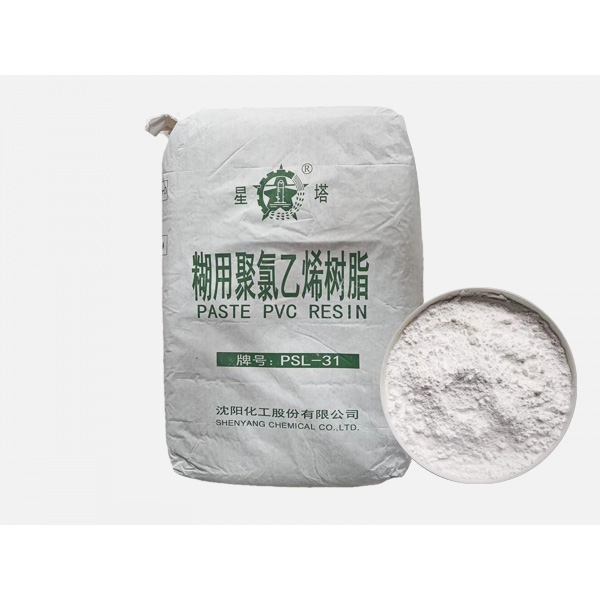
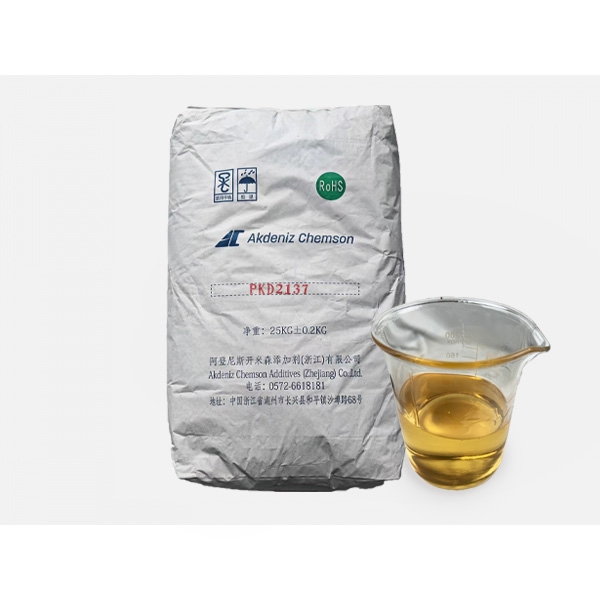
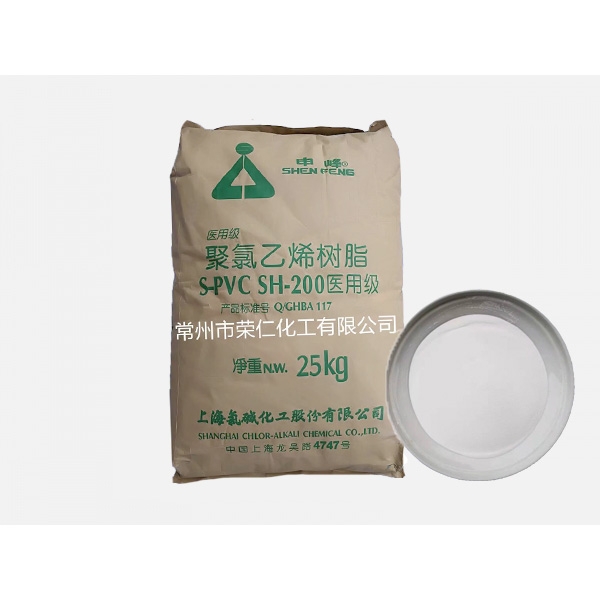
Customization plays a crucial role in achieving optimal anti-static performance. Different environments require different resistivity levels, mechanical properties, and environmental resistance. Through precise formula optimization, the conductivity of PVC can be adjusted while maintaining flexibility, durability, and processing stability. Additives must be evenly dispersed to ensure consistent performance throughout the material. Achieving this balance requires technical expertise, careful quality control, and thorough testing. At Jiangsu Pangrui New Materials Co., Ltd., we specialize in developing tailored anti-static PVC and conductive plastic solutions to meet diverse electronic industry needs. By supplying high-quality PVC resin powder, conductive carbon black, ultra-nano conductive additives, and optimized formulation ratios, we support manufacturers in producing reliable anti-static materials. Our technical support and sample testing services help customers integrate these solutions seamlessly into their production processes, minimizing risks and improving efficiency.
Quality control is essential in anti-static material production. Surface resistivity, mechanical strength, thermal stability, and long-term performance must all be verified to ensure consistent results. Stable dispersion of conductive fillers and precise processing parameters are critical factors in achieving uniform conductivity. Through strict quality monitoring at every stage, anti-static PVC solutions can deliver dependable protection in even the most demanding electronic environments. As electronic devices continue to evolve toward greater miniaturization and higher performance, the importance of effective ESD protection will only increase. Anti-static PVC solutions provide a smart, adaptable, and cost-efficient way to protect sensitive components while supporting modern manufacturing standards. By combining material science innovation with practical industrial experience, companies can create safer electronic systems and reduce costly production failures.
In a world increasingly driven by technology, protecting the smallest components can make the biggest difference. Anti-static PVC stands as a crucial material in ensuring that sensitive electronics operate reliably, efficiently, and safely in every stage of their lifecycle.