How PVC Is Revolutionizing Industries from Healthcare to Consumer Goods
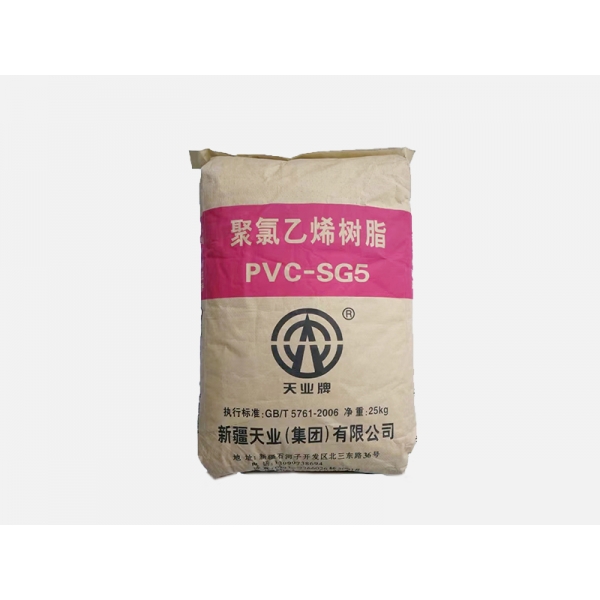
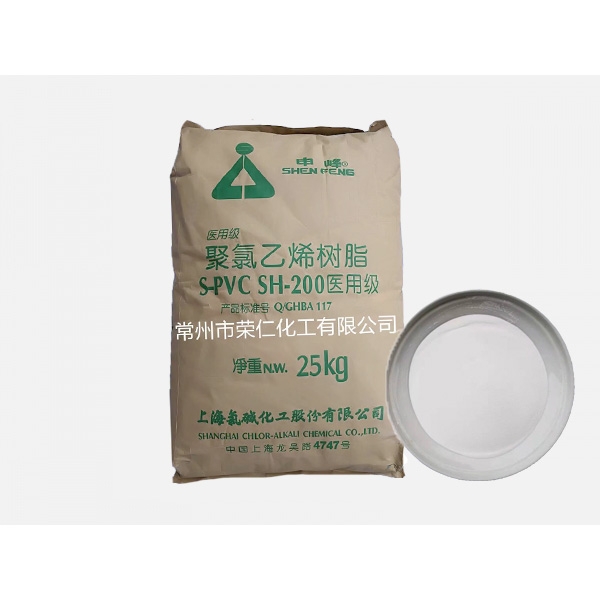
PVC has evolved into one of the most transformative materials in modern industry, moving far beyond its traditional uses and becoming a key driver of innovation across sectors. From life-saving medical equipment to everyday consumer products, PVC’s versatility, durability, and cost-efficiency are reshaping how industries design, manufacture, and deliver their products. Its adaptability through advanced formulations allows it to meet diverse performance demands, making it an essential material in both high-tech and daily-life applications. In the healthcare sector, PVC plays a critical role in improving safety, hygiene, and reliability. Medical-grade PVC is widely used to manufacture blood bags, IV tubing, oxygen masks, surgical gloves, and a variety of flexible medical devices. Its clarity allows healthcare professionals to monitor fluids easily, while its flexibility ensures patient comfort and ease of use. PVC is also resistant to chemicals and sterilization processes, making it suitable for environments where strict hygiene standards are mandatory. The ability to customize PVC formulations with specialized plasticizers and stabilizers ensures compliance with medical regulations while maintaining performance and safety.
Beyond medical devices, PVC is helping hospitals and clinics maintain clean and durable facilities. PVC flooring, wall panels, and protective coverings are commonly used in healthcare environments because they are easy to clean, resistant to moisture, and able to withstand heavy traffic and frequent disinfection. These properties reduce maintenance costs while supporting infection control measures—an increasingly important factor in modern healthcare infrastructure. In construction and infrastructure, PVC has become a backbone material due to its long service life and resistance to environmental stress. Pipes, window frames, cable insulation, roofing membranes, and wall coverings made from PVC offer excellent durability, corrosion resistance, and thermal performance. These characteristics reduce maintenance and energy consumption in buildings, contributing to more sustainable construction practices. Compared to traditional materials such as metal or wood, PVC provides a lightweight, cost-effective alternative without sacrificing strength or reliability.
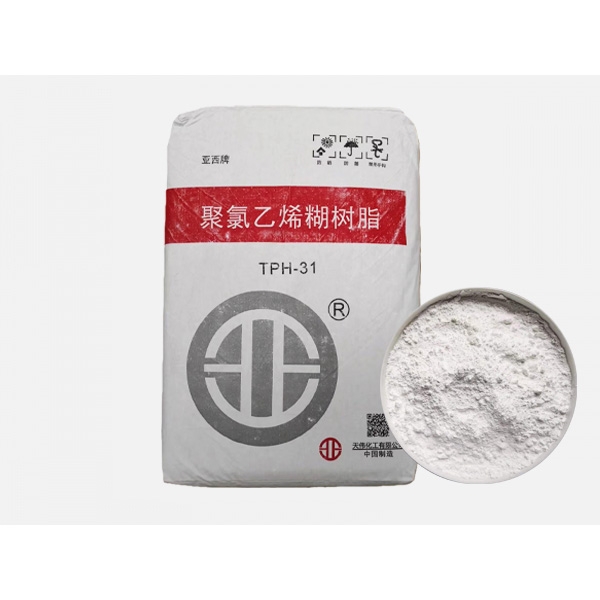
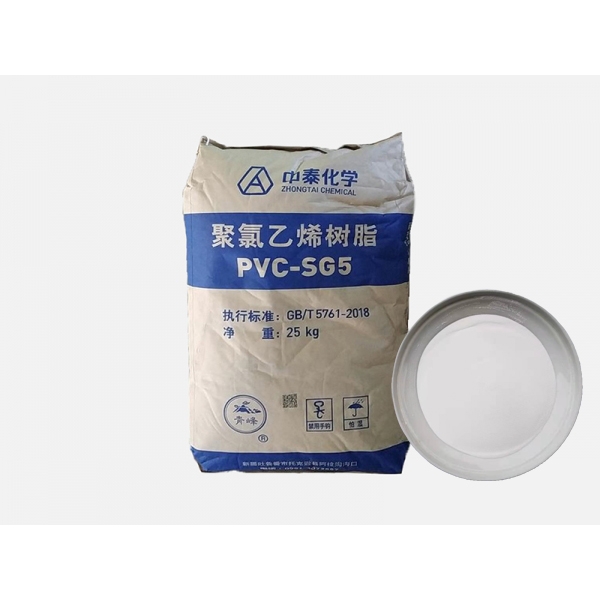
The automotive industry also benefits significantly from PVC’s performance advantages. PVC is used in interior trims, dashboards, door panels, seat coverings, wire insulation, and underbody coatings. Its lightweight nature helps reduce vehicle weight, improving fuel efficiency and lowering emissions. Additionally, PVC’s resistance to wear, moisture, and chemicals makes it ideal for components exposed to harsh conditions. As electric vehicles become more common, PVC’s role in cable insulation and protective coverings continues to expand, supporting the growth of advanced transportation technologies. In electronics and electrical industries, PVC ensures safety and performance in countless applications. It is widely used as insulation for wires and cables due to its excellent dielectric properties and flame resistance. With the addition of conductive fillers such as conductive carbon black, PVC can also be transformed into antistatic or conductive materials, supporting sensitive electronic components and industrial equipment. This flexibility allows manufacturers to create products that meet precise technical requirements while maintaining cost efficiency.
Consumer goods represent another area where PVC has made a significant impact. From footwear, bags, and toys to packaging materials and household items, PVC provides durability, design flexibility, and affordability. Its ability to be molded into complex shapes, colored with vibrant pigments, and enhanced with surface textures allows brands to create visually appealing and functional products. At the same time, PVC’s resistance to water and chemicals ensures long-lasting performance in everyday use. PVC’s role in sustainability further strengthens its position across industries. Its long lifespan reduces the need for frequent replacement, while its recyclability supports circular economy initiatives. Lightweight PVC products lower transportation energy use, and energy-efficient PVC building materials help reduce heating and cooling demands. With ongoing improvements in stabilizers and plasticizers, modern PVC formulations are becoming safer and more environmentally responsible than ever before.
At Jiangsu Pangrui New Materials Co., Ltd., innovation in PVC and conductive plastics supports this industrial transformation. By providing high-quality PVC resin powder, heat stabilizers, plasticizers, pigments, foaming agents, and conductive additives, the company enables manufacturers to develop advanced products tailored to their needs. Technical support and optimized formula ratios ensure that customers achieve both performance and production efficiency. From hospitals to homes, from vehicles to electronic devices, PVC continues to revolutionize industries by offering a balance of performance, adaptability, and cost-effectiveness. Its ability to evolve with technological and environmental demands ensures that PVC will remain a vital material in shaping modern life, supporting innovation across sectors while delivering practical solutions for everyday challenges.